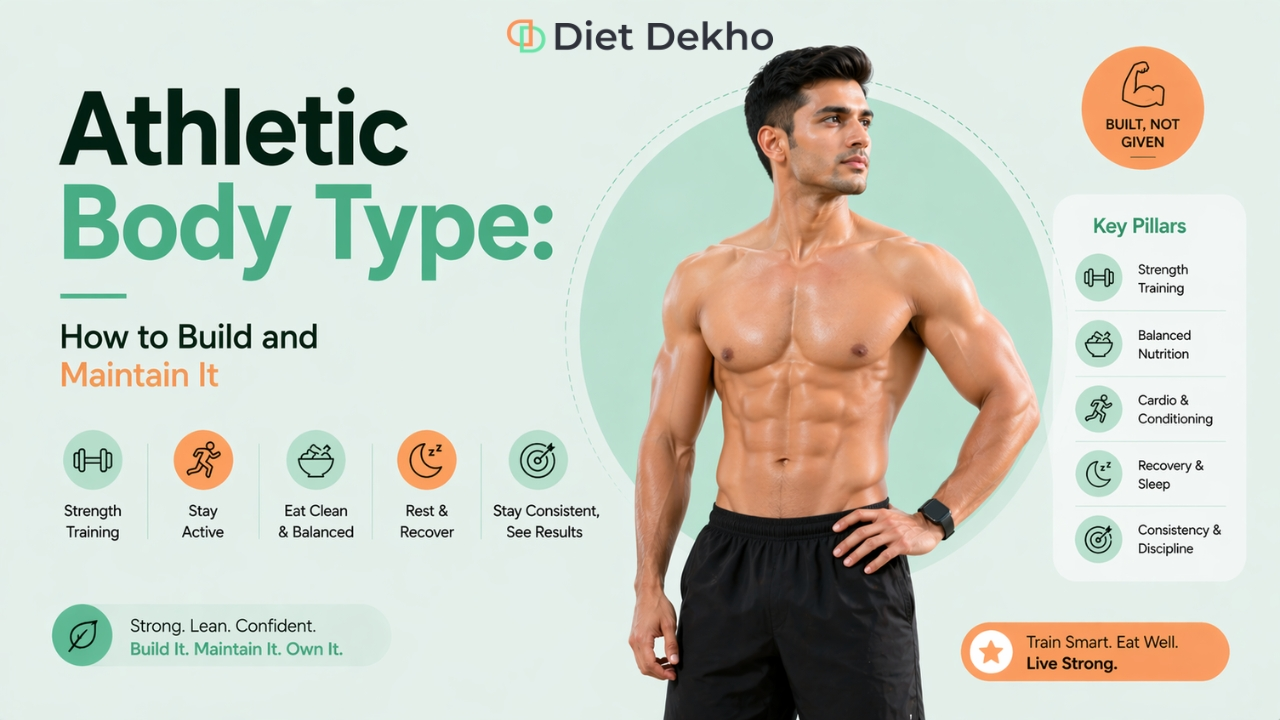
Imagine you are standing in your kitchen, feeling that familiar mid-afternoon slump while the pressure cooker whistles in the background. You might wonder if feeling this tired is just a part of aging or if your body could actually feel strong and capable again. Sunita, a busy homemaker I recently spoke with, asked me if it was possible to develop a body athletic enough to handle her daily chaos without feeling drained. I told her that building this physique is not about spending hours at a gym but about making your muscles work for your health.
An athletic body type is defined by functional lean muscle, low visceral fat, and efficient glucose metabolism. You build it by combining resistance training using body weight or household items with a high-protein Indian diet including soya, paneer, and eggs. This metabolic shift improves insulin sensitivity, effectively turning your muscles into a natural glucose sink that manages blood sugar levels throughout the day.
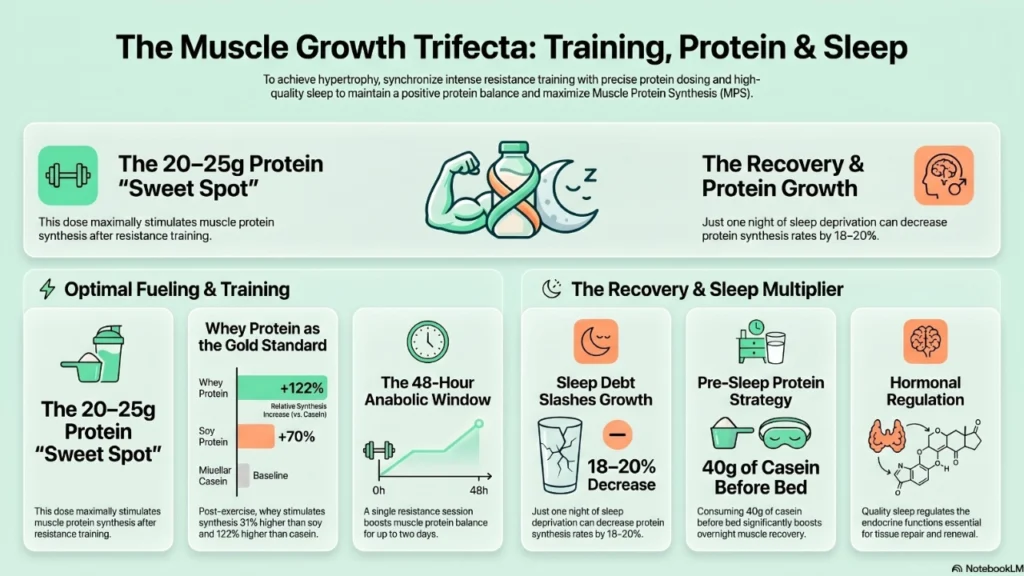
Defining the Athletic Physique within the Indian Demographic
Table of Contents
- 1 Defining the Athletic Physique within the Indian Demographic
- 2 The Metabolic Miracle: Why Muscle is Your Best Friend
- 3 The Nutritional Blueprint for an Indian Athletic Body
- 4 Overcoming the Thin-Fat Phenotype and Sarcopenia
- 5 15-Minute Home Routine for the Busy Indian Lifestyle
- 6 Diabetes Safety and Exercise Monitoring
- 7 7-Day Indian Meal Plan for Lean Muscle
- 8 Overcoming Mental and Cultural Barriers
- 9 Conclusion: Your Journey Starts Today
- 10 Frequently Asked Questions
- 11 Contact Us
- 12 Disclaimer
When we talk about an athletic build, we are looking at a frame that prioritizes strength and agility over mere thinness. In the world of body types, many experts point to the mesomorph as the classic athletic profile, characterized by a naturally muscular frame and a fast metabolism. However, I know it is hard to see yourself in those definitions when you are juggling a career or a household. Most of us are actually a blend of different types, and your current shape is simply a reflection of your lifestyle and choices up to this point.
What this means for your daily routine is that your body is adaptable. A person who primarily does yoga will develop different muscle structures than someone who starts lifting heavy grocery bags or doing focused bodyweight squats. In India, we often see a specific challenge called the thin-fat phenotype. This happens when someone looks slim on the outside but carries hidden fat around their organs and has very little muscle mass. This hidden fat increases the risk of diabetes even if your weight seems normal on the scale.
Developing a body athletic is the best defense against this metabolic risk. It is about building shoulders that are slightly wider than the hips and maintaining muscle tone that is visible even when you are not working out. For the non-gym audience, this does not mean looking like a bodybuilder. It means having the functional fitness to climb three flights of stairs without gasping for breath or carrying a sleeping child without straining your back.
The Components of True Athleticism
To truly understand how to build this physique, we have to look beyond the mirror. True athleticism is made up of several key pillars that work together to keep you healthy and mobile as you age. These include strength, speed, power, and agility, but also things like balance, coordination, and mental resilience. I like to think of these as the layers of a pyramid where the foundation is your stability and mobility.
| Component of Athleticism | Functional Definition | Why It Matters for You |
| Strength | Ability to create force | Helps with lifting heavy objects at home |
| Mobility | Range of motion in joints | Prevents injuries during daily chores |
| Stability | Protecting vulnerable areas | Keeps your back safe while sitting or standing |
| Balance | Coordination and precision | Prevents falls as we get older |
| Aerobic Capacity | Oxygen consumption efficiency | Improves your stamina for long workdays |
The Metabolic Miracle: Why Muscle is Your Best Friend
If you are struggling with high blood sugar or a prediabetes diagnosis, I want you to view muscle mass as your most powerful internal medicine. Your muscles are the largest reservoir for glucose in your entire body. They act like a sponge that soaks up sugar from your blood to use as fuel. When you have more lean muscle, your body becomes much better at managing the carbohydrates you eat.
The science behind this is fascinating but simple. When you perform resistance training, your muscles contract and create an immediate demand for energy. This contraction signals your cells to open up special channels called GLUT-4 transporters. These channels allow glucose to enter the muscle cells even without the help of insulin. This is a massive advantage for anyone with insulin resistance because it provides a backup way to clear sugar from the bloodstream.
Furthermore, your muscles release special signaling molecules called myokines during exercise. These myokines travel through your body to reduce inflammation and even protect your brain from aging. This is why strength training is often more effective for long-term health than just walking. While walking is a great start, it does not provide the same metabolic push as building muscle mass.

Understanding the Glucose Sink Effect
Think of your bloodstream like a busy highway and glucose as the cars. If the exits are blocked, you get a traffic jam, which we call high blood sugar. Muscle mass creates more exits and bigger parking lots for those cars. This is why doctors now recommend that people with diabetes include at least two to three sessions of strength training every week.
| Exercise Type | Primary Mechanism | Metabolic Outcome |
| Brisk Walking | Burns glucose during activity | Short-term sugar reduction |
| Resistance Training | Builds new muscle tissue | Permanent increase in glucose storage |
| HIIT (High Intensity) | Improves mitochondrial density | Better fuel use at the cellular level |
| Yoga/Stretching | Improves insulin sensitivity | Better response to the insulin you make |
The Nutritional Blueprint for an Indian Athletic Body
I know it is hard to find time to cook elaborate meals, so let’s simplify your nutrition. The biggest mistake I see in Indian diets is an over-reliance on cereals and a severe lack of protein. Research shows that 73 percent of Indians are protein deficient, often because our meals are 60 percent carbohydrates like rice and roti. To build a body athletic, we need to flip that ratio.
Protein is the building block of your muscles. If you do not eat enough of it, your body will actually break down its own muscle tissue to get the amino acids it needs for other functions. For most adults, aiming for 1.2 to 1.5 grams of protein per kilogram of body weight is a great target. If you are a 60kg woman, that means roughly 72 to 90 grams of protein a day.
I recommend spreading this protein across your meals. Your body can only process about 30 to 40 grams of protein at one time, so loading it all into dinner will not help your muscles grow as effectively as having some at breakfast, lunch, and snack time. For my vegetarian friends, I know you worry about options. Soya chunks are a powerhouse, containing 52 grams of protein per 100 grams, which is even higher than chicken.

Top Indian Protein Sources for Muscle Gain
Let’s look at what you can find in your local market or kitchen. You do not need expensive supplements to see results. Simple, whole foods are often better because they come with fiber and minerals that support your metabolism.
| Food Item | Serving Size | Protein Content | Best Way to Eat It |
| Soya Chunks | 100g (dry) | 52g | Soya pulao or curry |
| Paneer | 100g | 18-20g | Grilled or as paneer bhurji |
| Chicken Breast | 100g | 30-31g | Grilled with light spices |
| Moong Dal | 1 cup (cooked) | 14g | As a thick dal or chilla |
| Eggs | 2 large | 12g | Boiled or as an omelet |
| Roasted Chana | 1/2 cup | 7-10g | Mid-morning snack |
| Curd/Yogurt | 100g | 10g | Side dish with lunch |
Overcoming the Thin-Fat Phenotype and Sarcopenia
One of the most concerning health trends in India is the early onset of sarcopenia, which is the medical term for muscle loss. Many Indians begin losing muscle as early as age 30. This loss of muscle makes it much easier to gain weight and harder to control blood sugar. Because we often have smaller bone structures, losing muscle hits us even harder than it might hit someone from a Western country.
I want to be very clear about one thing: household chores are not the same as structured exercise. I hear this from homemakers all the time. They say they are active all day, so they do not need to work out. While cleaning and cooking are better than sitting, they do not provide the progressive resistance your muscles need to get stronger. To build a body athletic, you need to deliberately challenge your muscles so they are forced to adapt and grow.
This is especially important as we age. Between the ages of 35 and 70, a staggering 28 percent of Indians suffer from significant muscle loss. This weakness leads to joint pain, falls, and a metabolic disaster where your body can no longer handle the sugar in your diet. The good news is that muscles are very responsive. Even if you haven’t exercised in years, your body will adapt and get stronger if you give it the right stimulus.
Why Strength Training Beats Walking for Diabetes
A Harvard study found that women who performed at least 150 minutes of muscle-strengthening work per week had a 40 percent lower risk of type 2 diabetes. If they added aerobic exercise like walking, that risk dropped by 70 percent. Walking helps you burn calories while you are moving, but strength training builds the engine that burns calories even while you are sleeping.
15-Minute Home Routine for the Busy Indian Lifestyle
I know your schedule is packed, but I also know you can find 15 minutes. You do not need a gym membership or fancy machines. Your own body weight and a few items from your pantry are all the equipment you need to start building a body athletic today. This circuit is designed to work your whole body and can be done right in your living room.
The No-Equipment Muscle Builder
Perform each exercise for 45 seconds, then rest for 15 seconds. Repeat the whole circuit twice.
- Wall Push-Ups: Stand facing a wall and place your hands flat against it. Lean in and push back out. This is great for your chest and arms and is very safe for beginners.
- Chair Squats: Stand in front of a sturdy chair. Sit down slowly until your bottom just touches the seat, then stand back up. This builds your leg muscles, which are your biggest glucose sinks.
- Modified Plank: Hold yourself up on your forearms and knees. Keep your back flat. This strengthens your core and protects your spine.
- Calf Raises: Stand behind a chair for balance. Lift your heels off the floor and slowly lower them. Gastroenterologists often recommend this simple move because your calf muscles are excellent at clearing blood sugar.
- Superman: Lie on your stomach and lift your arms and legs slightly off the floor. This strengthens your back and improves your posture.
Indian Household Workout Hacks
If you want to add some resistance without buying weights, look around your house. I love these creative solutions for my clients who want to stay home.
- The Backpack Trick: Fill an old school bag with books or bags of rice. Wear it while you do your squats or lunges to make them harder.
- Water Bottle Weights: Use two 1-liter water bottles as dumbbells for arm curls or side raises. Two liters of water weighs about 2kg.
- The Bucket Row: Fill a bucket with a little bit of water and use the handle to perform rows, pulling the bucket toward your hip while leaning over. This works your back muscles.
- Towel Resistance: Hold a rolled-up towel between your hands and try to pull it apart while doing overhead reaches. This activates your shoulder muscles.

Diabetes Safety and Exercise Monitoring
When you are working toward a body athletic while managing diabetes, you have to be a bit more careful. Exercise makes your body more sensitive to insulin, which is great, but it can also lead to low blood sugar if you are not prepared. I always tell my clients to think of exercise as a partner to their medication, not a replacement.
The best time to do your strength training is about 45 minutes after a meal. This is when your blood sugar is naturally rising, and the exercise helps blunt that spike by pulling the glucose directly into your muscles. If you are taking insulin, you might need to adjust your dose before a workout, so always talk to your doctor first.
Blood Sugar Guidelines for Safe Training
Before you start your 15-minute routine, check your levels. It only takes a minute and can save you from a lot of trouble.
| Blood Sugar Level | Safety Action |
| Below 70 mg/dL | Too low! Eat 15g of sugar or juice and wait |
| 71 to 100 mg/dL | Have a small snack like an apple or a biscuit first |
| 101 to 270 mg/dL | Perfect range for strength training |
| Above 270 mg/dL | If you feel unwell, skip the workout and rest |
Always keep a rescue kit nearby. This should have 15 grams of fast-acting carbs, like glucose tablets or a small box of fruit juice, just in case you feel shaky or dizzy. Remember that exercise continues to lower your blood sugar for hours after you finish. Having a small snack with protein and carbs before bed can help prevent low sugar during the night.
7-Day Indian Meal Plan for Lean Muscle
I want to make this as practical as possible for you. Here is a sample of how you can structure your meals to support a body athletic. You can swap the veg and non-veg options based on your preference.
| Day | Breakfast (High Protein) | Lunch (Balanced) | Evening Snack | Dinner (Light & Lean) |
| Mon | Moong Dal Chilla with Paneer | Soya Chunks Curry + 1 Roti | Roasted Chana + Buttermilk | Paneer Bhurji + Salad |
| Tue | 2 Boiled Eggs + 1 Toast | Dal Tadka + Brown Rice | Sprouts Salad | Grilled Chicken + Veggies |
| Wed | Paneer Bhurji + 1 Roti | Rajma Chawal + Curd | Handful of Almonds | Tofu Stir-fry + Soup |
| Thu | Besan Chilla with Curd | Fish Curry + Quinoa | 1 Boiled Egg | Moong Dal + Sautéed Palak |
| Fri | Omelet with Veggies | Chana Masala + 1 Roti | Roasted Peanuts | Soya Pulao + Raita |
| Sat | Greek Yogurt with Seeds | Chicken Tikka + Salad | Sprouted Moong Chaat | Paneer Tikka + Veggies |
| Sun | Idli with Sambhar & Sprouts | Dal Makhani (Low Fat) + Rice | Buttermilk | Egg Curry + 1 Roti |
What this means for your daily routine is that you don’t have to give up your favorite flavors. You just need to prioritize the protein on your plate. Instead of having a large bowl of rice with a little bit of dal, try having a large bowl of dal or soya curry with a small portion of rice. This small shift makes a massive difference in how your body builds muscle.
Overcoming Mental and Cultural Barriers
I know it is hard to prioritize yourself when everyone else’s needs come first. In many Indian families, there is a cultural idea that as we get older, we should slow down and rest more. But science tells us the exact opposite. To stay vibrant and healthy, we must keep moving. Building a body athletic is an act of love for your family because it ensures you stay independent and strong for years to come.
Don’t let the fear of looking silly or getting injured stop you. Start slow. If 15 minutes feels like too much, start with five. Consistency beats intensity every single time. You are not competing with anyone at a gym; you are just trying to be a little bit stronger than you were yesterday.
I also want to remind you that progress isn’t always a straight line. Some days you will feel bloated or tired, and that is completely normal. Don’t let one off day derail your whole plan. Just get back to your protein and your movement the next morning. Your body is capable of healing and getting stronger if you just give it the right tools.
Conclusion: Your Journey Starts Today
Building a body athletic is one of the kindest things you can do for your future self. It is about more than just fitting into old clothes; it is about protecting your heart, your brain, and your metabolic health. By focusing on simple at-home movements and prioritizing protein in your Indian meals, you can turn your body into a strong, glucose-clearing machine.
I know it feels overwhelming right now, but let’s simplify this. Start with one high-protein breakfast and 10 minutes of movement today. You don’t need to be perfect; you just need to be consistent. Every rep you do and every healthy choice you make is a step away from illness and a step toward strength.
If you need more personalized help or a specific plan tailored to your health goals, we are here for you. Please reach out and fill out our form so we can support you on this journey:

Frequently Asked Questions
Can I build an athletic body if I have never exercised before?
Absolutely. Your muscles are incredibly adaptable regardless of your age or fitness history. Starting with simple movements like wall push-ups and chair squats can significantly improve your strength and metabolic health in just a few weeks.
Is it safe to do strength training if I have type 2 diabetes?
Yes, and it is actually highly recommended. Strength training helps your muscles absorb blood sugar more efficiently. However, you should check with your doctor first and monitor your blood sugar before and after your routine to prevent hypoglycemia.
I am a vegetarian; can I still get enough protein to build muscle?
Yes, India has wonderful vegetarian protein sources. Soya chunks, paneer, dals, and sprouts are excellent. The key is to eat enough of them and combine them correctly, like eating dal with roti, to get all the essential amino acids your body needs.
How long will it take to see results in my physique?
You might feel more energetic after just one or two sessions, but lasting changes in muscle definition and insulin sensitivity usually take about 12 weeks of consistent effort. Remember, it is a marathon, not a sprint.
Do I need to buy protein powders or supplements?
Most people can get all the protein they need from whole foods like eggs, soya, and dal. Supplements can be helpful if you are truly struggling to hit your targets, but they are never a replacement for a balanced diet.
Contact Us
We understand how overwhelming nutrition and weight loss information can feel. With so many opinions and confusing advice online, it’s easy to feel stuck or unsure about what to do next.
At Diet Dekho, you never have to figure it out alone. You can contact us anytime with any questions or concerns. Our expert dietitians are available 24/7 to guide, support, and help you stay on track. Whether your goal is weight loss or building healthier habits, we’re here to make the journey simpler and more sustainable for you.
Disclaimer
This blog is intended to help readers make healthier food choices. Your health should always be the top priority. Before starting any restrictive or special diet, especially if you have a medical condition or health concern, please consult a doctor or a qualified dietitian. Each body responds differently to food and lifestyle changes. Always choose what is safe and suitable for you.

Abhinav is the Founder of Diet Dekho, helping people manage weight and lifestyle health through simple, practical nutrition and personalized diet plans.