
The struggle with persistent bloating and that heavy feeling after every meal often leaves individuals searching for answers in expensive supplements, yet a traditional solution remains tucked away in the heritage of Indian kitchens. By exploring the benefits of kanji, it becomes clear that this fermented purple elixir offers a reliable, low-cost way to restore digestive balance and manage blood sugar effectively for those with busy schedules.
The benefits of kanji include improved gut health through natural probiotics (Lactobacillus), enhanced insulin sensitivity for diabetes management, and effective weight control via satiety-boosting fiber. This fermented Indian drink provides powerful antioxidants (anthocyanins) and postbiotics (SCFAs) that reduce systemic inflammation, detoxify the liver, and support the immune system during seasonal transitions.
The Silent Crisis of Gastrointestinal Dysfunction in India
The modern health landscape in India is currently defined by a significant and often overlooked gut health crisis that impacts quality of life across all demographics. Data indicates that 82% of Indians experience symptoms of acidity or heartburn, with 38% suffering from these issues on a daily basis. This prevalence is not merely a digestive inconvenience but a systemic issue where gut dysfunction manifests as headaches, joint pain, and chronic fatigue. For busy professionals and homemakers who lead increasingly sedentary lives, these symptoms often lead to a cycle of over-reliance on antacids and proton pump inhibitors (PPIs), which manage symptoms without addressing the underlying microbial imbalance.
The transition toward processed, calorie-dense diets has disrupted the traditional microbial heritage that once protected the Indian population from metabolic disorders. Research suggests that 7 out of 10 Indians face regular digestive discomfort, yet only a small fraction understand the role of the gut microbiome in preventing chronic lifestyle diseases. This knowledge gap is particularly concerning given that 62% of individuals tested in clinical settings were positive for H. pylori infection, a condition often linked to chronic gastritis and long-term gut inflammation.
| Gut Health Symptom | Prevalence in India (%) | Associated Systemic Impact |
| Acidity or Heartburn | 82% | Mucosal damage and chronic inflammation |
| Trapped Gas and Bloating | 34.7% | Back and joint pain, headaches |
| Abnormal Stool Formation | 83% | Poor nutrient absorption and dysbiosis |
| Recurring Mouth Ulcers | 35% | Systemic mucosal weakness |
| Daily Digestive Issues | 38% | Chronic fatigue and decreased productivity |

The Bio-Compositional Architecture of Kanji
Kanji is a fermented beverage primarily composed of black carrots (Daucus carota subsp. sativus), mustard seeds, and water, which undergoes a spontaneous lactic acid fermentation process. The fermentation of these ingredients creates a complex synbiotic environment, combining the prebiotic fibers of the vegetables with the probiotic bacteria generated during the aging process. Unlike modern commercial probiotics that often feature isolated strains, the benefits of kanji stem from its whole-food microbial community, which is inherently stable and adapted to the human digestive tract.
Physicochemical analysis of traditionally fermented kanji reveals a nutrient-dense profile characterized by high antioxidant capacity and significant concentrations of bioactive secondary metabolites. The fermentation process lowers the textpH to approximately 3.47, a level that is optimal for inhibiting pathogenic growth while promoting the survival of beneficial lactic acid bacteria (LAB). Furthermore, the concentration of flavonoids and phenols increases significantly during fermentation, as bacterial enzymes release these compounds from their complex plant matrices into more bioavailable forms.
| Nutritional Component | Value per 100 mL (approx.) | Primary Health Benefit |
| Lactic Acid | 0.99% | Digestive aid and pathogen inhibition |
| Total Flavonoids | 38.14 mg | Anti-inflammatory and cardiovascular support |
| Phenolic Content | 40.8 mg | Antioxidant protection and prebiotic fuel |
| Ascorbic Acid (Vit C) | 110 mg | Immune system enhancement |
| Antioxidant Activity | 79.96% | Neutralization of free radicals |
The Role of Black Carrots and Anthocyanins
The use of black carrots is central to the efficacy of traditional kanji, as they serve as the primary source of anthocyanins, a class of water-soluble pigments with potent antioxidant properties. These anthocyanins are approximately four times more concentrated in black carrots compared to their orange counterparts and exhibit a high degree of stability due to their acylated structure. During the fermentation process, these pigments interact with the organic acids produced by bacteria, maintaining their vibrancy and antioxidant potential.
Anthocyanins play a critical role in mitigating oxidative stress, which is a major contributor to insulin resistance and cardiovascular disease. By donating electrons to neutralize free radicals, these compounds protect the delicate lining of the gut and the vascular system from damage. For individuals managing diabetes, the anthocyanins in kanji provide a secondary layer of protection against the inflammatory complications of high blood sugar.
Mustard Seeds: The Catalyst for Selective Fermentation
Mustard seeds (Brassica nigra or rai) are not merely a flavoring agent in kanji; they act as a biological filter and antimicrobial agent. These seeds contain glucosinolates and selenium, which provide natural anti-inflammatory benefits and support liver detoxification pathways. During the initial stages of fermentation, the antimicrobial properties of mustard seeds suppress the growth of sensitive spoilage organisms, allowing salt-tolerant lactic acid bacteria to gain a competitive advantage.
In the context of Ayurvedic medicine, mustard seeds are considered to possess Ushna (hot) potency, which stimulates the Agni (digestive fire) and helps in the elimination of Ama (metabolic toxins). This traditional perspective aligns with the scientific understanding that mustard seeds enhance the metabolic activity of the fermenting microbes, resulting in a more robust and therapeutic beverage.

Microbiology and the Synchronized Impact of Biotics
The effectiveness of kanji as a gut-healing agent is rooted in its delivery of prebiotics, probiotics, and postbiotics in a single, bioavailable liquid. This synbiotic interaction ensures that the beneficial bacteria have the necessary fuel to thrive within the host’s colon. Understanding these three layers is essential for busy professionals who need an efficient way to manage their health without a complicated regimen of supplements.
Probiotics: The Microbial Gardeners
The fermentation of kanji facilitates the exponential growth of lactic acid bacteria, primarily species such as Lactobacillus plantarum and Pediococcus acidilactici. These live microorganisms serve as the gardeners of the gut, maintaining order by competing with harmful pathogens for space and nutrients-a process known as competitive exclusion. By attaching to the mucus layer of the gut wall, these probiotics reduce the parking space available for bad microbes, thereby preventing infections and reducing the risk of leaky gut syndrome.
| Probiotic Strain | Key Characteristics in Kanji | Clinical Relevance |
| L. plantarum | Acid and bile salt tolerance; insulin modulation | Metabolic health and gut barrier repair |
| P. acidilactici | Rapid lactic acid production; stability | Pathogen inhibition and shelf-life extension |
| Bifidobacterium | Immune modulation; SCFA production | Reduction of systemic inflammation |
Prebiotics: The Fuel for Beneficial Commensals
The fiber from the carrots and beetroots in kanji acts as a prebiotic, which is essentially the fertilizer for the good bacteria already present in the gut. Humans cannot digest these complex fibers, but beneficial gut microbes ferment them to produce energy and essential metabolites. This process is particularly helpful for those with sedentary jobs, as the fiber helps regulate bowel movements and prevents the constipation that often accompanies long periods of sitting.
Postbiotics: The Healing Harvest
The real power of kanji lies in its postbiotics-the beneficial compounds produced by bacteria during fermentation, such as short-chain fatty acids (SCFAs), B vitamins, and antimicrobial peptides. These compounds are already present in the drink, meaning the body can start utilizing them immediately upon ingestion, even before the live bacteria colonize the gut. SCFAs like butyrate, propionate, and acetate are crucial for maintaining the health of the colon lining and regulating systemic metabolism.

Metabolic Management: Kanji in Diabetes and Insulin Sensitivity
For people looking for immediate dietary solutions tailored to their specific diabetes situation, the benefits of kanji provide a multi-faceted approach to blood sugar regulation. Research indicates that certain strains of Lactobacillus found in fermented beverages can modulate glucose metabolism and improve the body’s response to insulin. This makes kanji a scientifically valuable addition to a diabetic-friendly lifestyle, offering metabolic support that is both natural and effective.
Modulation of Glucose Metabolism Enzymes
Studies have shown that probiotics like Lactobacillus plantarum can inhibit the activity of enzymes such as alphatext-amylase and alphatext-glucosidase. These enzymes are responsible for breaking down dietary starches into simple sugars; by inhibiting them, kanji helps slow the absorption of carbohydrates, thereby reducing post-meal blood sugar spikes. This mechanism is similar to the action of certain oral antidiabetic medications, highlighting the potential of kanji as an adjunctive therapy for T2DM.
The PI3K-Akt and PPAR Signaling Pathways
At a molecular level, the probiotics in kanji influence critical signaling pathways that govern how the liver and adipose tissue handle energy. Activation of the hepatic PI3K-Akt pathway enhances the liver’s sensitivity to insulin, while modulation of the PPAR signaling pathway in fat cells can help reduce lipid accumulation. These combined effects help in lowering the HOMA-IR (Homeostasis Model Assessment of Insulin Resistance) index, which is a key marker of metabolic health in diabetic patients.
| Metabolic Marker | Effect of Kanji/Probiotics | Clinical Implication |
| Fasting Blood Glucose | Reduction observed in clinical models | Improved glycemic control |
| Insulin Sensitivity | Activation of PI3K-Akt signaling | Better glucose uptake by tissues |
| Cholesterol (LDL) | Decrease in serum levels | Reduced risk of cardiovascular complications |
| HbA1c | Stability and long-term regulation | Consistent blood sugar management |
Specific Advice for Diabetics Using Kanji
While kanji is beneficial, the choice of ingredients is important for those monitoring their sugar levels. Black carrot kanji is generally preferred over beetroot kanji for diabetics because black carrots have a lower impact on blood sugar levels. Beetroots, while nutrient-rich, contain higher natural sugars that might require closer monitoring in certain individuals. Consuming a small glass (100-150 ml) in the morning or before meals can maximize the digestive and metabolic benefits.

Weight Management and Satiety for the Non-Gym Audience
One of the most practical benefits of kanji for those who do not have time for the gym is its ability to support weight management through natural hormonal regulation. Fermented drinks like kanji influence the gut-brain axis, sending signals to the brain that promote feelings of fullness and reduce cravings for sugary snacks. This is mediated by the production of postbiotics like acetate, which circulates in the blood and interacts with appetite centers in the hypothalamus.
The low-calorie nature of kanji-typically providing only 25-35 kcal per glass-makes it an ideal replacement for sugary sodas or packaged juices. Additionally, the organic acids and fiber in the drink slow down the digestion process, preventing the rapid swings in blood sugar that often trigger hunger pangs in the middle of a busy workday. For sedentary professionals, this helps in maintaining a healthy weight by reducing the overall caloric intake without the need for intensive exercise.
| Factor | Mechanism of Action in Kanji | Weight Loss Benefit |
| Satiety Signaling | Acetate production and GLP-1 stimulation | Reduced snacking and overeating |
| Caloric Density | High water and fiber content | Low-calorie hydration (25-35 kcal/glass) |
| Metabolism | SCFA-driven fat oxidation | Improved energy balance |
| Cravings | Microbiome balance | Reduced desire for processed sugars |
Immune Support and Seasonal Resilience
Traditional wisdom has long emphasized the benefits of kanji as a winter tonic, and modern science confirms its role in strengthening the body’s natural defenses. Approximately 70% to 80% of the body’s immune cells are located in the gut-associated lymphoid tissue (GALT), meaning a healthy gut microbiome is the foundation of a robust immune system. The probiotics in kanji stimulate the production of natural antibodies and enhance the activity of immune cells like T-lymphocytes and macrophages, which are responsible for identifying and destroying pathogens.
Furthermore, the high concentration of Vitamin C (ascorbic acid) and other antioxidants in black carrots helps the body fight off seasonal infections like the cold and flu. These nutrients help stabilize free radicals that can otherwise damage cells and weaken the immune response during periods of stress. For homemakers managing a household or professionals under high-pressure deadlines, this added resilience is essential for maintaining consistent health through weather changes.

A Guide for Busy Professionals and Homemakers
Integrating kanji into a daily routine does not have to be time-consuming. Because it is a fermented product, a single batch can last for several weeks if stored correctly, making it a set and forget health solution. For someone struggling with time, the most important step is setting up the fermentation jar once, which then provides a ready-to-drink probiotic for days.
Preparation and Consistency
To enjoy the full benefits of kanji, it is best to consume a small glass (100-150 ml) daily. For professionals, this can be taken as a digestive shot before leaving for work or as a refreshing mid-morning beverage. Consistency is key because the gut microbiome is dynamic; regular intake ensures a steady supply of beneficial bacteria to displace harmful ones.
- Morning Routine: Drink kanji on an empty stomach to prime the digestive system for the day.
- Pre-Meal: Take it 20-30 minutes before a heavy lunch to stimulate digestive enzymes and reduce post-meal bloating.
- Office Tip: Kanji can be carried in a glass bottle or thermos to the office. Its natural acidity keeps it stable at room temperature for several hours, though it tastes best when chilled.
Safe Home Fermentation Practices
Maintaining hygiene is crucial when preparing fermented drinks at home to ensure that only the good bacteria thrive. Use sterilized glass jars and filtered water to prevent contamination by unwanted microbes. The jar should be covered with a clean muslin cloth to allow gases to escape while keeping dust and fruit flies out. Once the drink reaches a tangy, slightly sour flavor (usually after 3-5 days in a warm spot), it should be moved to the refrigerator to lock in the flavor and preserve the probiotic quality.
| Fermentation Stage | Visible/Taste Indicators | Action Required |
| Day 1-2 | Subtle bubbling; light color shift | Stir once daily with a clean spoon |
| Day 3-4 | Tangy aroma; bright sourness | Taste to check for readiness |
| Day 5+ | Sharp tang; fizzy texture | Refrigerate to stop further souring |

Comparative Analysis: Kanji vs. Modern Probiotics
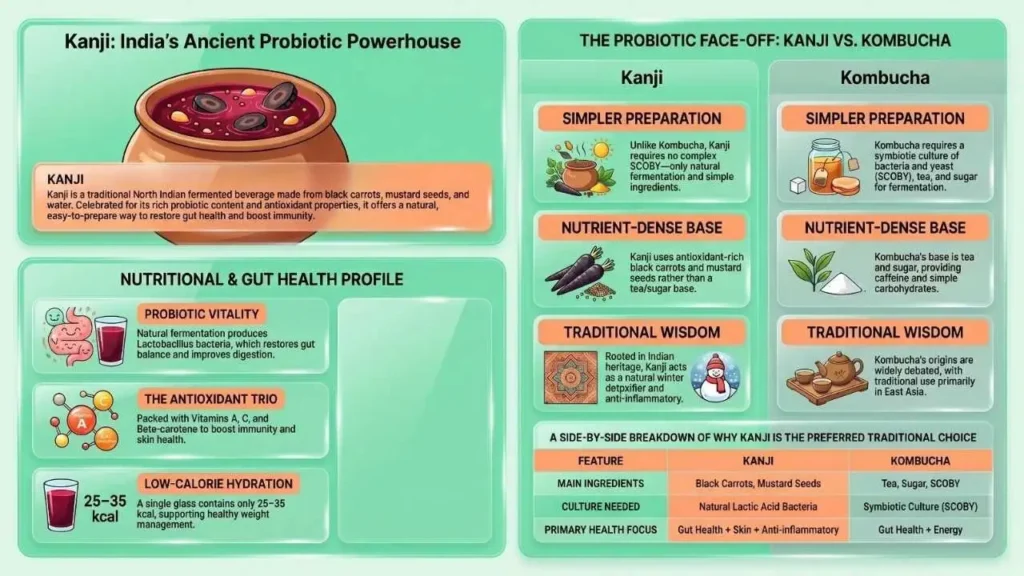
While kombucha and kefir have gained global popularity, kanji remains a uniquely suitable option for the Indian palate and climate. Unlike kombucha, which is tea-based and often contains significant added sugars to feed the SCOBY (Symbiotic Culture of Bacteria and Yeast), kanji relies on the natural sugars in root vegetables and is typically sugar-free. This makes it a superior choice for those managing diabetes or looking to avoid caffeine.
Furthermore, kanji provides the specific benefits of black carrots, such as acylated anthocyanins, which are not found in dairy-based probiotics like kefir or yogurt. For individuals with lactose intolerance, kanji offers a powerful non-dairy alternative that delivers comparable microbial density and diversity. The use of regional spices like mustard and black salt also provides unique digestive benefits that are absent in Western-style fermented drinks.
FAQs on the Benefits of Kanji
Q1: Can diabetics drink kanji every day?
Yes, the benefits of kanji are particularly useful for diabetics. It contains probiotics and postbiotics that improve insulin sensitivity and slow carbohydrate absorption. It is recommended to use black carrots rather than beetroots to minimize sugar intake and consume about 100-150 ml daily.
Q2: How does kanji help with bloating and acidity?
Kanji is rich in lactic acid bacteria that restore the balance of the gut microbiome. These good bacteria reduce inflammation in the gut lining and help break down food more efficiently, which prevents the buildup of gas and neutralizes excess stomach acid.
Q3: Is kanji safe for weight loss without exercise?
Absolutely. Kanji is low in calories and high in satiety-boosting fibers and organic acids. It helps regulate hunger hormones and reduces cravings, making it a great addition to a balanced diet for those with a sedentary lifestyle.
Q4: When is the best time to drink kanji for gut health?
For optimal gut health, drink kanji in the morning on an empty stomach or about 20-30 minutes before a meal. This allows the probiotics and enzymes to prepare your digestive tract for better nutrient absorption and smoother digestion.
Q5: Can I make kanji without sunlight?
While traditional methods use sunlight to provide gentle warmth, you can ferment kanji in any warm spot in your kitchen. It may just take a day or two longer. The key is maintaining a consistent temperature and keeping the jar covered with a breathable cloth.
Conclusion
Embracing the benefits of kanji offers a bridge between time-tested tradition and modern metabolic science, providing a simple yet powerful tool for anyone struggling with gut issues or blood sugar management. By restoring the gut microbiome with natural probiotics and postbiotics, this vibrant drink addresses the root causes of bloating and insulin resistance rather than just masking the symptoms. For busy professionals and homemakers, it represents an affordable, home-based solution that fits seamlessly into a daily routine, proving that health does not always require complex interventions-sometimes, it just requires a return to our cultural roots.
If you are ready to take the first step toward a healthier gut and better managed diabetes today, our team of expert dietitians is here to help you create a personalized plan.
Start your journey to better health now‘
Contact Us
We understand how overwhelming nutrition and weight loss information can feel. With so many opinions and confusing advice online, it’s easy to feel stuck or unsure about what to do next.
At Diet Dekho, you never have to figure it out alone. You can contact us anytime with any questions or concerns. Our expert dietitians are available 24/7 to guide, support, and help you stay on track. Whether your goal is weight loss or building healthier habits, we’re here to make the journey simpler and more sustainable for you.
Disclaimer
This blog is intended to help readers make healthier food choices. Your health should always be the top priority. Before starting any restrictive or special diet, especially if you have a medical condition or health concern, please consult a doctor or a qualified dietitian. Each body responds differently to food and lifestyle changes. Always choose what is safe and suitable for you.

Abhinav is the Founder of Diet Dekho, helping people manage weight and lifestyle health through simple, practical nutrition and personalized diet plans.