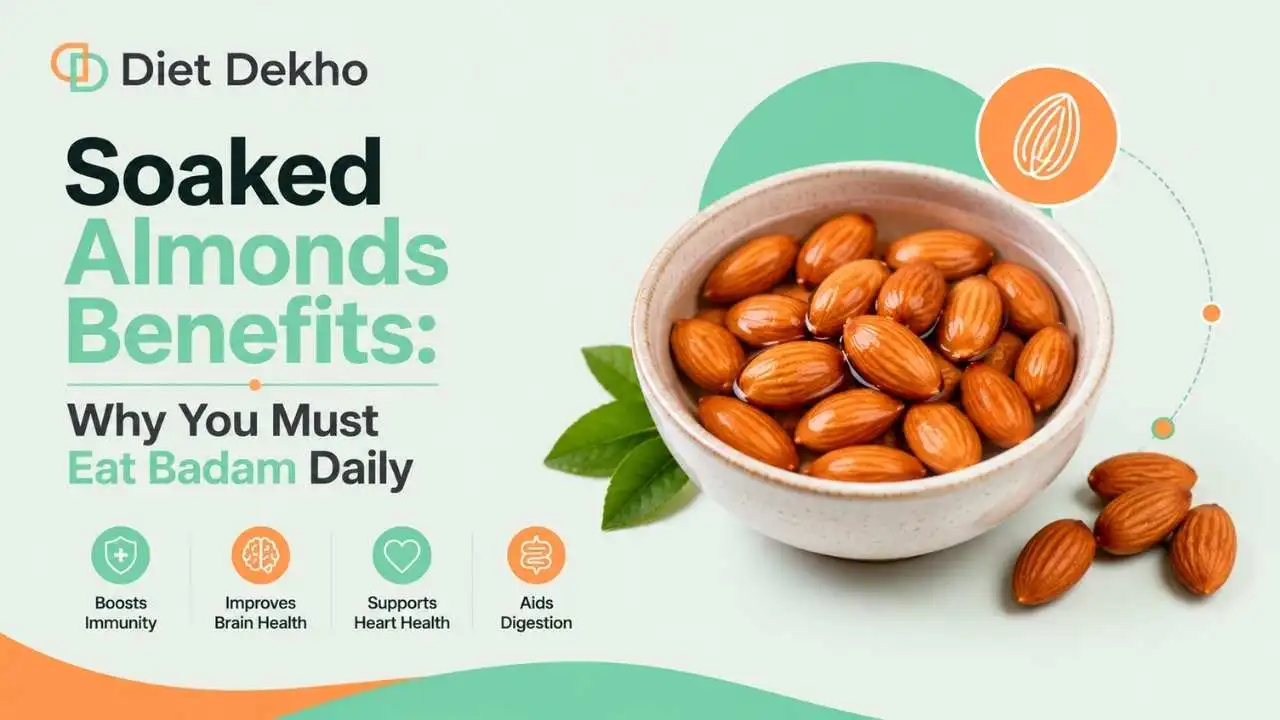
The morning routine for a busy professional in Mumbai or a homemaker in Delhi often begins with a rush to manage the household before the first work call or school run. It is during these high-pressure moments that health often takes a backseat, leading many to seek a simple, time-effective habit to reclaim their vitality. Many people choose to soak almonds as their first step toward better health, finding that this tiny ritual provides the energy and mental clarity needed to navigate a demanding day.
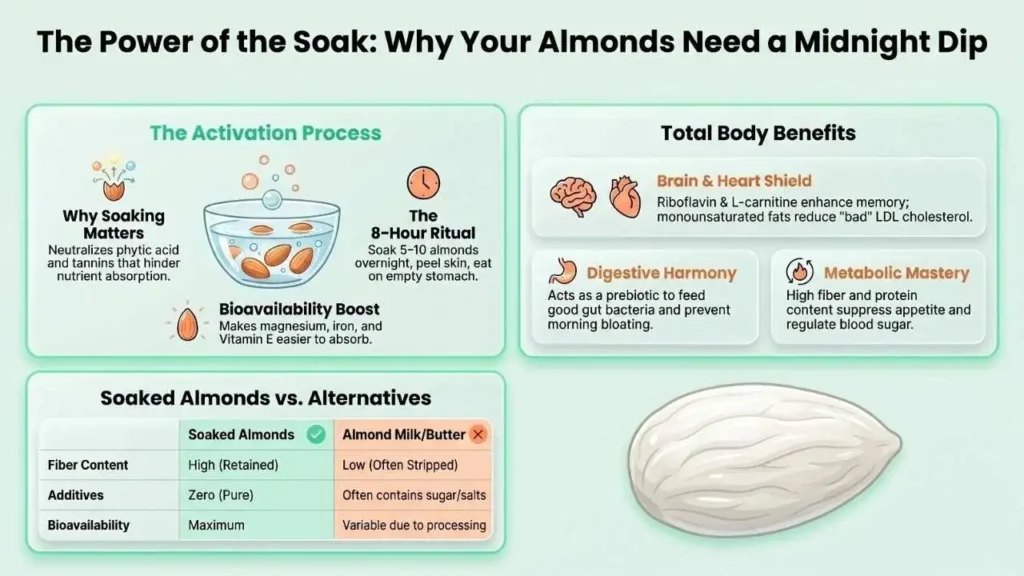
Soaking almonds overnight is essential for maximizing their health benefits because it neutralizes enzyme inhibitors and breaks down tannins in the skin that can interfere with digestion and nutrient absorption. This activation process makes minerals like magnesium and vitamins like Vitamin E more bioavailable, while also improving heart health, supporting brain function, and helping manage blood sugar levels in people with diabetes.
The Biological Transformation of Activated Almonds
The process of soaking, often termed activation, triggers a fundamental biochemical shift within the almond. Nature designed the almond as a seed that must protect its nutrients until conditions are perfect for growth. These protection mechanisms include nutritional inhibitors and toxic substances that can only be removed when enough moisture mimics the precipitation required for germination. By placing the nut in water, the seed wakes up from its dormant state.
This physiological shift is more than just a change in texture. When the almond is submerged for 8 to 12 hours, the water penetrates the tough outer shell and skin, signaling the release of beneficial enzymes. Specifically, the activation of lipase occurs-this is the enzyme responsible for breaking down fats in the human body. For a professional sitting at a desk for long hours or a homemaker with a sensitive stomach, this means the heart-healthy monounsaturated fats in the almond become significantly easier to digest and absorb.
The textural change is equally significant for different age groups. Raw almonds possess a rigid, hard structure that can be challenging for the digestive system to fracture efficiently. Soaking provides a softer, plump consistency that is gentler on the teeth and the gastrointestinal tract, which is particularly beneficial for children and the older people.
| Condition | Raw Almond Characteristic | Soaked Almond Transformation | Physiological Impact |
| Texture | Hard, rigid, difficult to chew | Soft, plump, creamy | Easier on teeth and GI tract |
| Enzymes | Dormant inhibitors present | Lipase activation | Improved fat breakdown |
| Skin | Tight, contains tannins | Loosened, easy to peel | Reduced bitterness and irritation |
| Flavor | Astringent, slightly bitter | Mild, buttery, sweet | Improved palatability |

The Kinetics of Antinutrient Removal
One of the most compelling reasons to soak almonds is the reduction of antinutrients, specifically tannins and phytic acid. Tannins are polyphenolic compounds found in the brown skin of the almond that serve a protective purpose for the plant but act as an irritant to the human stomach lining. For many individuals, eating raw almonds with the skin results in feelings of heaviness or bloating.
When almonds are soaked, the skin loosens, allowing it to be easily removed. This simple act of peeling significantly reduces the tannin content, which otherwise binds to proteins and prevents the body from fully utilizing the almond’s protein profile. Furthermore, tannins can inhibit the absorption of minerals like iron and zinc. For a busy professional who may already be struggling with low iron or fatigue, removing these barriers to nutrient uptake is a vital step toward better energy levels.
The discussion around phytic acid is more nuanced in the scientific community. Phytic acid is known to chelate minerals like calcium, magnesium, and zinc, forming insoluble complexes that the gut cannot absorb. While some sources suggest soaking drastically reduces phytic acid, research using high-performance liquid chromatography (HPLC) has shown that soaking whole almonds for 12 hours only marginally reduces these levels-often by less than 5%. This is because the almond’s skin acts like a waterproof barrier. However, the removal of the skin and the softening of the nut still improve the overall bioavailability of nutrients by removing the inhibitory tannins and activating digestive enzymes.

Managing Diabetes in the Asian Indian Context
For those managing type 2 diabetes or prediabetes, almonds are a nutritional powerhouse. In India, often referred to as the diabetes capital, finding food-based strategies to control blood sugar is a priority for healthcare providers. Almonds have a very low glycemic index (GI), meaning they do not cause the sharp spikes in blood glucose that refined carbohydrates do.
A significant breakthrough in nutritional therapy for Asian Indians involves the pre-meal almond protocol. Clinical trials have demonstrated that eating 20 grams of almonds-roughly 17 to 18 nuts-exactly 30 minutes before breakfast, lunch, and dinner can reduce post-meal blood sugar spikes by approximately 18% to 29%. This habit essentially primes the pancreas to release insulin early and slows down the speed at which food leaves the stomach.
Long-term studies support these acute findings. Meta-analyses have shown that almond-based diets effectively lower glycated hemoglobin (HbA1c) levels in patients with type 2 diabetes. One study reported a reduction in HbA1c of up to 12% when almonds were substituted for a portion of the daily caloric intake. This is a profound result for a simple dietary change that requires no gym membership or expensive supplements.
| Glycemic Marker | Impact of Almond Consumption | Mechanism |
| Post-meal Glucose | 18-29% reduction | Slower gastric emptying; early insulin trigger |
| HbA1c | Significant reduction (p < 0.05) | Long-term glycemic stabilization |
| Insulin Resistance | Improved HOMA-IR scores | Enhanced cell sensitivity to insulin |
| Pancreatic Health | Improved beta-cell function | Reduced oxidative stress on the pancreas |

The Magnesium Connection and Systemic Health
Magnesium is a vital cofactor in over 300 enzymatic systems, including those that regulate blood glucose and blood pressure. Unfortunately, magnesium deficiency is widespread in India, affecting between 13.5% and 47.7% of people with diabetes. Factors such as soil depletion, intensive farming, and the consumption of processed foods have made it difficult to maintain adequate levels through a standard modern diet.
Almonds are one of the richest natural sources of magnesium. By choosing to soak almonds, individuals make this magnesium more accessible to the body. Improving magnesium status has been shown to enhance insulin receptor affinity and overall insulin sensitivity. For a homemaker or professional, this translates to better metabolic health and a reduced risk of long-term diabetic complications like retinopathy or neuropathy.
Furthermore, magnesium is essential for muscle and nerve function, as well as maintaining a steady heart rhythm. The combination of magnesium, fiber, and healthy monounsaturated fats in almonds creates a protective effect against cardiovascular disease. High-quality research from Harvard highlights that regular nut consumption is associated with a 30% to 50% lower risk of sudden cardiac death or myocardial infarction.

Cardiovascular Resilience and Lipid Profiles
The cardiovascular benefits of almonds are perhaps their most well-recognized attribute. Clinical evidence consistently shows that almonds help lower bad LDL cholesterol while maintaining or even increasing good HDL cholesterol. This is primarily due to their high content of monounsaturated fatty acids (MUFAs), which replace more harmful saturated fats in the diet.
A study published in the Journal of Nutrition found that consuming 1.5 ounces of almonds daily led to a more favorable distribution of HDL cholesterol subtypes, improving the body’s ability to clear cholesterol from the bloodstream. This is critical for preventing the buildup of plaque in the arteries, which can lead to heart attacks and strokes.
For the non-gym audience, almonds offer a passive way to protect the heart. The vitamin E found in almonds acts as a potent antioxidant, protecting cell membranes from oxidative damage and reducing systemic inflammation. Even small habits, like replacing a mid-morning snack of biscuits or chips with soaked almonds, can lead to significant improvements in blood pressure and arterial function.

Satiety and Weight Management Dynamics
One of the most common myths is that almonds cause weight gain due to their high calorie and fat content. However, scientific evidence suggests the opposite: almonds are an excellent tool for weight management. Their combination of protein, fiber, and healthy fats provides a powerful satiety effect, helping individuals feel full for longer and reducing the urge to snack on high-calorie, low-nutrient foods.
Clinical trials have shown that when people add almonds to their diet, they often spontaneously reduce their intake of other calories. Furthermore, the physical structure of the almond means that not all its calories are bioavailable. Roughly 20% to 25% of the calories in whole almonds remain unabsorbed because the digestive system cannot fully break down the nut’s tough cell walls.
For a busy professional who might otherwise grab a samosa or a pack of biscuits during a 4 PM slump, a handful of almonds serves as a bridge snack. This bridge prevents the chaotic hunger that often leads to overeating during dinner.
| Snack Choice | Satiety Level | Weight Management Impact |
| Biscuits/Cookies | Low; rapid sugar spike and crash | Often leads to overeating later |
| Chips/Savory Snacks | Low; high sodium and poor fats | Derails caloric deficit easily |
| 1 oz Soaked Almonds | High; sustained energy release | Supports adherence to a healthy diet |
| Fruit Alone | Moderate; contains fiber/sugar | Good, but lacks protein/fat for long-term fullness |

Cognitive Power and Brain Health
In the Indian cultural context, almonds are synonymous with dimag tez karna or sharpening the brain. This traditional wisdom is supported by the presence of riboflavin and L-carnitine, nutrients known to enhance brain activity and potentially prevent cognitive decline.
Soaking almonds for brain health is a specific recommendation in Ayurveda. The practice of removing the skin is thought to make the nutrients lighter and more easily absorbed by the nervous system. For students, working professionals, and the older people, the antioxidants in almonds protect brain cells from oxidative stress, which is a key factor in memory loss and neurological aging.
The celebrity nutritionist Rujuta Diwekar emphasizes starting the day with soaked almonds to fuel both the brain and the skin. This ritual provides a steady supply of energy that prevents the mid-morning mental fatigue that many office-goers experience.
Microbiota Modulation and Gut Health
The benefits of almonds extend deep into the gastrointestinal tract. Recent research has highlighted the role of almonds as a prebiotic, providing a food source for beneficial gut bacteria such as Bifidobacterium and Lactobacillus. A healthy gut microbiome is essential for a strong immune system, improved digestion, and even better mental health.
When almonds are consumed, their fiber and polyphenols reach the large intestine, where they are fermented by bacteria. This fermentation process produces short-chain fatty acids (SCFAs) like butyrate. Butyrate is a critical energy source for the cells lining the colon and has anti-inflammatory effects throughout the body.
For those with sensitive stomachs, soaking almonds is a crucial step. By removing the tannins and softening the nut, you reduce the potential for irritation while still providing the gut bacteria with the fiber they need to thrive.

The Indian Cultural and Ayurvedic Context
Almonds, or Badam, have been part of Indian medicine and culinary traditions for thousands of years. Ayurveda classifies them as Tridoshic when soaked and peeled, meaning they balance the three functional energies of the body: Vata, Pitta, and Kapha.
In many Kashmiri households, the traditional practice of rubbing a soaked, peeled Mamra almond on a clean stone with a few drops of water to create a fine paste is still used to build vitality (Ojas) in young children. This generational wisdom aligns with modern science, which confirms that the fat-soluble vitamins and healthy fats in this paste are highly bioavailable.
| Variety | Regional Origin | Key Characteristics |
| California Almonds | USA | Consistent size, mild sweetness, most common |
| Mamra Almonds | Iran/Afghanistan | High oil content (up to 50%), elite quality, rare |
| Gurbandi Almonds | Afghanistan | Small size, bitter hints, high in antioxidants |
| Pahadi Badam | Indian Himalayas | Nutrient-dense, traditional superfood for heart health |
Practical Consumption Protocols for Busy Lifestyles
The beauty of the soaked almond habit lies in its simplicity. It requires minimal active time, making it perfect for busy professionals and homemakers.
The Correct Soaking Method
- Quantity: Place 8 to 10 almonds in a glass bowl.
- Water: Cover them with double the amount of filtered water.
- Time: Let them sit for 8 to 12 hours (overnight).
- Discard: Drain and throw away the soaking water to remove leached tannins.
- Peel: Gently pinch the almond; the skin should slide off easily.
- Consume: Eat them first thing in the morning on an empty stomach for maximum brain and metabolic benefits.
Timing Strategies
- For Brain Power: Eat 5 to 10 soaked, peeled almonds as soon as you wake up.
- For Blood Sugar Control: Eat 17 to 18 almonds (about 20g) exactly 30 minutes before your main meals.
- For Evening Cravings: A small serving of 5 to 7 almonds an hour before bed can support sleep without causing digestive heaviness.

Frequently Asked Questions
Is it better to soak almonds or eat them raw?
Soaking is generally superior for those with sensitive digestion or anyone looking to maximize nutrient absorption. The soaking process removes tannins that can irritate the stomach and activates enzymes like lipase that aid in fat digestion. However, raw almonds still provide excellent fiber and are convenient for quick snacking.
How many soaked almonds should I eat daily?
For general health and brain function, 8 to 10 almonds per day is a standard recommendation. For weight management or heart health, a full ounce (about 23 almonds) is often used in clinical research. If you are managing diabetes, the pre-meal protocol suggests about 17 to 18 nuts before major meals.
Should I peel the skin after I soak almonds?
Yes, peeling is highly recommended. The skin contains tannins and enzyme inhibitors that are loosened during the soaking process. Discarding the skin makes the nut gentler on the stomach and ensures that the nutrients, such as Vitamin E and magnesium, are more easily absorbed by your body.
Can I drink the water used to soak almonds?
No, you should always discard the soaking water. This water contains the very tannins and enzyme inhibitors that have leached out of the almond skin. Drinking it would reintroduce the compounds you were trying to remove. Simply rinse the soaked almonds with fresh water before eating.
Do soaked almonds help with weight loss?
Yes, they do. Soaked almonds are rich in protein and fiber, which help suppress appetite and increase feelings of fullness. Because they take time to chew and provide a steady release of energy, they help prevent the blood sugar crashes that lead to unhealthy cravings and overeating later in the day.
Conclusion: A Simple Step Toward Lasting Health
Integrating soaked almonds into your daily routine is perhaps one of the most effective yet effortless dietary changes you can make. Whether you are a professional looking for mental clarity, a homemaker managing family wellness, or someone navigating the complexities of diabetes, this small nut offers a wealth of research-backed benefits.
By taking just a few minutes each night to prepare your almonds, you are setting the stage for better digestion, a healthier heart, and a sharper mind. It is a reminder that health transformations do not always require dramatic overhauls; sometimes, they begin with a single, mindful choice.
Ready to take the next step in your health journey? Let our expert nutritionists help you create a personalized plan that fits your life.
Start your journey today: https://dietdekho.com/form/
Contact Us
We understand how overwhelming nutrition and weight loss information can feel. With so many opinions and confusing advice online, it’s easy to feel stuck or unsure about what to do next.
At Diet Dekho, you never have to figure it out alone. You can contact us anytime with any questions or concerns. Our expert dietitians are available 24/7 to guide, support, and help you stay on track. Whether your goal is weight loss or building healthier habits, we’re here to make the journey simpler and more sustainable for you.
Disclaimer
This blog is intended to help readers make healthier food choices. Your health should always be the top priority. Before starting any restrictive or special diet, especially if you have a medical condition or health concern, please consult a doctor or a qualified dietitian. Each body responds differently to food and lifestyle changes. Always choose what is safe and suitable for you.

Abhinav is the Founder of Diet Dekho, helping people manage weight and lifestyle health through simple, practical nutrition and personalized diet plans.