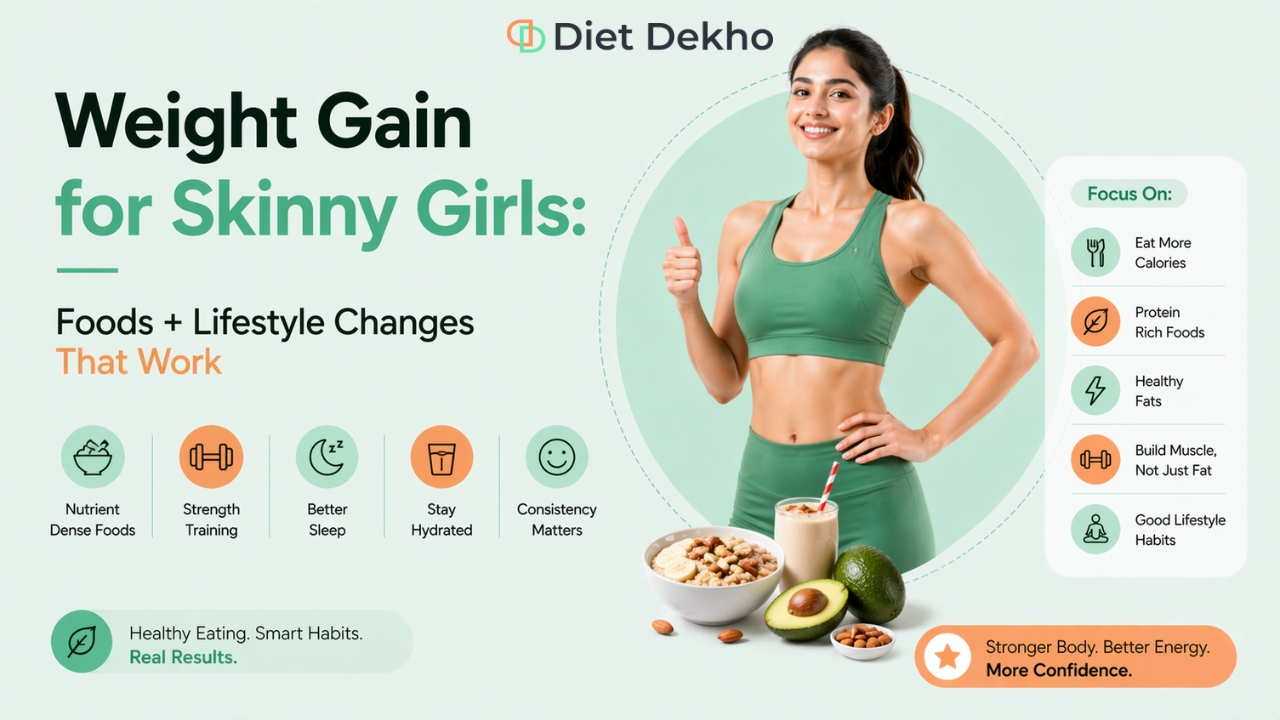
The experience of walking through a metro station in Delhi or Mumbai and facing a giggling security officer who asks why a person is so thin is a reality for many young women in India. This public scrutiny often follows a childhood where nursery teachers or relatives voiced concerns that a child needed to be fed more, or where family members compared a lean frame to a toothpick. It is understandable that such comments lead to a sense of being insufficient, especially when the solution is often simplified to just eat more by those who do not understand the struggle of a low appetite or a high metabolism. For those seeking a sustainable path, achieving weight gain for skinny girls in India requires a shift away from junk food toward a structured surplus of nutrient-dense traditional foods and functional lifestyle habits.
The most effective approach for weight gain skinny girls india involves maintaining a consistent calorie surplus of 300 to 500 calories daily using staples like desi ghee, paneer, and full-fat dairy. Combining this high-calorie Indian diet with Hatha yoga and Surya Namaskar ensures that the weight gained is lean muscle mass rather than visceral fat, while also addressing underlying micronutrient gaps like iron and vitamin B12.
The National Context of Female Undernutrition and Thin Shaming
The struggle for healthy weight gain skinny girls india is set against a complex epidemiological backdrop. National Family Health Survey (NFHS-5) data indicates that 27.1 percent of Indian women in the reproductive age group are classified as undernourished, with a Body Mass Index below 18.5. While the prevalence of undernutrition reduced from 32.8 percent in earlier surveys, the progress remains slow, with a decadal reduction of only 2.7 percent. This persistent thinness is not merely a matter of aesthetics but a critical health indicator that impacts long-term fertility and immunity.
Regional Trends and Socio-Economic Risk Factors
Undernutrition is not distributed equally across the Indian landscape. Teenagers in the 15 to 19 age bracket show the highest rates of being underweight compared to any other age group. Factors such as belonging to the poorest wealth index or living in rural areas significantly increase the risk, although the gap between rural and urban populations has narrowed in recent years.
| State/Category | Underweight Prevalence | Socio-Economic Note |
| National Average | 27.1% | Reproductive age 15-44 |
| Rural Population | High Risk | Persistent socio-economic barriers |
| Teenagers (15-19) | Highest Proportion | Critical growth phase |
| Scheduled Castes | 35% | Significant caste-based disparity |
| Scheduled cohorts | 28% | Cultural and geographic factors |
The Psychological Burden of the 5kg More Standard
In many Indian households, a young woman is often told that if she just gained five more kilograms, she would look healthy or clothes would fit better. This 5kg more standard often overshadows a person’s achievements in education or career, making the physical frame a constant topic of dinner-table discussion. This hyperfixation on the body can distract from personal growth and lead to a diminished self-worth. For those who have tried disgusting protein drinks or gym memberships without success, the journey can feel lonely and dark.
The cultural paradox in India is that while media idols are often thin, real-life thinness is frequently mocked or viewed with suspicion by elders who ask if the mother is not feeding the child. This specific form of shaming survives because it often does not sound like an insult to the speaker, yet it leaves a heavy burden on the recipient.

The Hidden Health Crisis within a Lean Frame
Being thin in India does not automatically equate to being healthy. A significant study reveals that four in ten young Indian women face a hidden mix of anemia, vitamin deficiencies, and early signs of diabetes. This means that a person who appears healthy from the outside might be nutritionally depleted on the inside.
Anemia and Micronutrient Depletion
Anemia is a widespread concern, with 44.07 percent of young women suffering from both abnormal body weight and low iron levels. Even if a woman is not clinically anemic, her iron stores might be depleted, as seen in the 49.9 percent of participants with low ferritin. Furthermore, vitamin D deficiency is found in 67 percent of women, and vitamin B12 shortages affect over 34 percent. These gaps lead to chronic fatigue and hormonal imbalances, making the goal of weight gain for skinny girls in India even harder to achieve without correcting the underlying nutrition.
Metabolism and Insulin Resistance
A surprising find in recent research is that 42.9 percent of participants showed insulin resistance, which is an early indicator of diabetes. This is measured using the HOMA-IR index, which reveals how hard the body must work to maintain normal blood sugar. For underweight women, this metabolic strain suggests that the quality of food matters more than just the quantity. Consuming high-sugar junk foods to gain weight could actually worsen these metabolic markers.

Science-Backed Strategies for a Healthy Calorie Surplus
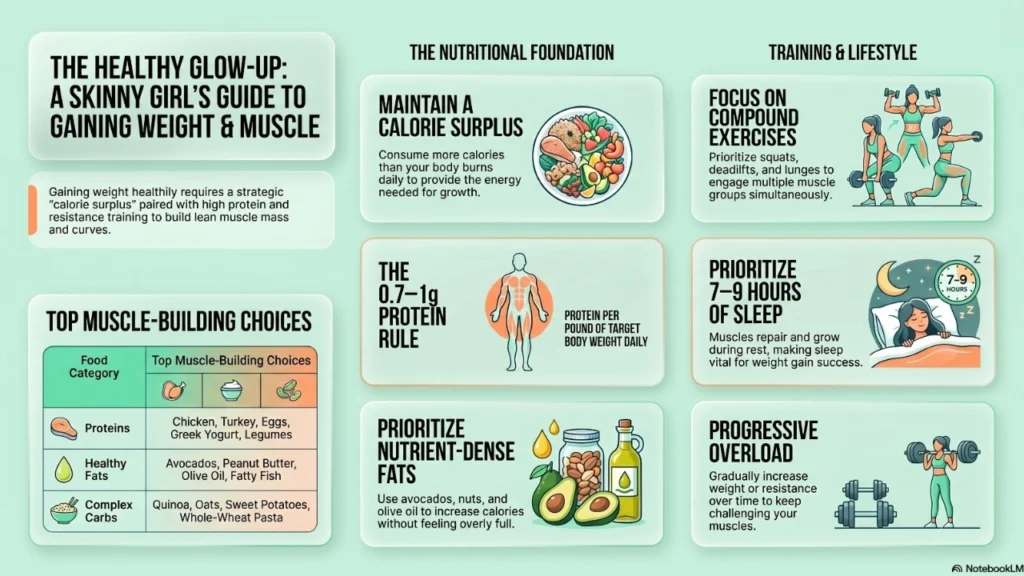
The core mechanism of weight gain is creating a calorie surplus, which means taking in more energy than the body burns. For an average sedentary Indian woman, the energy requirement is approximately 1,660 calories per day. To gain weight safely, one must aim for an additional 300 to 500 calories daily.
The Role of Nutrient-Dense Calories
Instead of relying on cakes or sugary drinks, which do not provide the necessary building blocks for muscle, it is vital to choose foods that are rich in both calories and nutrients. The Indian Council of Medical Research (ICMR) suggests that a balanced diet should provide no more than 45 percent of calories from cereals and millets, while ensuring adequate intake of pulses, nuts, and milk.
| Food Group | Weight Gain Benefit | Recommended Action |
| Healthy Fats | 9 calories per gram | Add ghee or nut butter |
| Proteins | Muscle repair and growth | Include paneer, dal, or eggs |
| Complex Carbs | Sustained energy | Focus on rice, potatoes, and oats |
| Fiber | Digestion support | Moderate intake to avoid early fullness |
Managing Low Appetite with Meal Timing
For those with a naturally low appetite, eating three large meals can feel daunting. A better approach is to spread eating across five or six smaller meals throughout the day. If morning is the time when hunger is highest, it is best to make breakfast the largest meal of the day. Liquid calories, such as high-calorie smoothies and shakes, move through the stomach faster and can be an easier way to consume nutrients on the go.
The Indian Kitchen: A Treasury of Weight Gain Superfoods
Traditional Indian foods are perfectly suited for healthy weight gain because they are naturally calorie-dense and rich in healthy fats. By making small adjustments to daily recipes, a significant increase in calorie intake can be achieved without feeling overwhelmed.
The Juggernauts: Milk, Ghee, and Paneer
Full-fat dairy is a cornerstone for weight gain skinny girls india. Milk is rich in protein, healthy lipids, and carbohydrates, making it an ideal post-workout or bedtime drink. Desi ghee is no longer viewed as a villain but as a gold mine for calories; a single tablespoon adds over 100 calories to any dish. Paneer is another high-protein, high-fat option for vegetarians that is perfect for muscle development due to its slow digestion.
Versatile Staples: Rice and Bananas
Rice is a staple in most Indian households and is easily digestible and rich in carbohydrates. Pairing rice with paneer, dal, or chicken curry and drizzling it with ghee is an effective way to boost calories. Bananas are indispensable for those trying to increase their weight, as they provide approximately 105 calories per fruit and help alleviate post-workout cramping due to their potassium content.
Calorie-Dense Meals and Their Impact
| Indian Dish | Caloric Density | Key Nutrients |
| Paneer Paratha | High | Protein, Fats, Carbs |
| Butter Chicken | High | Protein, Healthy Fats |
| Chole Bhature | Very High | Carbs, Fats |
| Mango Milkshake | High | Vitamin A, Calories |
| Dal Makhani | High | Protein, Fiber |
While indulgent dishes like Chole Bhature or Biryani provide high calories, it is better to consume them earlier in the day when metabolism is active rather than late at night when they might lead to fat storage.

Lifestyle Changes for the Non-Gym Audience
Building a stronger body does not require a gym membership. For homemakers and busy professionals, consistent movement and home-based activities can stimulate the appetite and build muscle mass.
The Power of Hatha Yoga and Surya Namaskar
Yoga is more than just stretching; it is a way to develop inner awareness and strength. Hatha yoga, which combines physical postures with breath control, has been shown to increase muscle strength and cardio-respiratory fitness in sedentary individuals after just eight weeks. Surya Namaskar is a series of movements that engage the entire body and can burn between 100 to 150 calories in just 15 minutes, which helps in improving flexibility and metabolism.
NEAT: Turning Chores into Fitness
Non-Exercise Activity Thermogenesis (NEAT) refers to the energy spent during everyday tasks. For an Indian homemaker, an hour of cleaning or mopping can burn between 150 to 250 calories. To build muscle during these tasks, one can carry grocery bags as a form of loaded carry or take the stairs instead of the lift. Simple isometric holds, like a one-minute wall sit before a shower, can also activate muscle fibers without the need for equipment.

Correcting the Micronutrient Gap: A Practical Guide
Since many underweight women in India face hidden malnutrition, it is important to focus on foods that fix these gaps. According to Harvard Health, choosing nutrient-dense foods is the most effective approach for weight control and health maintenance.
Addressing Anemia and Vitamin Deficiency
To combat iron depletion, increasing the intake of green leafy vegetables is vital. The 2024 ICMR guidelines recommend a 100 percent increase in green leafy vegetable intake compared to older guidelines to address widespread folate and iron deficiencies. Including a variety of colors in the diet such as red carrots, orange pumpkins, and purple berries ensures a wide range of vitamins and minerals.
The Importance of Vitamin D and B12
Since 67 percent of young women are deficient in vitamin D, spending 20 to 30 minutes in the morning sun after breakfast can help improve levels and aid in muscle glucose uptake. Vitamin B12 is often low in vegetarian diets, so including fortified milks, curd, or considering a supplement after consulting a doctor is important for energy and nerve health.

A 7-Day Indian Diet Plan for Weight Gain
This plan is designed for those who need simple, home-based solutions. Every meal is balanced to provide a mix of proteins, fats, and carbohydrates.
- Day 1:
- Breakfast: 2 Paneer Parathas with 1 cup of full-fat curd.
- Lunch: Rajma with Jeera Rice and a salad with olive oil.
- Dinner: Mixed Veg Parathas and Paneer Bhurji.
- Snack: Mango Milkshake with nuts.
- Day 2:
- Breakfast: Oats in full-fat milk with banana and walnuts.
- Lunch: Chole with 2 Butter Rotis and Curd.
- Dinner: Paneer Butter Masala with Brown Rice.
- Snack: Roasted Makhana and a Banana.
- Day 3:
- Breakfast: 3 Moong Dal Cheelas stuffed with Paneer.
- Lunch: Dal Makhani with Rice and Veggie Stir-fry.
- Dinner: Palak Paneer with 2 Multigrain Rotis.
- Snack: A glass of Badam Milk.
- Day 4:
- Breakfast: 2 Besan Chillas with Mint Chutney and Lassi.
- Lunch: Kadhi Pakora with Rice and Papad.
- Dinner: Soya Chunk Curry with 2 Rotis.
- Snack: Fruit Salad with thick Cream or Honey.
- Day 5:
- Breakfast: Vegetable Poha with peanuts and 2 boiled eggs or Paneer.
- Lunch: Lobia (Black-eyed peas) with 2 Rotis and Curd.
- Dinner: Mix Veg Curry and Paneer Pulao.
- Snack: Peanut Chikkis or Cashews.
- Day 6:
- Breakfast: Whole Wheat Bread with thick Peanut Butter.
- Lunch: Paneer Tikka Masala with Brown Rice.
- Dinner: Dal Tadka with 2 Ghee-laden Rotis.
- Snack: Avocado and Banana Smoothie.
- Day 7:
- Breakfast: Vegetable Upma with cashews and ghee.
- Lunch: Veg Biryani with Paneer cubes and Raita.
- Dinner: Matar Paneer with 2 Missi Rotis.
- Snack: Greek Yoghurt with Granola.
Sleep and Stress: The Invisible Factors in Weight Regulation
Even with a perfect diet, high stress and poor sleep can prevent weight gain skinny girls india by raising cortisol levels. Cortisol is a stress hormone that helps the body replenish energy stores but can lead to the storage of unused energy as visceral fat while breaking down muscle mass.
The Necessity of Quality Sleep
Adults generally need 7 to 9 hours of sleep each night to allow muscles to repair and hormones to reset. Age-related changes can affect sleep quality, making it harder to maintain muscle mass as metabolism naturally slows. Turning the bedroom into a sleep sanctuary and following a regular schedule can significantly improve the body’s ability to gain healthy weight.
Mindful Eating for a Better Relationship with Food
Mindfulness refers to focusing on the present moment without judgment. Practicing mindful eating can help individuals become more sensitive to their body’s hunger and fullness cues. This approach fosters a more positive relationship with food, which is especially important for those who have developed an aversion to eating due to family pressure or body shaming.

When to Consult a Healthcare Professional
Sometimes, the inability to gain weight is linked to underlying medical issues that require clinical intervention. If a person is following a high-calorie diet plan and still not seeing results after three weeks, a medical evaluation is recommended.
Potential Medical Blockers
- Thyroid Problems: Hyperthyroidism can cause a very high metabolism, making it difficult to gain weight despite eating more.
- Malabsorption: Some conditions prevent the body from properly absorbing nutrients from food.
- Chronic Stress or Depression: Mental health can have a profound impact on appetite and weight regulation.
- Medication Side Effects: Certain drugs can affect brain chemicals that regulate appetite or increase the rate at which the body burns calories.
A doctor can help rule out these conditions and ensure that the weight gain effort is safe and effective.
Practical Implementation for Busy Professionals and Homemakers
Finding time to cook and exercise is a challenge, but small, daily habits are more effective than extreme changes that are hard to sustain.
Time-Saving Kitchen Hacks
For those with limited time, soaking lentils and legumes overnight ensures they cook faster and are easier to digest. Using sattu (roasted gram flour) as a quick drink or adding nut butter to morning toast are calorie-dense options that require almost no preparation. Preparing larger portions of dal or curry and storing them can also make it easier to maintain the frequency of meals during a busy week.
Movement without the Gym
Walking after meals or doing standing leg lifts while working at a desk can quietly increase muscle activation. The focus should be on regularity rather than intensity; a 20-minute daily routine often provides better results than a long session done only once a week.
Conclusion: Empathy and Consistency Over Perfection
The journey of weight gain skinny girls india is as much about mental strength as it is about physical nutrition. It is important to remember that every person’s healthy weight range is unique and depends on genetics, body frame, and lifestyle. While society may pressure young women to meet certain standards, the ultimate goal should be a body that feels strong, active, and confident.
Success comes from small, consistent choices like choosing whole wheat parathas over refined bhature or opting for a mango shake instead of a soda. By focusing on nutrient-dense Indian staples and incorporating functional home movements, it is possible to achieve a healthy weight that supports a long and vibrant life. For a personalized roadmap tailored to specific health needs, one can start by filling out the assessment form at DietDekho.com.

FAQs
1. How can I achieve weight gain skinny girls india naturally at home?
The best way to achieve weight gain skinny girls india naturally is to eat a calorie surplus of 300 to 500 calories daily using nutrient-dense Indian foods like desi ghee, paneer, and full-fat milk. Pairing this with home-based resistance exercises like Surya Namaskar helps build lean muscle.
2. Which Indian diet plan is best for a skinny girl to gain weight?
A vegetarian Indian diet plan for weight gain should include high-protein foods like Rajma, Chole, and Paneer, along with healthy fats like ghee and nuts. Eating 5 to 6 small, frequent meals rather than 3 large ones can help those with low appetites.
3. Are there any specific exercises for weight gain for skinny girls?
Yes, strength-building exercises like squats, planks, and yoga postures such as Hatha yoga are effective for building muscle. These exercises stimulate the appetite and ensure that the weight gained is muscle rather than fat.
4. What are some high calorie Indian foods to include in a weight gain diet?
Top high-calorie Indian foods include desi ghee, full-fat curd, bananas, mango milkshakes, and paneer parathas. Adding healthy fats to every meal, such as drizzling ghee over rice or dal, is an easy way to increase calorie intake.
5. How long does it take for a skinny girl to see weight gain results?
With a consistent calorie surplus and a moderate exercise routine, measurable changes in muscle strength and energy levels are often visible after four to six weeks. Consistency is more important than intensity for long-term success.
Contact Us
We understand how overwhelming nutrition and weight loss information can feel. With so many opinions and confusing advice online, it’s easy to feel stuck or unsure about what to do next.
At Diet Dekho, you never have to figure it out alone. You can contact us anytime with any questions or concerns. Our expert dietitians are available 24/7 to guide, support, and help you stay on track. Whether your goal is weight loss or building healthier habits, we’re here to make the journey simpler and more sustainable for you.
Disclaimer
This blog is intended to help readers make healthier food choices. Your health should always be the top priority. Before starting any restrictive or special diet, especially if you have a medical condition or health concern, please consult a doctor or a qualified dietitian. Each body responds differently to food and lifestyle changes. Always choose what is safe and suitable for you.

Abhinav is the Founder of Diet Dekho, helping people manage weight and lifestyle health through simple, practical nutrition and personalized diet plans.