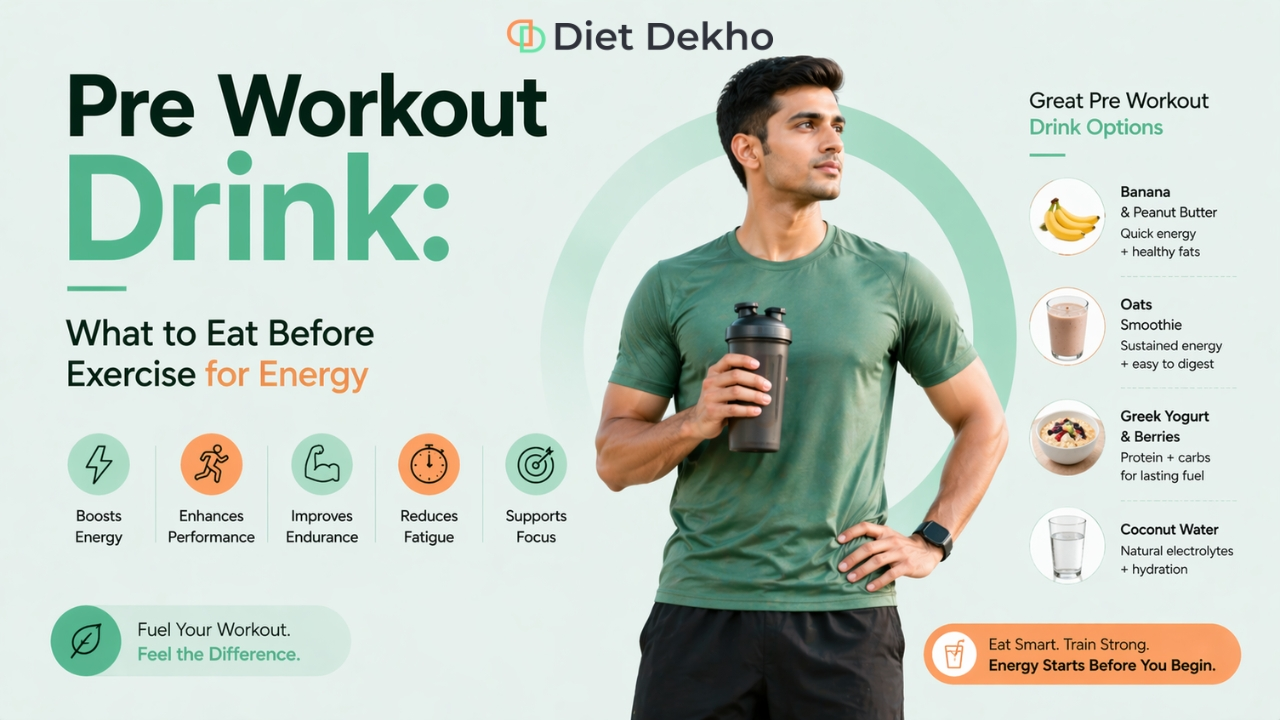
I know it is hard to find time between back-to-back office calls and managing the household, but imagine if your afternoon walk felt like a breeze instead of a chore. Have you ever wondered why some days you feel like a powerhouse while others you can barely finish a ten-minute stroll? The secret usually lies in your pre workout drink and how you choose to fuel your body before moving.
The most effective pre workout drink is one that provides easily digestible carbohydrates for energy and a small amount of protein to protect your muscles. For most Indians, a simple glass of sattu lemonade or a banana with a few almonds, consumed 30 to 60 minutes before exercise, offers the perfect balance of energy boost and blood sugar stability without the jitters of synthetic supplements.
The Physiological Engine: Why Your Body Craves Fuel Before Movement
What this means for your daily routine is that your body acts much like a car; it cannot run on an empty tank, especially when you are asking it to do extra work. When you engage in physical activity, whether it is a brisk walk around the society park or a yoga session in your living room, your muscles demand a specific type of fuel called Adenosine Triphosphate (ATP). This energy is primarily derived from the glucose circulating in your blood and the glycogen stored in your liver and muscles. I know it sounds technical, but think of glycogen as your body’s backup battery. If you have not eaten properly, that battery drains quickly, leaving you feeling shaky and exhausted halfway through your activity.
Carbohydrates are your body’s absolute favorite source of fuel because they can be broken down into glucose much faster than fats or proteins can. For a busy professional who has been sitting at a desk for six hours, blood sugar levels might be stable but low. Introducing a small, carbohydrate-rich snack acts like a spark to an engine. Research from organizations like the American College of Sports Medicine suggests that consuming these carbs before exercise can significantly improve your endurance and keep you from feeling fatigued too early.
However, not all carbs are created equal. If you eat something very heavy or greasy, your body has to work overtime to digest it. Instead of sending blood to your legs for walking, your body sends it to your stomach for digestion. This is why you might feel sluggish or even get a stomach ache if you eat a heavy meal too close to your workout. Let’s simplify this: the closer you are to your exercise, the lighter and simpler your food should be. A piece of fruit or a thin sattu drink is much easier for your system to handle than a full plate of parathas.
The Role of Protein and Fats in Performance
While carbohydrates do the heavy lifting for energy, protein plays a supporting role that is just as vital. Think of protein as the repair crew. When you move, you create tiny, microscopic tears in your muscle fibers. If you have a small amount of protein in your system before you start, it provides the amino acids necessary to begin the repair process almost immediately. This can help reduce the muscle soreness you might feel the next day. This is particularly important for homemakers who are active throughout the day; you want your muscles to stay strong, not feel broken down.
Fats, on the other hand, are the slow-burning logs on a fire. They are great for long, low-intensity activities but take a very long time to digest. If you have a meal high in fat right before your walk, it can sit in your stomach like a stone. This is why I usually suggest saving healthy fats like avocado or heavy nut butters for your larger meals earlier in the day, rather than as a quick pre-workout boost.
| Nutrient Type | Primary Role in Exercise | Recommended Sources |
| Carbohydrates | Immediate energy and glycogen sparing | Banana, Sattu, Oats, Dates |
| Proteins | Muscle repair and amino acid availability | Greek yogurt, Sattu, Boiled egg |
| Fats | Long-term energy for low-intensity work | Almonds, Walnuts (in small amounts) |

Managing the Glycemic Balance: A Guide for Diabetics
If you are managing diabetes, I know that exercise can feel like a bit of a tightrope walk. You want the benefits of lower blood sugar, but the fear of a sudden low or hypoglycemia can be overwhelming. What this means for your daily routine is that your pre workout drink is not just about energy; it is a medical tool to keep you safe. Physical activity makes your muscles much more sensitive to insulin, which is wonderful for long-term health, but it means they pull sugar out of your blood very quickly.
According to guidelines from the American Diabetes Association (ADA), the safest window to start your activity is when your blood sugar is between 90 and 250 mg/dL. If you find yourself below 90 mg/dL, please do not start your walk yet. Your body needs a quick 15 to 30 grams of fast-acting carbohydrates think of it as a safety net. A half-cup of fruit juice or a tablespoon of honey can bring your levels up to a safe range within minutes.
On the flip side, if your reading is above 250 mg/dL, your body might not have enough insulin to actually use the sugar in your blood. In this state, intense exercise can actually cause your blood sugar to go up instead of down because your liver releases more glucose into a system that cannot process it. Always check for ketones if your sugar is high, and if they are present, it is best to rest and hydrate instead of pushing through a workout.
Strategies for Blood Sugar Stability During Exercise
For my friends with Type 2 diabetes who are not on insulin, the risk of a dangerous low is much lower, but you still want to avoid the post-exercise crash. I recommend pairing your carbohydrate with a bit of fiber or protein. For example, instead of just having a plain biscuit, try having an apple with a few walnuts. The fiber in the apple and the healthy fats/protein in the nuts slow down the digestion of sugar, giving you a steady trickle of energy rather than a sudden spike and fall.
| Pre-Exercise Blood Sugar (mg/dL) | Required Action | Food Example |
| Below 90 | Consume 15-30g fast carbs immediately | 1/2 cup fruit juice or honey |
| 90-124 | Take a small 10g carb snack | 2 small crackers or half an apple |
| 126-180 | Ready to exercise | No extra food needed |
| 181-250 | Safe to start | Monitor for rises during heavy lifting |
| Above 250 | Check for ketones; proceed with caution | Water and rest if ketones are present |

Timing Your Fuel: The 3-Tiered System
Let’s simplify this: the timing of your pre workout drink depends entirely on your schedule. I know as a busy professional, you might only have five minutes between a meeting and your gym session. Or perhaps as a homemaker, you have a solid two hours after lunch before the afternoon chores begin. Your body processes food differently depending on how much time it has.
The 3-4 Hour Window: The Full Meal
If you have three to four hours before you plan to be active, you can afford to have a balanced, complete meal. This gives your stomach plenty of time to break down complex fibers and proteins. A bowl of brown rice with dal and a side of vegetables, or a couple of rotis with paneer, is perfect here. Because you have a long lead time, these complex carbs will slowly fill up your glycogen stores, ensuring you are fully topped up by the time you start moving.
The 1-2 Hour Window: The Substantial Snack
Many of my clients find this to be the sweet spot. You are not too full, but you are definitely not hungry. In this window, you want to focus on a smaller meal that is lower in fat and fiber but still has some staying power. A small bowl of oatmeal with a few berries, or a slice of whole-wheat toast with a thin layer of peanut butter, works beautifully. Research suggests aiming for about 1 gram of carbohydrate per kilogram of your body weight during this time.
The 30-60 Minute Window: The Quick Boost
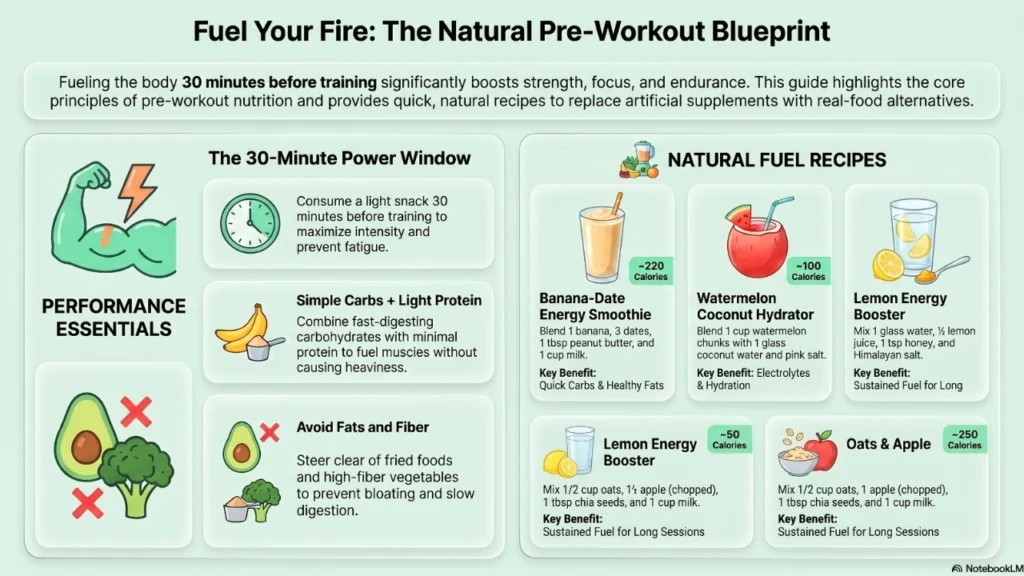
This is where the pre workout drink really shines. If you are literally about to walk out the door, you need something that enters your bloodstream almost instantly. Avoid anything heavy, fried, or very high in fiber. This is the perfect time for a banana, a couple of dates, or a glass of sattu. These simple sugars provide an immediate energy boost that your muscles can use right away.
Sattu: The Traditional Indian Powerhouse
I want to talk specifically about sattu because it is truly one of nature’s best gifts to the Indian kitchen. Sattu is essentially roasted gram flour, and its nutritional profile is spectacular for anyone looking for a natural pre workout drink. Unlike expensive imported protein powders that can cause bloating and gas, sattu is incredibly cooling and easy on the stomach.
What makes sattu so special for a non-gym audience is its balance. It is naturally high in plant-based protein (about 20 grams per serving) and rich in minerals like iron, magnesium, and potassium, which help prevent those annoying muscle cramps. For my diabetic friends, sattu has a low glycemic index, meaning it won’t cause your blood sugar to skyrocket and then crash. It provides a slow, steady release of energy that can carry you through a long evening of errands or a brisk morning walk.
Preparing Your Perfect Sattu Drink
Let’s simplify this into three easy ways you can make this at home today:
- The Classic Namkeen Sattu: Mix 2 tablespoons of sattu in a glass of chilled water. Add a squeeze of lemon, a pinch of black salt (kala namak), and some roasted cumin powder (jeera). This is perfect for the Indian summer because it hydrates you while giving you energy.
- The Jaggery Energizer: If you prefer something sweet, mix sattu with water and a small piece of crushed jaggery (gur). The jaggery provides a quick hit of glucose, while the sattu provides sustained energy. This is a much better option than a sugary energy drink.
- The Sattu Smoothie: For a more filling option, blend sattu with a banana and a little yogurt. This is great if you have missed lunch and need to fuel up for an evening session.
Nature’s Energy Gels: Whole Food Alternatives
I know it is hard to find time to prep complex meals, but you don’t need fancy supplements to feel energized. Your kitchen is already stocked with nature’s energy gels. For example, a single banana is packed with potassium and fast-acting carbs, making it the OG of pre-workout fuel.
If you are looking for something more portable, dates are an incredible choice. Two or three dates provide a concentrated source of glucose and fructose for instant fuel. When you stuff them with an almond or two, you add a bit of crunch and some healthy fats that help that energy last longer. For the homemaker who is always on the go, keeping a small container of dates and almonds in your bag is a lifesaver.
Millets and Ancient Grains
We also cannot overlook the power of millets, or Shree Anna. Grains like Ragi (finger millet) are rich in magnesium, which is essential for muscle function and heart health. A small ragi drink (ragi malt) or a few roasted millet crackers can be a fantastic way to fuel up an hour before your exercise. Millets release energy very slowly, which helps keep your blood sugar steady and keeps you feeling full for longer.
| Local Snack Option | Why It Works | Timing |
| Banana + 5 Soaked Almonds | Potassium for muscles + slow energy | 30 mins before |
| 2 Dates + 1 Walnut | Quick glucose + Omega-3s | 20 mins before |
| Sweet Potato Chaat | High fiber carbs + Beta-carotene | 1 hour before |
| Curd with Berries | Probiotics + light protein/carbs | 1 hour before |

The Supplement Question: Caffeine, Creatine, and Beta-Alanine
I often get asked about the powders and pills you see in the market. While they can be helpful for athletes, I want you to be careful. Many pre-workout supplements are loaded with massive amounts of caffeine sometimes as much as four cups of coffee in a single scoop!. This can cause your heart to race, make you feel anxious, and completely ruin your sleep if you take it in the evening.
Understanding Caffeine Limits
Caffeine can indeed give you an energy boost and help you focus, but more is not always better. The safe limit for most adults is about 400mg per day. If you are already drinking two or three cups of chai or coffee, adding a caffeine-heavy pre workout drink can push you into the danger zone. If you must have a boost, a simple cup of black coffee or green tea is much safer and cheaper than a fancy supplement.
Creatine and Beta-Alanine for the Non-Gym Audience
You might also hear about creatine or beta-alanine.
- Creatine helps your muscles produce energy during very short, intense bursts of movement, like sprinting to catch a bus or lifting a heavy grocery bag. While it is mostly found in red meat and fish, your body can make its own if you eat enough protein-rich plant foods like tofu, seeds, and legumes.
- Beta-Alanine is what causes that weird tingling sensation in some pre-workout powders. It helps your muscles buffer acid, which means you can walk or move for longer before feeling that burn. You can find it naturally in poultry and fish.
Honestly, for someone just looking to stay healthy and manage their diabetes, these supplements are rarely necessary. A well-balanced diet usually provides everything you need without the risk of side effects like dehydration or heart palpitations.

Hydration: The Silent Performance Partner
I know it’s hard to remember to drink water when you’re busy, but even mild dehydration can make your walk feel twice as hard as it actually is. When you are dehydrated, your blood becomes thicker, which means your heart has to pump harder to get oxygen to your muscles. For my diabetic friends, dehydration can also make your blood sugar readings look higher than they really are.
The goal is to be optimally hydrated before you even start. A good rule of thumb is to sip on about 400-500ml of water over the 90 minutes leading up to your activity. If you are working out in the heat of an Indian summer, you are losing more than just water; you are losing electrolytes like sodium and potassium through your sweat.
Coconut Water: The Natural Sports Drink
This is where coconut water becomes your best friend. It is naturally rich in electrolytes and is much better for you than those bright blue or neon green sports drinks you see in stores. It helps maintain your fluid balance and prevents those painful leg cramps that can happen after a long walk. If you are a professional working in an AC office, you might not feel thirsty, but you are still losing moisture. A glass of coconut water in the late afternoon is the perfect pre workout drink to prep your body for an evening session.
| Hydration Timing | Amount Recommended | Best Choice |
| 2-3 Hours Before | 500ml (2 cups) | Plain Water |
| 15 Mins Before | 250ml (1 cup) | Coconut Water or Sattu |
| During (if >30 mins) | Small sips every 15 mins | Water or Electrolyte mix |
| After | 500ml for every 0.5kg lost | Water + pinch of salt |
Practical Steps for Busy Professionals and Homemakers
I know your schedule is unpredictable. What this means for your daily routine is that you need a Plan B for the days when you can’t have a perfect meal. If you’re a professional and an afternoon meeting runs late, don’t skip your walk just because you haven’t eaten. A quick handful of roasted chana or a small piece of fruit can be enough to get you through a 20-minute session.
For homemakers, I recommend making your pre-workout fuel part of your kitchen routine. When you’re packing tiffins in the morning, set aside a small bowl of curd or soak a few almonds and raisins for yourself. Having it ready on the counter makes it much more likely that you’ll actually eat it before you head out for your evening walk.
The Power of Small Changes
Remember, you don’t have to spend hours at the gym to see results. Even a 10-minute walk after dinner can significantly lower your blood sugar. The key is consistency. By choosing a simple, home-based pre workout drink, you are removing the barriers that make exercise feel complicated. You are making health a natural part of your day, not another task on your to-do list.

Frequently Asked Questions (FAQs)
1. Can I drink coffee as a pre workout drink if I have diabetes?
Yes, you can have a small cup of black coffee, but be mindful. Caffeine can sometimes cause a slight rise in blood sugar for some people. It’s best to monitor your levels and avoid adding sugar or heavy cream. If you exercise in the evening, avoid coffee as it may interfere with your sleep.
2. Is sattu better than whey protein for a non-gym audience?
For most people who are walking, doing yoga, or light exercise, sattu is an excellent choice. It is a whole food, rich in fiber and minerals, and much easier to digest than whey protein, which can cause bloating. Plus, it is a much more affordable and natural option for the Indian household.
3. What is the best pre workout drink for immediate energy?
If you need energy within 15-20 minutes, a glass of coconut water with a teaspoon of honey or a couple of mashed dates is your best bet. These provide simple sugars that your body can absorb almost instantly to fuel your muscles.
4. Should I eat before a morning walk if I have Type 2 diabetes?
It depends on your medication. If you are on medicines that can cause low blood sugar, a small snack like a banana is essential. If you are not at risk for lows, you might not need to eat, but a light pre workout drink like sattu can give you more stamina and prevent you from feeling overly hungry later in the day.
5. How much water should I drink before my exercise?
Aim for about 1 to 2 cups (250-500ml) of water about an hour before you start. This ensures you begin your activity well-hydrated without having a stomach full of sloshing liquid, which can be uncomfortable while moving.
Conclusion: Your Roadmap to Sustainable Energy
I know it’s hard to change your habits, but fueling your body correctly is the kindest thing you can do for yourself. Whether it’s a refreshing glass of sattu lemonade or a simple banana, your pre workout drink is the key to making exercise feel good rather than exhausting. By understanding your body’s needs especially if you’re managing diabetes you can take control of your energy and your health.
Let’s simplify this journey together. You don’t need to be an athlete to deserve good nutrition. You just need to be someone who cares enough about themselves to take that first step. I’m here to support you every step of the way, from your first sip to your last stride.
Ready to transform your health with a plan that actually fits your busy life?
Our expert dietitians at DietDekho are ready to help you create a personalized nutrition and exercise roadmap. Let’s make your health goals a reality.
Contact Us
We understand how overwhelming nutrition and weight loss information can feel. With so many opinions and confusing advice online, it’s easy to feel stuck or unsure about what to do next.
At Diet Dekho, you never have to figure it out alone. You can contact us anytime with any questions or concerns. Our expert dietitians are available 24/7 to guide, support, and help you stay on track. Whether your goal is weight loss or building healthier habits, we’re here to make the journey simpler and more sustainable for you.
Disclaimer
This blog is intended to help readers make healthier food choices. Your health should always be the top priority. Before starting any restrictive or special diet, especially if you have a medical condition or health concern, please consult a doctor or a qualified dietitian. Each body responds differently to food and lifestyle changes. Always choose what is safe and suitable for you.

Abhinav is the Founder of Diet Dekho, helping people manage weight and lifestyle health through simple, practical nutrition and personalized diet plans.