Imagine waking up on a busy Tuesday morning. You’re already behind on your emails. Then, you notice strange, tiny purple spots on your shins. You feel a heavy, unexplained fatigue that coffee just cannot fix. For many busy professionals and parents in India, these small signs are the first hint of poor blood health. When a lab report shows your numbers have dipped, learning how to increase low platelet count becomes your top priority. This is especially true if you are balancing a condition like diabetes. I know it’s hard to find time for medical research when you’re juggling a career and a home. Let’s simplify this journey together. This doesn’t mean a complete life overhaul. Instead, we’ll focus on smart, science-backed additions to your plate. These support your body’s natural ability to heal and regenerate.
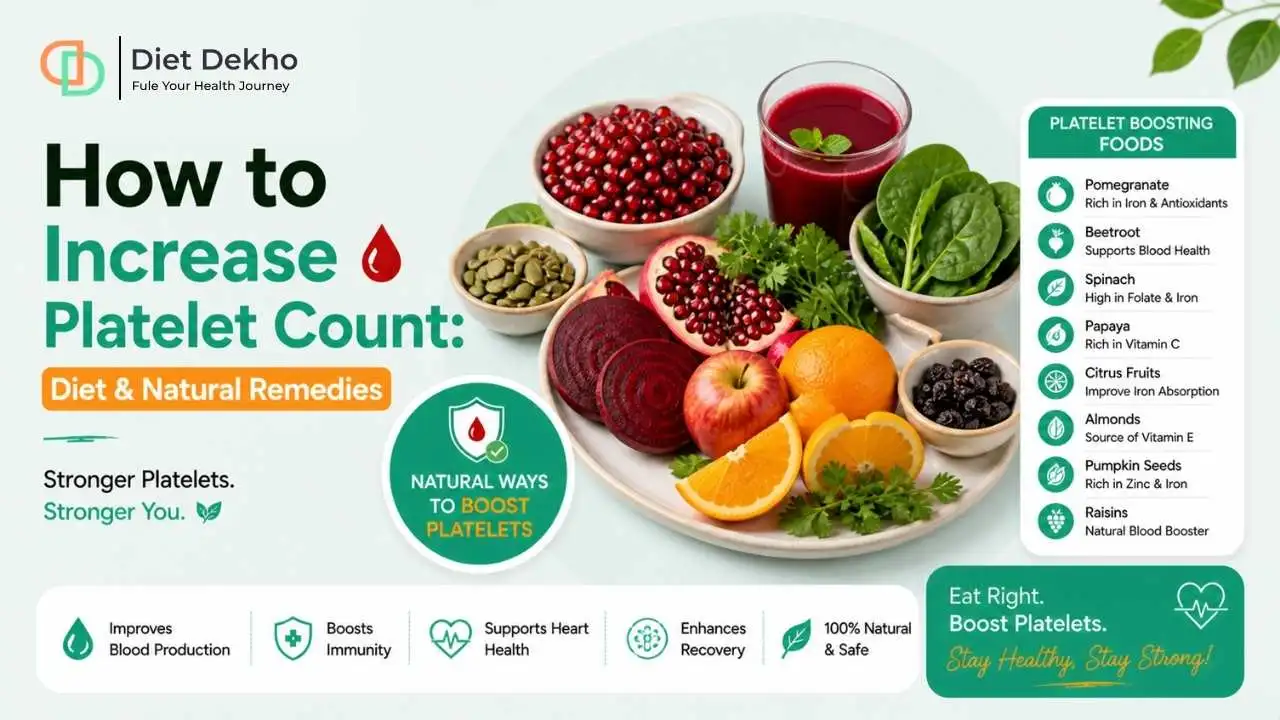
To increase your platelet count naturally, focus on a diet rich in Vitamin B12, folate, iron, and Vitamin C. Foods like papaya leaf extract, wheatgrass, and pomegranate can stimulate bone marrow production. Staying hydrated and avoiding alcohol are also vital steps. These actions help your body recover from infections like dengue or nutritional gaps.
Understanding the Vital Role of Platelets in Your Body
Platelets, or thrombocytes, are more than just numbers on a blood test. They are tiny cell fragments that act as your body’s first responders. When a blood vessel is damaged, these cells rush to the site. They stick together and form a plug to stop bleeding. A healthy adult typically has 150,000 to 450,000 platelets per microliter of blood.
How the Bone Marrow Works
The lifespan of a platelet is remarkably short. They usually last only about 8 to 10 days in the bloodstream. This means your bone marrow must constantly manufacture new ones. I know it sounds overwhelming to think about your body working that hard. However, this constant turnover is why your diet has such a profound impact. If you provide the right raw materials, your marrow can often keep up with the demand.
The Impact of Infections
Production is regulated by a complex signaling system. In health, your body maintains a perfect balance between production and destruction. Viral infections like dengue or malaria shift this balance. In India, we often see dengue panic syndrome. This is when people worry the moment their count drops. Research from AIIMS Delhi suggests the absolute number is often less important than clinical symptoms like rashes or bleeding.
| Platelet Count Range | Clinical Meaning | Typical Symptoms |
| 150,000 – 450,000 | Normal | None; healthy clotting |
| 100,000 – 149,000 | Mildly Low | Usually no symptoms |
| 50,000 – 99,000 | Moderately Low | Easy bruising; slow clotting |
| Below 50,000 | Severely Low | Petechiae (spots); nosebleeds |
| Below 20,000 | Critically Low | High risk of internal bleeding |

Identifying the Signs of Low Platelets in Your Daily Life
Recognizing symptoms early can save you a lot of stress. If you are a busy homemaker, you might dismiss fatigue as a side effect of a long day. But it is often the first sign that your body is struggling. In Hindi, we call this kamzori (weakness). Medically, it is tied to metabolic stress .
Common Symptoms You Might Notice
One distinct sign is the appearance of petechiae. These are tiny, pinpoint red or purple spots on your skin. They often appear on the lower legs. They look like a rash but do not itch. You might also notice bleeding gums when you brush your teeth. Sometimes a small kitchen cut takes much longer to stop bleeding . For women, unusually heavy or prolonged menstrual periods are a significant indicator .
Serious Red Flags to Act On
Severe signs require immediate medical attention. Consult a doctor if you see blood in your urine or black tarry stools . These symptoms suggest the body can no longer seal internal vessels effectively. Catching these signs early allows for simpler dietary and medical help.

Why Do Platelets Drop? Causes and Risks
Several reasons can cause your platelet count to drop. In the Indian context, viral infections are the most frequent culprits. Dengue, malaria, and chikungunya are notorious for causing a rapid decline. These viruses attack the bone marrow and cause the immune system to destroy existing platelets quickly.
Nutritional Gaps and Bone Marrow Health
Nutritional deficiencies are the second most common cause. If your body lacks Vitamin B12, folate, or iron, it cannot make enough new cells . I often see this in busy professionals who skip meals. Alcohol consumption is another factor. It acts as a toxin to the bone marrow and slows down cell production .

The Intersection of Diabetes and Platelet Health
I know it’s hard to manage two health conditions at once. If you have diabetes, your platelet health is tied to blood sugar control. Poor glycemic control, shown by high HbA1c levels, is linked to hyperreactive platelets . These platelets get used up faster. During dengue, diabetic patients often experience a more severe drop in counts .
What this means for your routine is simple. When learning how to increase low platelet count, you cannot just load up on sugary juices. You need solutions that support counts without spiking glucose. For example, a whole pomegranate is better for a diabetic than a glass of juice. This is because the fiber slows down sugar absorption.

Vitamin B12: The Foundation of Blood Cell Production
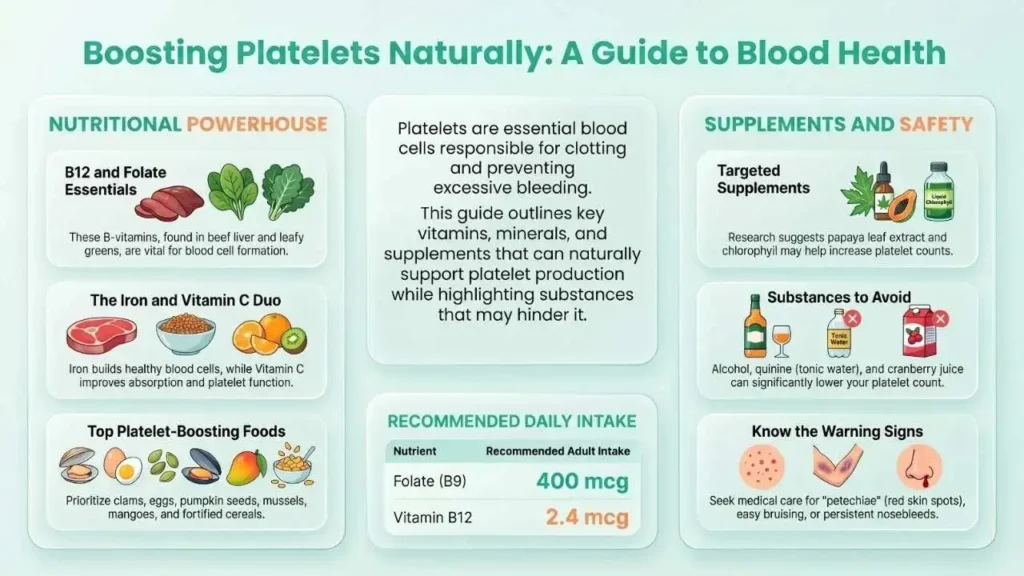
Vitamin B12 is essential for keeping your blood cells healthy. A deficiency is a primary reason for low counts. This vitamin is needed for DNA synthesis in the bone marrow. Most adults need about 2.4 mcg of B12 daily . For those who don’t go to the gym, getting this through food is easier than remembering a pill.
Animal and Plant-Based Sources
The best sources are animal-based, including eggs, milk, and fish. However, many Indian households follow a vegetarian diet. You must look toward fortified foods. Fortified cereals and almond milk are great ways to sneak this into your morning routine .
| B12 Source | Food Item | Benefits for Platelets |
| High Source | Beef liver, Clams | Rapidly restores marrow health |
| Moderate Source | Salmon, Tuna, Eggs | Supports steady production |
| Vegetarian Option | Fortified milk, Cereals | Essential for plant diets |
| Dairy | Low-fat curd, Paneer | Provides B12 and calcium |

Folate (Vitamin B9): Fuel for the Bone Marrow
Folate plays a critical role in forming blood cells. A deficiency leads to reduced platelets because the bone marrow cannot work effectively . Healthy adults should aim for at least 400 mcg of folate every day .
For the busy professional, the easiest way to get folate is through leafy greens. Spinach (palak) and fenugreek (methi) are staples in Indian kitchens . Legumes like lentils (dal), kidney beans (rajma), and chickpeas are also fantastic . According to the National Institutes of Health (NIH), getting folate from whole foods is generally safer than relying on high-dose supplements .

Iron-Rich Foods: Building Better Blood
Iron is vital for healthy platelet production . If you have iron-deficiency anemia, your count is likely to be low. Men and older women need about 8 mg of iron daily. Women between 19 and 50 need about 18 mg.
In India, we have access to incredible traditional iron sources. Pomegranate is a favorite for blood health . Beetroot is another powerhouse. You can grate it into salads or make a simple beetroot-carrot juice . Snacking on pumpkin seeds and raisins provides a steady iron boost throughout the day .

Vitamin C: Protecting Your Current Platelets
Vitamin C does more than boost immunity. It helps your platelets function better and cluster together to form clots . It also acts as an antioxidant. This protects platelets from destruction by free radicals during infections like dengue.
Citrus fruits like oranges, lemons, and sweet lime (mosambi) are excellent. Kiwi is another superstar for platelet health. It provides both Vitamin C and potassium for energy . Amla (Indian Gooseberry) is the most concentrated source we have. Eating just one or two amlas a day can provide a massive boost to your blood health .

The Power of Vitamin K and Vitamin D
Vitamin K is necessary for the liver to produce proteins that help blood clot. Without it, even a normal number of platelets can’t do their job. Find Vitamin K in green vegetables like broccoli, spinach, and kale .
Vitamin D plays a regulatory role. It is essential for the function of bone marrow stem cells. Urban Indians are often deficient because we spend so much time indoors. Including egg yolks, mushrooms, and fortified milk in your diet can help bridge this gap .
Papaya Leaf Extract: The Traditional Platelet Booster
Papaya leaf extract is the most talked-about natural remedy in India. Clinical trials show that this extract can significantly increase platelet counts within 24 to 48 hours. It works by stimulating the bone marrow and increasing the activity of genes responsible for production.
Let’s simplify the prep. If you have fresh leaves, grind two into a paste and squeeze out the juice. The dose is usually 30ml taken twice a day. I know the juice is very bitter and can cause nausea. Many people now prefer taking papaya leaf extract capsules. These are available in Indian pharmacies and offer the same benefits without the taste.
Wheatgrass and Giloy: Ancient Wisdom
Wheatgrass juice is often called green blood. Its chlorophyll molecule is nearly identical to our hemoglobin. This makes it a potent tonic. It contains magnesium, potassium, and amino acids . Giloy (Tinospora cordifolia) is another Ayurvedic powerhouse. It reduces the destruction of platelets during an infection . It is often taken as a juice mixed with Tulsi and black pepper .
| Natural Remedy | Recommended Dose | Primary Benefit |
| Papaya Leaf Extract | 30ml twice daily | Rapidly increases count |
| Wheatgrass Juice | 1/2 cup daily | Supports blood production |
| Giloy Juice | 20ml with water | Boosts immunity |
| Aloe Vera Extract | 1-2 tbsp daily | Lowers blood sugar |
Hydration: The Often Overlooked Essential
When you are sick, it is easy to forget to drink water. But hydration is the foundation of healthy blood. Dehydration makes your blood thicker. This can impair circulation and make it harder for platelets to reach where they are needed .
Coconut water is a favorite for dengue recovery. It is packed with electrolytes like potassium and magnesium. I know it’s hard to drink 10 glasses of water. Try to keep a bottle at your desk at all times . Avoid sugary sodas and excessive coffee. These can lead to further dehydration and inflammation .
Foods and Habits to Avoid
Knowing what to remove is just as crucial for your platelet count. Some common items can suppress your bone marrow or interfere with clotting.
- Alcohol: This acts as a direct toxin to your bone marrow.
- Processed Foods: High sugar intake increases inflammation and oxidative stress.
- Quinine (Tonic Water): Quinine can cause a sudden, severe drop in platelets .
- Excessive Garlic: While healthy in small amounts, they are natural blood thinners.

A Sample Meal Plan for Busy Indians
This plan is designed to be high in folate, B12, iron, and Vitamin C while being mindful of blood sugar.
- Early Morning: A glass of warm water with lemon or Giloy juice. 5 soaked almonds.
- Breakfast: Moong Dal Chilla with plenty of spinach and grated carrots.
- Mid-Morning: A bowl of fresh papaya chunks or a whole pomegranate.
- Lunch: Two multigrain rotis, a bowl of Palak Paneer, and a large beetroot salad.
- Evening Snack: Coconut water and a small bowl of roasted makhana.
- Dinner: A light bowl of vegetable-rich brown rice khichdi or grilled fish.
- Before Bed: A small glass of warm turmeric milk (haldi doodh) .
Lifestyle Tips for Better Recovery
Managing your platelet count is also about how you treat your body outside of meal times.
- Prioritize Sleep: Your body does its most important repair work while you sleep . Aim for 7-9 hours of restful sleep .
- Manage Stress: Chronic stress keeps your body in fight or flight mode. This can increase inflammation and slow down healing .
- Avoid Smoking: Smoking damages your blood vessels and can negatively impact your bone marrow .
When to Consult a Specialist
These dietary tips are supportive, but they are not a replacement for medical advice. A normal range is 150,000 to 450,000. According to Harvard Health, if your count drops below 50,000, you need careful medical monitoring. If it falls below 20,000, you are in a critical zone where spontaneous bleeding can occur .
FAQs: Your Quick Guide to Platelet Recovery
Q: Can I increase my platelet count in just 2 days?
A: There is no instant fix. However, natural remedies like papaya leaf extract start raising counts within 24 to 48 hours. Focusing on hydration and nutrient-dense foods supports this rapid recovery.
Q: Which fruits are the absolute best for low platelets?
A: Papaya (and its leaves), pomegranate, kiwi, amla, and oranges are the top choices . They provide the mix of Vitamin C, iron, and phytonutrients needed for blood health.
Q: Is it safe to exercise when my platelets are low?
A: Avoid intense or contact sports like football. These increase the risk of internal bleeding or severe bruising . Stick to gentle activities like walking to maintain circulation.
Q: What is the most important vitamin for platelets?
A: It is a team effort. Vitamin B12 and Folate are critical for producing cells in the bone marrow . Vitamin C and Vitamin K are essential for helping those platelets function and clot correctly .

Conclusion: Taking Control of Your Health Today
Dealing with a health scare while managing a busy life is stressful. But these small, supportive choices can make a difference. Choosing a pomegranate or drinking coconut water can help your recovery. These steps add up to a stronger, more resilient you.
If you are struggling to balance your diet with your diabetes, we are here to help. We can create a plan that fits your life. Don’t wait for your next blood report. Start by adding one or two of these foods today and give your body the tools it needs.
Take the first step toward better blood health and personalized nutrition.
Contact Us
We understand how overwhelming nutrition and weight loss information can feel. With so many opinions and confusing advice online, it’s easy to feel stuck or unsure about what to do next.
At Diet Dekho, you never have to figure it out alone. You can contact us anytime with any questions or concerns. Our expert dietitians are available 24/7 to guide, support, and help you stay on track. Whether your goal is weight loss or building healthier habits, we’re here to make the journey simpler and more sustainable for you.
Disclaimer
This blog is intended to help readers make healthier food choices. Your health should always be the top priority. Before starting any restrictive or special diet, especially if you have a medical condition or health concern, please consult a doctor or a qualified dietitian. Each body responds differently to food and lifestyle changes. Always choose what is safe and suitable for you.

Abhinav is the Founder of Diet Dekho, helping people manage weight and lifestyle health through simple, practical nutrition and personalized diet plans.