You have likely sat in a doctor’s office, looking at a lab report that feels like a foreign language, only to notice one specific number highlighted in red. If you are a busy professional or a dedicated homemaker trying to manage your health, understanding how to raise your levels without a gym membership is the first step toward reclaiming your heart’s future. I know it is overwhelming to hear that your good cholesterol is low, especially when you feel like you are already doing your best to keep up with a demanding schedule.
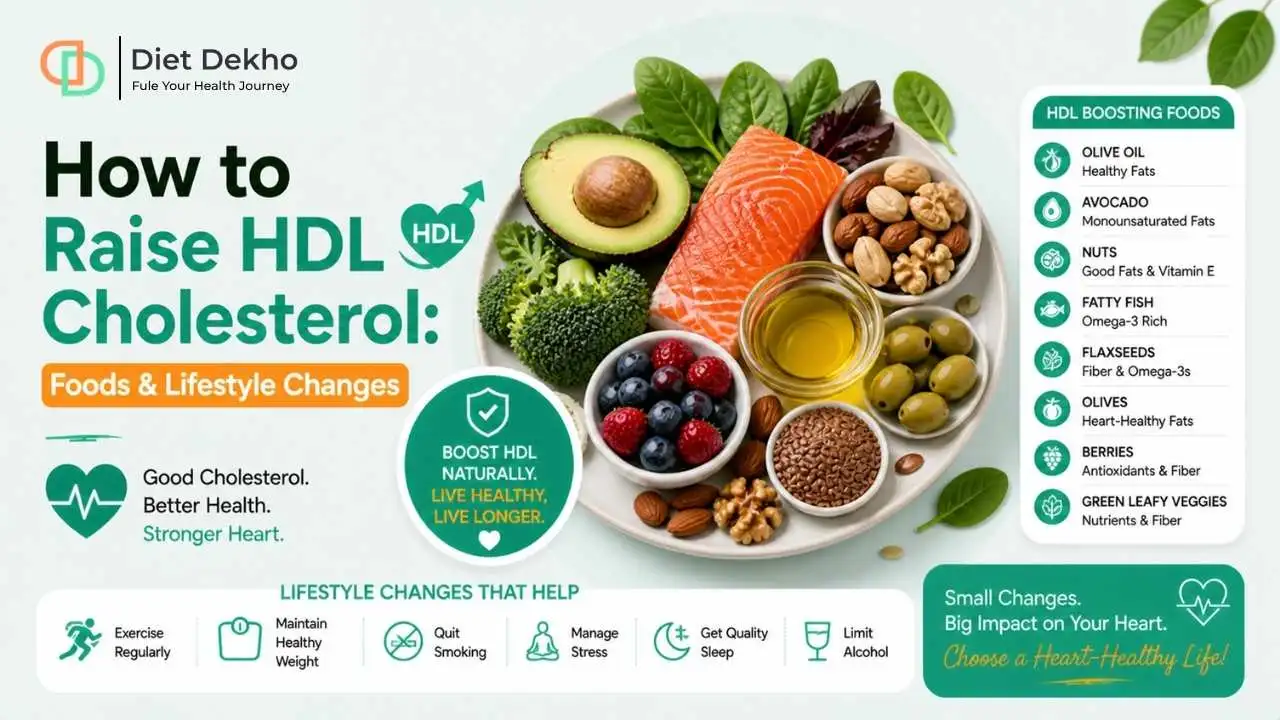
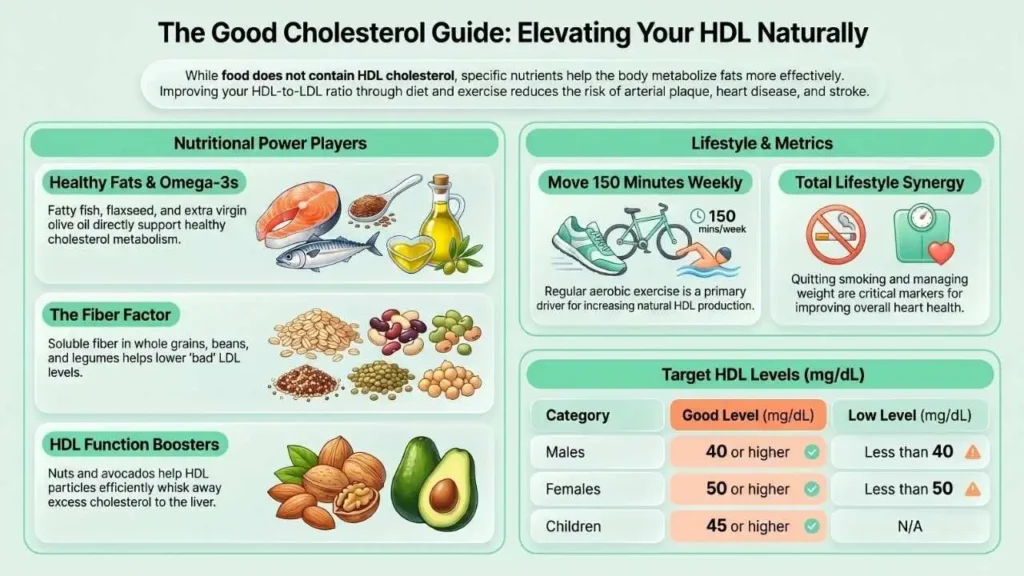
To raise your HDL cholesterol effectively, you must replace saturated and trans fats with monounsaturated fats from olive oil and nuts, while increasing your daily intake of soluble fiber through oats and legumes. Incorporating 150 minutes of weekly moderate-intensity aerobic activity, such as brisk walking, and achieving a 5-10% weight reduction significantly improves your lipid profile.
The Genetic Paradox of the Indian Heart
We need to address a difficult truth about our heritage: the South Asian population faces a unique metabolic challenge known as the thin-outside-fat-inside phenotype. You might look at your reflection and see a relatively lean frame, yet your bloodwork tells a different story of high triglycerides and low HDL levels. This is not a personal failure; it is a genetic predisposition that makes us more vulnerable to visceral obesity and type 2 diabetes even at a lower Body Mass Index (BMI).
What this means for your daily routine is that standard Western advice might not be enough to protect your arteries. We are genetically more prone to carrying fat around the waist, which acts as a chemical factory, producing substances that lower our good cholesterol and raise our risk of heart disease. Understanding this allows us to stop blaming ourselves and start focusing on the specific nutritional and lifestyle levers that work for our unique physiology.
Biological Mechanisms of Reverse Cholesterol Transport
To understand why we prioritize certain foods, we have to look at how high-density lipoprotein actually works within your body. Think of HDL as a fleet of specialized garbage trucks patrolling your bloodstream. Their primary job is a process called reverse cholesterol transport, where they pick up excess fat-the garbage-from your artery walls and transport it back to the liver to be recycled or disposed of.
When your HDL is low, it means there are not enough trucks on the road to keep the highways of your circulatory system clear. This leads to the buildup of plaque, which can eventually block blood flow and cause a heart attack or stroke. It is not just about the number of trucks, though; it is about how well they function. Recent studies suggest that lifestyle-boosted HDL is a better garbage truck than the kind increased through certain medications.
| Lipoprotein Type | Common Name | Primary Function | Ideal Range |
| HDL | Good Cholesterol | Transports excess fat to the liver for disposal. | >40 mg/dL (Men), >50 mg/dL (Women). |
| LDL | Bad Cholesterol | Deposits fat into the artery walls, creating plaque. | <100 mg/dL. |
| Triglycerides | Blood Fat | Stores unused calories as fat for energy. | <150 mg/dL. |
The Complexity of HDL Particle Size
Not all good cholesterol is created equal, as HDL particles come in different shapes and sizes, ranging from small and dense to large and buoyant. Some are spherical, while others are doughnut-shaped, and their ability to pluck excess cholesterol from your artery walls varies depending on this geometry. This is why simply taking a pill to raise the count does not always prevent heart attacks; the quality of the particle matters as much as the quantity.
When we use lifestyle changes to improve these numbers, we are actually training our bodies to produce higher-quality HDL particles. Research from Harvard indicates that while genetic factors play a major role in your baseline levels, the functional capacity of your HDL is highly responsive to the quality of the fats you eat and the consistency of your movement.
The Diabetes Connection and Lipotoxicity
For those of you managing diabetes, the struggle with cholesterol is often a double-edged sword. Chronic hyperglycemia, or high blood sugar, leads to a concept known as glucotoxicity, but we must also worry about lipotoxicity. In India, over 80% of newly diagnosed diabetic patients have at least one cholesterol abnormality, with low HDL being the most frequent risk factor, affecting over 55% of the population.
Low HDL levels are not just a symptom of diabetes; they may actually predict its development. HDL particles exert a protective role by improving the secretory function of pancreatic beta-cells, which are responsible for producing insulin. When your HDL is high and functional, it helps prevent these vital cells from dying off, effectively acting as a shield for your pancreas.
Protecting the Pancreatic Beta-Cells
Inside your pancreas, beta-cells have specific receptors that bind to lipoproteins. While high levels of bad LDL can induce apoptosis (cell death) in these insulin-producing units, good HDL does the opposite. It antagonizes the destructive processes and increases insulin secretion by up to five-fold in laboratory settings.
What this means for your daily routine is that every heart-healthy meal you eat is also a diabetes-management meal. By focusing on foods that support HDL, you are directly supporting your body’s ability to regulate its own blood sugar. This dual benefit is why I always emphasize a holistic approach rather than just focusing on one number on a lab report.

Nutritional Interventions: The Heart-Healthy Indian Plate
Let’s simplify your kitchen strategy by focusing on strategic swaps that don’t require you to give up the flavors you love. A heart-healthy Indian eating pattern is naturally rich in plant-based foods, whole grains, and lentils. The problem often lies in the hidden trans fats and refined carbohydrates that have crept into our modern diets.
The Power of Monounsaturated Fatty Acids (MUFAs)
I often tell my clients that fats are not the enemy; the wrong types of fats are. Monounsaturated fats, like those found in extra virgin olive oil and avocados, are the gold standard for raising HDL. These fats help lower the bad LDL that clogs your arteries while boosting the good HDL that cleans them up.
- Extra Virgin Olive Oil: Rich in oleic acid and polyphenols, it protects your heart from inflammation while balancing your cholesterol.
- Avocados: A study from Harvard followed 111,000 people for 30 years and found that just one avocado a week lowered heart disease risk by 16%.
- Mustard Oil: A traditional favorite in many Indian homes, it is rich in MUFAs and omega-3s, making it a better choice than refined vegetable oils.
Incorporating Nuts and Seeds for a Niacin Boost
If you are looking for a quick snack that does double duty for your heart and your energy levels, look no further than a handful of nuts. Almonds, walnuts, and cashews are packed with Vitamin B3, also known as Niacin, which is one of the few nutrients that directly helps the liver produce more HDL.
| Nut/Seed Variety | Key Nutrient for HDL | Health Implication |
| Walnuts | Omega-3 Fatty Acids | Helps protect the heart and lower triglycerides. |
| Almonds | Vitamin B3 (Niacin) | Supports heart health and improves HDL function. |
| Cashews | Oleic & Stearic Acid | Helps lower LDL and has a neutral effect on total cholesterol. |
| Flaxseeds | Alpha-linolenic Acid | Reduces inflammation and provides soluble fiber. |
| Chia Seeds | Soluble Fiber | Binds to cholesterol in the gut to remove it from the body. |
The Role of Soluble Fiber in Cholesterol Clearance
I know it is hard to find time to cook elaborate meals, but a simple bowl of oats can be a game-changer for your cholesterol. Oats contain a special type of fiber called beta-glucan. This fiber creates a gel-like substance in your intestines that traps cholesterol and prevents it from being reabsorbed into your bloodstream.
Beyond oats, our Indian kitchens are full of high-fiber heroes like moong dal, rajma, and chickpeas. These legumes provide the plant-based protein we need without the saturated fat found in red meat. When you fill half your plate with vegetables like spinach (palak) or okra (bhindi), you are giving your body the tools it needs to naturally flush out excess fat.
Lifestyle Interventions for the Busy Professional
If you spend eight to ten hours a day at a desk, you might feel like your lifestyle is working against your heart. You are not alone; over half of urban Indians do not meet the recommended activity targets. But here is some encouraging news: you don’t have to be a marathon runner to see an improvement in your HDL. Consistent, moderate-intensity movement is actually better for your lipid profile than sporadic, high-intensity workouts.
Aerobic Exercise as a Metabolic Catalyst
Aerobic exercise, like a brisk walk, gets your heart rate up and improves the way your body handles insulin. Research shows that just 30 minutes of brisk activity most days of the week can boost your HDL by 5 to 10 points. I always suggest to my clients that if you can’t find a 30-minute block, three 10-minute walks throughout the day are just as effective.
- Brisk Walking: The simplest and most accessible tool we have. It requires no equipment and can be done during a lunch break or while on a phone call.
- Cycling: Excellent for those who need a low-impact option that is easy on the joints while still providing a cardiovascular challenge.
- Dancing: A fun way to get your heart rate up at home. Whether it’s Bollywood or folk dance, the movement helps clear out arterial plaque.
Desk-Friendly Movements for Office Hours
I know it’s hard to find time to get away from your computer, so let’s bring the movement to you. Deskercises are a fantastic way to counteract the negative effects of prolonged sitting. Setting a timer every 60 minutes to stand up or stretch for just two minutes can have a measurable impact on your blood sugar and cholesterol over time.
- Leg Raises: While seated, straighten your legs and hold them parallel to the floor for 10 seconds. Repeat this 15 times to engage your core and thighs.
- Desk Dips: Use a sturdy desk to perform 20 triceps dips. This resistance training helps build muscle, which burns more calories even when you are resting.
- Torso Twists: Sit upright and rotate your body from the waist to each side. This helps maintain spinal flexibility and relieves the tension that builds up during long work sessions.
| Exercise Type | Recommended Duration | Primary Benefit for HDL |
| Brisk Walking | 30 Minutes Daily. | Directly increases HDL particle count. |
| Resistance Training | 2 Sets of 10-15 Reps. | Reduces triglycerides and builds lean muscle. |
| Yoga/Stretching | 10-20 Minutes Daily. | Reduces cortisol and systemic inflammation. |
| Standing Breaks | 2 Minutes Every Hour. | Improves blood circulation and glucose metabolism. |
The Homemaker’s Kitchen: Culinary Shifts for Heart Health
The kitchen is the heart of the Indian home, and as a homemaker, you have the power to be the guardian of your family’s cardiovascular health. Small changes in how we prepare our traditional meals can lead to a massive reduction in the risk of heart disease. We don’t need fancy ingredients; we just need to use our existing spices and grains more strategically.
Heart-Friendly Cooking Methods
Deep frying is a common practice in many households, but it is one of the quickest ways to lower your HDL. When oil is heated to high temperatures repeatedly, it forms toxic compounds and trans fats that are devastating to your arteries. Instead, try to embrace methods that preserve the nutrients in your food while minimizing the need for added fat.
- Pressure Cooking: Ideal for lentils and beans, it uses less oil and retains the majority of the food’s nutritional value.
- Steaming: Perfect for idlis and vegetables, this method uses no oil and ensures you get the full benefit of the vitamins and minerals.
- Air Frying: If your family loves the crunch of pakoras, an air fryer can give you that same texture with 80% less oil.
Selecting the Right Fats for Your Tadka
There has been a lot of debate about ghee and coconut oil recently. While pure cow ghee can be used in very small amounts (about one teaspoon a day), we must be careful not to overindulge. Ghee is high in saturated fat, which can raise your bad cholesterol if you aren’t active enough to burn it off.
For your daily cooking, I recommend rotating between heart-healthy liquid oils like mustard, groundnut, and sunflower oil. These oils are rich in unsaturated fats that actively support your good cholesterol levels. Avoid vanaspati or hydrogenated vegetable fats at all costs, as these are the primary sources of dangerous trans fats in the Indian diet.

Statistical Insights into the Indian Heart Crisis
To understand why we are taking these steps, we have to look at the scale of the challenge we face. Heart disease is India’s biggest health threat, accounting for nearly 24% of all cardiovascular deaths globally. Even more concerning is that heart attacks among adults younger than 45 have risen by 13% since 2020.
The Impact of Modern Lifestyles
Our modern world has brought convenience, but it has also brought sedentary habits and irregular meals. Long hours of sitting, late-night screen time, and frequent app-ordered food have created a metabolic profile where your age and appearance no longer predict your cardiac risk. In fact, one in four Indians has abnormal cholesterol and low HDL, often without any obvious red flags like obesity.
| Risk Factor | Prevalence in Indian Adults | Implication for Heart Health |
| Dyslipidemia | 79% of Population. | Low HDL is the most frequent abnormality. |
| Hypertension | 29% of Population. | Only 12% have it under control. |
| Diabetes | 101 Million People. | Major driver of premature heart attacks. |
| Prediabetes | 136 Million People. | Early intervention window for cholesterol. |
The Iceberg Warning
Dr. R. Govindarajan, a leading expert, cautions that elevated cholesterol in your twenties can quietly damage blood vessels for years. The first heart attack you see in a peer group is often just the tip of a much older iceberg. This is why I urge you to get your lipid profile checked by age 25, especially if you have a family history of diabetes or heart issues.

The 30/30/30 Rule: A Practical Morning Routine
One of the most effective strategies I share with my clients at DietDekho is the 30/30/30 rule. This simple morning flow helps stabilize your blood sugar and manage the hormones that control your hunger and cholesterol. It is particularly useful for those struggling with the morning rush.
- 30 Grams of Protein: Within 30 minutes of waking up, eat a protein-rich breakfast. This could be a bowl of Greek yogurt with nuts, three egg whites, or a sprout-rich moong dal chilla. Protein reduces the hunger hormone ghrelin and keeps you full.
- 30 Minutes of Movement: Follow your breakfast with 30 minutes of low-intensity exercise, such as a brisk walk. This keeps your heart rate in the fat-burning zone and allows your body to tap into fat stores without spiking stress hormones like cortisol.
- The Result: By doing this, you are lowering your insulin levels, which allows for better fat oxidation and protects your muscles during the day.
Weight Loss: The 5-10% Target
I know the idea of losing 20 or 30 kilograms feels impossible when you are already stretched thin. But let’s simplify the goal. Studies show that losing just 5% to 10% of your current body weight can drastically improve your HDL cholesterol and blood pressure.
For someone weighing 80 kg, losing just 4 to 8 kg over a few months can transform your metabolic markers. This weight loss should come primarily from reducing abdominal fat, which is the most dangerous type of fat for your heart. Instead of a crash diet, focus on sustainable changes like swapping white rice for brown rice or ragi, and cutting out sugary drinks like colas and sweetened teas.

Habits to Break: Smoking and Alcohol
We cannot talk about hdl how to raise your levels without addressing the habits that actively tear them down. Smoking is perhaps the most significant modifiable risk factor for low HDL. Tobacco smoke contains chemicals that directly reduce the count of your good cholesterol particles and make the ones you have less effective at their job.
The Benefits of Quitting
The good news is that your heart starts healing the moment you stop. Within weeks of quitting, your circulation improves and your HDL levels gradually begin to climb. If you have tried to quit before and failed, please keep at it; most people require several attempts before they succeed for good.
As for alcohol, while some people believe that red wine can help, the medical consensus is clear: if you don’t already drink, do not start for the sake of your heart. Alcohol can lead to weight gain and high triglycerides, which ultimately lower your HDL and put more strain on your liver. If you do choose to drink, keep it to one serving a day for women and two for men.

Psychology of Health Management
Managing your health when you are busy is as much a mental challenge as it is a physical one. Chronic stress is a silent BP escalator and a major contributor to poor cholesterol levels. When we are stressed, our bodies produce cortisol, which can increase our cravings for high-fat, sugary comfort foods that lower our HDL.
Finding Your Joyful Movement
I always tell my patients to find the movement that brings them joy. If you hate the treadmill, don’t use it. Play with your children, walk your dog, or practice yoga in your living room. The more you enjoy the activity, the more consistent you will be, and consistency is what ultimately changes your blood reports.
Sleep is another overlooked factor. Urban Indians average only about six hours and ten minutes of sleep a night, but we need seven to eight hours for our metabolic systems to function correctly. Poor sleep increases blood pressure and blood sugar, making it harder for your body to maintain healthy HDL levels.
Practical Meal Ideas for the Indian Household
Let’s look at a sample day that fits our cultural preferences while maximizing our heart health.
| Meal Time | Traditional Choice | Heart-Healthy Swap | Why it Works |
| Breakfast | White Rice Poha | Vegetable Poha with Peanuts and Peas. | Adds fiber and healthy fats from peanuts. |
| Lunch | White Rice & Mutton | Brown Rice & Grilled Fish/Dal. | Omega-3s from fish and fiber from brown rice. |
| Snack | Fried Samosa | Roasted Chana or Handful of Walnuts. | High in protein and Vitamin B3 (Niacin). |
| Dinner | Butter Naan & Paneer | Whole Wheat Roti & Tofu/Lentils. | Replaces saturated fat with plant-based protein. |
Managing Portions with the Small Bowl Logic
I suggest using the small bowl logic to manage your calories without feeling deprived. Serve your lentils (dal) in a 100ml bowl and keep your grains to a fist-sized portion. Fill half your plate with colorful vegetables like carrots, beets, and leafy greens. This ensures you get a wide variety of antioxidants and nitrates that relax your blood vessels and improve blood flow.
FAQs: Your Questions Answered
What foods increase HDL the fastest?
There is no magic bullet or quick fix, but adding more healthy fats like olive oil, avocados, and fatty fish, combined with fiber-rich oats and beans, is the most effective dietary path. Consistency over several months is what leads to measurable changes in your blood report.
Can I raise my HDL if I have diabetes?
Yes, and it is actually critical that you do. Raising HDL through a balanced diet and exercise helps protect your pancreatic beta-cells and improves your body’s insulin sensitivity. This can make managing your blood sugar significantly easier.
Is walking enough to raise my good cholesterol?
For many people, yes! Brisk walking for 30 minutes a day is one of the most proven ways to boost HDL by 5 to 10 points. The key is the brisk part-you should be breathing a bit harder than usual, but still able to carry on a conversation.
Do supplements like Fish Oil work?
Omega-3 or fish oil supplements can help lower triglycerides and may modestly increase HDL. However, you should always talk to your doctor before starting any supplements, as they can sometimes interact with other medications you might be taking.
Is it safe to eat nuts if I’m trying to lose weight?
Yes, in moderation. A handful (about 30g) of unsalted nuts daily provides healthy fats and fiber that keep you full and actually support weight management. They are a much better choice than low-fat processed snacks like potato chips.
Conclusion: Your Journey to a Stronger Heart
I know that making these changes can feel like one more thing on an already long to-do list. But remember, we aren’t looking for perfection; we are looking for progress. Swapping one cup of white rice for brown rice, taking a ten-minute walk after dinner, or choosing walnuts over a biscuit-these small choices add up to a significant life-long defense for your heart.
You have the power to influence your numbers, regardless of your genetics. By focusing on home-based movement, heart-healthy fats, and the rich variety of grains and legumes available in our Indian heritage, you are taking control of your future. If you need a more personalized roadmap, I am here to help you every step of the way.
Take the next step in your health journey today.
Contact Us
We understand how overwhelming nutrition and weight loss information can feel. With so many opinions and confusing advice online, it’s easy to feel stuck or unsure about what to do next.
At Diet Dekho, you never have to figure it out alone. You can contact us anytime with any questions or concerns. Our expert dietitians are available 24/7 to guide, support, and help you stay on track. Whether your goal is weight loss or building healthier habits, we’re here to make the journey simpler and more sustainable for you.
Disclaimer
This blog is intended to help readers make healthier food choices. Your health should always be the top priority. Before starting any restrictive or special diet, especially if you have a medical condition or health concern, please consult a doctor or a qualified dietitian. Each body responds differently to food and lifestyle changes. Always choose what is safe and suitable for you.

Abhinav is the Founder of Diet Dekho, helping people manage weight and lifestyle health through simple, practical nutrition and personalized diet plans.