Rajesh, a 45-year-old IT professional in Bengaluru, began his morning like most others: checking his blood sugar and bracing for a long commute. Despite his best efforts to manage his Type 2 diabetes, the sedentary nature of his job and the lure of quick, refined-carb snacks often left him feeling sluggish and frustrated. He wanted a solution that didn’t involve a two-hour gym session or foreign ingredients that his local grocer wouldn’t recognize. When a dietitian at DietDekho suggested he incorporate a tiny, unassuming seed into his morning water, he was skeptical. However, within weeks, Rajesh noticed a shift. Not only did his afternoon energy crashes subside, but his clothes began to fit differently. He wasn’t following a magic diet; he was leveraging the biological power of the chia seed to reclaim his metabolic health.
For those seeking effective chia weight loss results, consuming 1–2 tablespoons of soaked chia seeds daily can significantly enhance satiety and stabilize blood sugar. Chia seeds are a nutritional powerhouse, rich in soluble fiber and omega-3 fatty acids, which form a gel in the stomach to slow digestion. When combined with a calorie-deficit diet, they help busy professionals and diabetics manage hunger and reduce belly fat sustainably..

The Evolution of the Running Food to Modern Superfood
The story of the chia seed, or Salvia hispanica L., begins over 5,000 years ago in the high-altitude regions of Central and South America. For the Aztecs and Mayans, these seeds were more than just food; they were a currency and a primary source of endurance. The term chia itself is derived from the Mayan word for strength, reflecting the seeds’ reputation as running food for messengers who traveled vast distances. In the modern era, particularly within the Indian healthcare landscape, this ancient grain has undergone a scientific renaissance. No longer just a staple for ancient warriors, it is now a fundamental tool in the fight against metabolic syndrome and obesity.
The transition of chia from a niche health food to a global superfood is driven by its unique functional status. A functional food is one that provides health benefits beyond basic nutrition, and chia qualifies through its high concentration of antioxidants, minerals, and essential fatty acids. In a country like India, where the prevalence of abdominal obesity and insulin resistance is high, the appeal of a low-maintenance, nutrient-dense seed is undeniable. Busy professionals who cannot commit to rigorous fitness regimes find in chia a way to biohack their satiety levels.

Structural Analysis of the Nutritional DNA
To understand how chia seeds support weight management, one must look at their biochemical fingerprint. Unlike many cereal grains that are high in digestible carbohydrates, the chia seed is primarily composed of fiber and healthy fats. A single ounce (28 grams) packs a nutritional punch that rivals most traditional Indian snacks while maintaining a low glycemic footprint. The density of these nutrients ensures that even small quantities can significantly alter the metabolic impact of a meal.
| Nutrient Component | Content per 100g | Benefit for Weight Loss |
| Calories | 486 kcal | Dense energy source |
| Protein | 16.5 g – 17.0 g | Preserves muscle during deficit |
| Total Fat | 30.7 g – 31.0 g | Sustained energy and satiety |
| Omega-3 Fatty Acids | 17.8 g | Reduces systemic inflammation |
| Total Carbohydrates | 42.0 g | Low impact on blood sugar |
| Dietary Fiber | 34.4 g – 35.0 g | Promotes fullness and gut health |
| Calcium | 631 mg | Supports bone health |
| Magnesium | 335 mg | Regulates glucose metabolism |
The protein in chia seeds is particularly significant because it is a complete protein. It contains all nine essential amino acids that the human body cannot produce on its own. For vegetarians in India, who often struggle to find complete protein sources, this makes chia an invaluable dietary addition. Protein is known to be the most satiating macronutrient, and its presence in chia helps to signal the brain that the body has received adequate nourishment, thereby curbing the desire for high-calorie, sugary alternatives.
The Hydration Effect and Mechanics of Satiety
The most visually striking characteristic of the chia seed is its ability to transform when exposed to liquid. This is due to the presence of mucilage, a type of soluble fiber located in the outer layer of the seed coat. When soaked, chia seeds can absorb between 10 to 12 times their weight in water, expanding into tiny, jelly-like pearls. This expansion is the primary mechanism through which chia weight loss occurs in a real-world setting.
When these hydrated seeds enter the stomach, they create a physical volume that triggers stretch receptors in the gastric lining. These receptors send signals to the hypothalamus, the brain’s hunger control center, indicating that the stomach is full. Furthermore, the viscous nature of the chia gel slows down gastric emptying, which is the rate at which food moves from the stomach into the small intestine. By extending the time food stays in the stomach, chia seeds ensure that the sensation of fullness lasts much longer than it would after a meal consisting primarily of refined grains like white rice or maida.

Reconciling the Calorie Myth with Clinical Evidence
There is a common misconception that chia seeds are a fat-burning miracle. Science, however, offers a more grounded perspective. A well-known study conducted by Nieman et al. and published in Nutrition Research followed higher weight adults for 12 weeks. One group consumed 50 grams of chia seeds daily, while the control group did not. The results showed no significant difference in body weight or fat percentage between the groups when total calories were kept the same. This highlights a crucial variable: energy balance.
Chia seeds do not magically melt fat; rather, they are a powerful tool for behavioral change. In the Nieman study, the participants were in a controlled environment where their total caloric intake was matched. However, in an uncontrolled, real-world setting, the increased satiety provided by chia leads people to spontaneously eat fewer calories. This is supported by another study from the University of Toronto, which found that heavier people diabetic patients who consumed 30 grams of chia seeds daily over six months lost significantly more weight than those who did not, largely due to a natural reduction in food intake driven by fullness.

Diabetic Precision: Managing Blood Sugar in the Indian Household
For the millions of Indians living with Type 2 diabetes, the chia weight loss journey is as much about glycemic control as it is about the scale. Diabetes management requires a constant battle against post-meal blood sugar spikes. Chia seeds intervene in this process through their soluble fiber matrix. As the seeds form a gel, they create a physical barrier that slows down the enzymatic breakdown of carbohydrates into simple sugars.
The result is a flatter glucose curve after eating. Instead of a sharp spike followed by a crash—which often triggers intense sugar cravings and overeating—blood sugar rises and falls gradually. Additionally, the high magnesium content in chia seeds plays a critical role. Magnesium is a cofactor in over 300 enzymatic reactions, including those involved in insulin signaling. Research has shown that individuals with higher magnesium intake often have better insulin sensitivity, making chia an essential metabolic regulator for those with borderline or diagnosed diabetes.
The Omega-3 Revolution and Cardiovascular Protection
Weight loss is not just about aesthetics; it is about reducing the risk of chronic disease. People with diabetes face a significantly higher risk of heart disease, and this is where the lipid profile of chia seeds becomes vital. Chia is one of the richest plant-based sources of alpha-linolenic acid (ALA), an essential omega-3 fatty acid. These fats are known for their anti-inflammatory properties, which help to reduce the systemic inflammation often associated with obesity and insulin resistance.
A systematic review of 14 randomized controlled trials involving 835 participants revealed that chia supplementation led to a notable decrease in triglycerides and LDL (bad) cholesterol, particularly when consumed in higher doses. By improving the lipid profile and reducing arterial stiffness, chia seeds act as a cardiovascular shield for those on a weight loss journey. For a non-gym audience, this means that even without intense cardio, they can make significant strides in protecting their heart health through simple dietary shifts.

In Indian kitchens, there is often confusion between chia seeds and Sabja (basil) seeds. While they look similar when soaked, their roles in a weight management plan are distinct. Sabja seeds, often used in falooda or sherbets, are prized in Ayurveda for their cooling properties, making them excellent for the hot Indian summer and for relieving acidity. However, for those focused specifically on long-term weight loss and metabolic health, chia seeds have a clear nutritional edge.
| Feature | Chia Seeds | Sabja (Basil) Seeds |
| Nutritional Focus | Protein, Omega-3, Minerals | Fiber, Cooling effect |
| Omega-3 Content | Very High (17.8g/100g) | Moderate to Low |
| Protein Content | 16.5g/100g | 4.8g/100g |
| Best Use Case | Meal replacement, long-term weight | Summer hydration, bloating relief |
| Soaking Time | 20–30 mins (needs patience) | 5 mins (instant) |
Experts suggest that while Sabja is great for immediate satiety and gut comfort, Chia is the superior choice for those looking to reduce waist circumference and improve heart health over time. Many nutritionists at DietDekho recommend rotating both seeds—using Sabja during the hot afternoon to stay cool and Chia in the morning for sustained energy and blood sugar stability.
Practical Mastery: Integrating Chia into Busy Lives
The greatest strength of chia seeds is their versatility. For a busy professional or a homemaker, a solution that requires zero cooking is a win. Because chia has a neutral, slightly nutty flavor, it can be hidden in almost any dish, providing a nutritional boost without offending the palate.
The Homemaker’s Strategy: Fortifying Staples
Homemakers can easily increase the fiber content of the entire family’s diet by mixing milled or ground chia seeds into the atta (flour) used for making rotis. A ratio of one tablespoon of ground chia per cup of whole wheat flour adds protein and omega-3s without changing the taste of the rotis. Additionally, sprinkling whole seeds into Poha or Upma after cooking adds a subtle crunch and slows down the digestion of these high-carb breakfasts, keeping the family full until lunch.

The Professional’s Hack: The Internal Shower and Morning Puddings
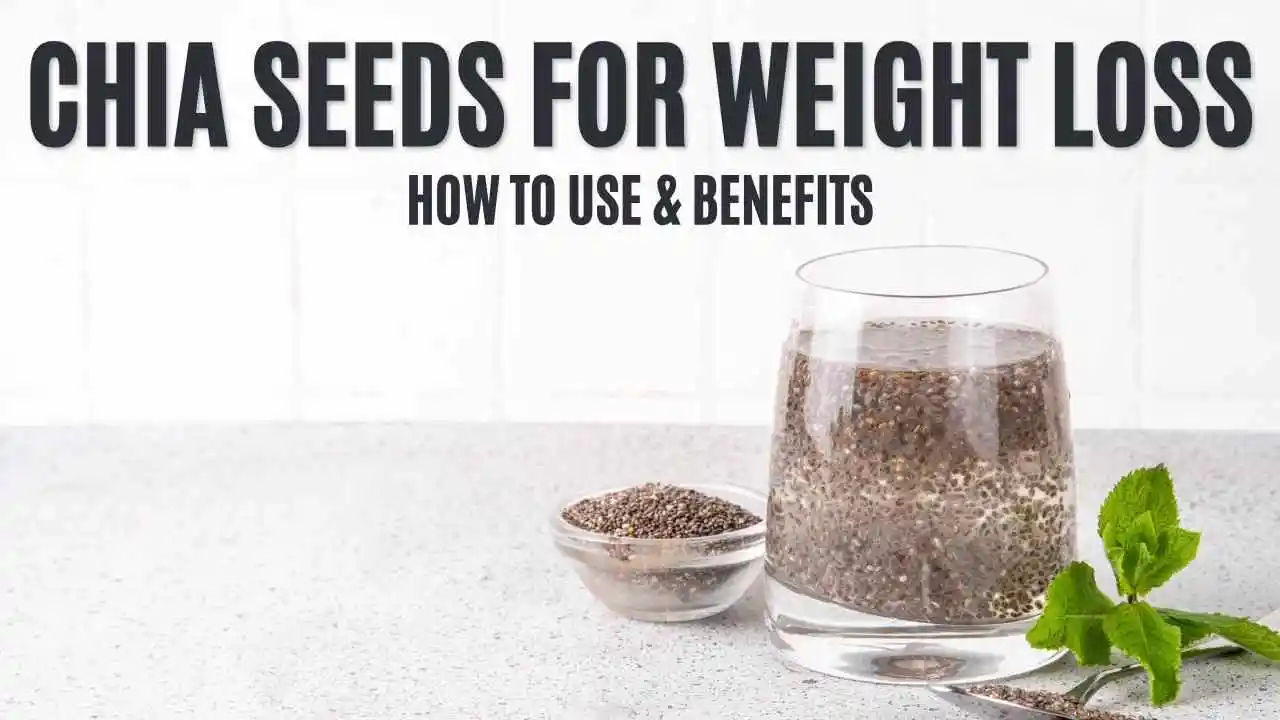
For those with no time to sit for breakfast, Chia Seed Water or the viral internal shower drink is an easy entry point. Mixing one tablespoon of chia seeds with water and a dash of lemon juice provides immediate hydration and fiber to kickstart the metabolism. For a more substantial option, Overnight Chia Pudding can be prepared in a jar the night before. By mixing chia seeds with milk (cow’s or almond) and a pinch of cinnamon or cardamom (elaichi), you create a creamy, dessert-like breakfast that is ready the moment you wake up.
While chia is a superfood, it must be handled with care. The very property that makes it effective—its ability to absorb water—can be a risk if ignored. The most critical safety rule is: never consume chia seeds dry. There have been instances where dry seeds expanded in the esophagus, causing a blockage that required medical intervention.
To ensure a safe and effective chia weight loss experience, follow these three guidelines:
- Hydrate Thoroughly: Always soak your seeds for at least 15 to 20 minutes before eating. If they haven’t formed a gel, they aren’t ready.
- The Fiber Ramp: If your current diet is low in fiber, jumping straight to two tablespoons of chia can cause bloating, gas, or cramps. Start with just one teaspoon daily for a week, and then gradually increase the dose as your gut microbiome adjusts.
- Water is Non-Negotiable: Because chia pulls water into the gut, you must increase your daily water intake by at least two glasses to prevent constipation.
Behavioral Psychology: The Power of the Chia Ritual
At DietDekho, we’ve observed that the most successful weight loss journeys are built on small, consistent rituals. The process of stirring chia seeds into water or yogurt acts as a dietary anchor. It is a conscious act of self-care that sets the tone for the rest of the day. Psychologically, this ritual shifts your identity from someone who struggles with weight to someone who takes active steps for health. This mindset shift often leads to secondary healthy choices, such as choosing a smaller portion at lunch or opting for a 15-minute walk instead of a sugary snack.

Expert Comparison: Weight Loss Outcomes by Scenario
Clinical research suggests that the context in which you use chia seeds determines your results. The following table illustrates how different dietary approaches influence weight loss when using chia seeds.
| Scenario | Usage Method | Expected Outcome | Mechanism |
| Addition | Adding 2 tbsp to existing high-calorie meals | Weight Maintenance or Gain | The seeds add ~140 calories without displacing other food. |
| Substitution | Replacing a sugary breakfast with Chia Pudding | Significant Weight Loss | Reduces total daily calories while increasing satiety. |
| Pre-Loading | Drinking Chia Water 30 mins before dinner | Modest Weight & Waist reduction | Helps control portion sizes during the subsequent meal. |
| Diabetic Protocol | 30g/day integrated into low-GI meals | Waist circumference reduction | Improves insulin sensitivity and reduces visceral fat. |
Future Directions: Nutrigenomics and the Gut Microbiome
Emerging research is exploring the role of chia seeds beyond simple satiety. A 2024 study suggests that chia seeds act as a prebiotic, feeding the beneficial bacteria in the gut. A healthy gut microbiome is increasingly linked to easier weight maintenance and improved mental clarity. Furthermore, new investigations into the gut-microbiota-iron-ferroptosis axis suggest that the antioxidants in chia seed oil may protect the liver and improve systemic iron balance, offering hope for those with metabolic fatty liver disease.

Conclusion: Reclaiming Your Health with Chia
The journey of chia weight loss is not about chasing a viral trend or seeking a miracle cure. It is about understanding the biological synergy between a nutrient-dense seed and the human body. For the busy professional in Mumbai, the homemaker in Delhi, or the diabetic patient in Chennai, chia seeds offer a practical, science-backed way to manage hunger, protect the heart, and stabilize blood sugar.
Success does not require a gym membership or an overhaul of your lifestyle. It begins with a single tablespoon of seeds, 15 minutes of soaking, and the consistency to make it a daily habit. By leveraging the soluble fiber, complete protein, and heart-healthy fats of the chia seed, you are not just losing weight; you are building a foundation for lifelong metabolic freedom.
Ready to start your personalized health journey?
Our expert dietitians at DietDekho have helped over 19,600 people achieve their goals with simple, sustainable Indian meal plans. Let us help you integrate superfoods like chia into a plan tailored just for you.

Frequently Asked Questions
1. Can chia seeds really help me lose belly fat?
While no food can spot-reduce fat, chia seeds are highly effective at reducing waist circumference. This is because they help reduce visceral fat—the dangerous fat around your organs—by improving insulin sensitivity and keeping you full longer, which naturally leads to eating less.
2. Is it better to eat chia seeds in the morning or at night?
For weight loss, the morning is ideal. Consuming chia seeds with breakfast or as a pre-breakfast drink stabilizes blood sugar early, preventing the energy dips and sugar cravings that usually happen in the afternoon.
3. Do I have to grind chia seeds to get the benefits?
Unlike flaxseeds, you do not have to grind chia seeds to absorb their nutrients. However, ground chia seeds may allow for slightly better absorption of omega-3 fatty acids, while whole, soaked seeds provide more bulk for digestive regularity.
4. How long does it take to see results with chia seeds?
Most people notice improved digestion and reduced bloating within the first 4–7 days. For weight loss, consistency is key; clinical studies show significant changes in body composition and waist size after 12 weeks of daily use alongside a balanced diet.
5. Can I eat chia seeds if I am on blood pressure or diabetes medication?
Yes, but you should monitor your levels closely and consult your doctor. Because chia seeds can naturally lower blood pressure and blood sugar, your medication dosage might need adjustment as your health improves.

Contact Us
We understand how overwhelming nutrition and weight loss information can feel. With so many opinions and confusing advice online, it’s easy to feel stuck or unsure about what to do next.
At Diet Dekho, you never have to figure it out alone. You can contact us anytime with any questions or concerns. Our expert dietitians are available 24/7 to guide, support, and help you stay on track. Whether your goal is weight loss or building healthier habits, we’re here to make the journey simpler and more sustainable for you.
Disclaimer
This blog is intended to help readers make healthier food choices. Your health should always be the top priority. Before starting any restrictive or special diet, especially if you have a medical condition or health concern, please consult a doctor or a qualified dietitian. Each body responds differently to food and lifestyle changes. Always choose what is safe and suitable for you.

Abhinav is the Founder of Diet Dekho, helping people manage weight and lifestyle health through simple, practical nutrition and personalized diet plans.