
Imagine waking up on a chilly January morning in Mumbai or Delhi. The air is crisp, and your first instinct is to reach for a steaming cup of sugary tea and a plate of hot, fried pakoras. I know it is hard to resist that cozy feeling, but for someone managing blood sugar, this typical winter season food choice can lead to a day of exhaustion and spikes. What this means for your daily routine is that we need to find comfort in foods that hug your soul without hurting your health.
The best winter season food options for maintaining stable blood sugar and high energy include fiber-rich millets like bajra, immunity-boosting amla, and warming proteins like horse gram (kulith). Prioritizing low-glycemic root vegetables such as carrots and sweet potatoes, alongside anti-inflammatory spices like cinnamon and ginger, helps regulate metabolism and prevents seasonal health complications.
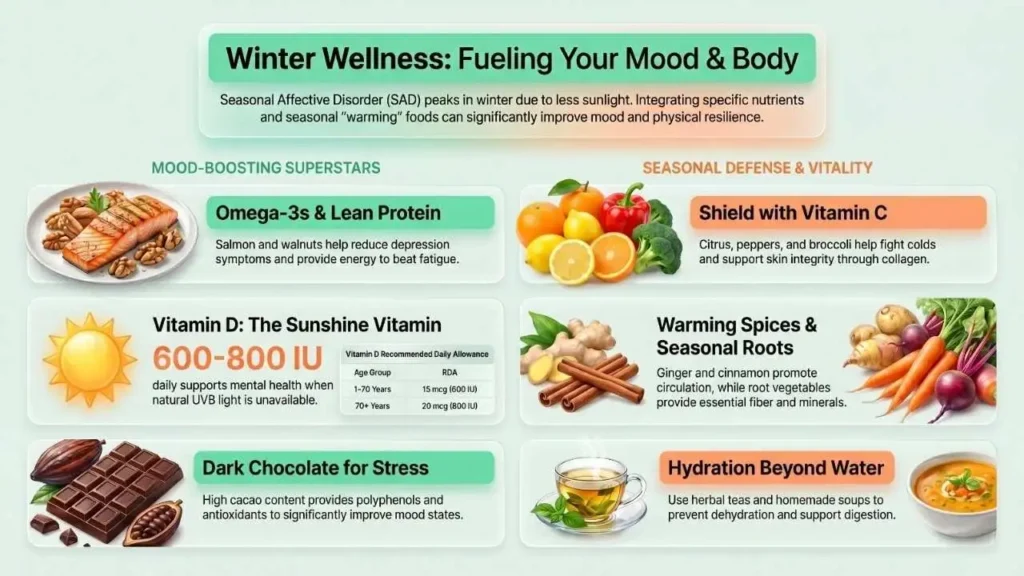
The Science of the Seasonal Metabolic Shift
When the temperature drops, your body does something fascinating-it shifts into what scientists call a storage mode. This is an evolutionary survival tactic where your system tries to conserve energy to keep your core warm. I know it feels like your appetite has a mind of its own lately, but there is a biological reason for that. Your metabolism actually works harder in the winter, with the resting metabolic rate (RMR) potentially increasing by 5% to 20% just to maintain your internal temperature.
This increased metabolic demand creates a hunger trap. Your body releases more ghrelin, the hormone that tells you to eat, while levels of leptin-the hormone that says I’m full-often take a dip in the cold. For a busy professional or a homemaker, this means you are fighting a constant uphill battle against cravings. If we do not choose the right winter season food, that extra hunger leads to a 25% increase in caloric intake, which often shows up as unwanted weight gain by February.
| Metabolic Factor | Winter Change | Impact on Daily Life |
| Resting Metabolic Rate (RMR) | Increases by 5-20% | You burn more calories just staying warm, leading to higher hunger. |
| Ghrelin (Hunger Hormone) | Increases | Stimulates appetite, especially for high-carb comfort foods. |
| Leptin (Satiety Hormone) | Decreases | It takes longer to feel full, making portion control difficult. |
| Cortisol (Stress Hormone) | Increases | Can lead to higher blood sugar spikes and emotional eating. |
What this means for your daily routine is that we cannot just rely on willpower. We have to use thermogenic foods-ingredients that help your body produce heat naturally through digestion. By choosing complex carbohydrates and proteins that take longer to break down, you stay warmer from the inside out and feel satisfied for hours.

Why Your Blood Sugar Behaves Differently in Winter
If you have noticed your fasting sugar levels creeping up lately, you are not alone. Research in India has shown that HbA1c levels-the three-month average of your blood sugar-tend to peak during the winter months. The cold weather acts as a physical stressor on the body, triggering the release of adrenaline and cortisol. These fight or flight hormones tell your liver to dump extra glucose into the blood for quick energy, but for a person with diabetes, that glucose has nowhere to go.
Furthermore, the physical act of monitoring your health becomes a chore. I’ve spoken to so many friends who find it painful to prick their cold fingers for a glucose test in the morning. This leads to less frequent monitoring exactly when you need it most. Cold weather also narrows your blood vessels, which can affect how quickly your body absorbs insulin if you are taking it. Let’s simplify this: your body is under more pressure in the winter, so your winter season food choices need to be your strongest ally.
| Season in India | Mean HbA1c Levels (%) | Reason for Variation |
| Winter (Dec-Feb) | 6.81 pm 1.99 | Cold stress, higher calorie intake, and reduced activity. |
| Summer (Mar-May) | 6.77 pm 2.15 | Higher activity levels and more hydrating, low-calorie fruits. |
| Monsoon (Jun-Sep) | 6.86 pm 1.99 | High levels of infections and humidity affecting activity. |
| Autumn (Oct-Nov) | 6.77 pm 1.89 | Temperate weather and stable dietary patterns. |

The Power of Grains: Why Bajra is the King of Winter
Let’s talk about your kitchen staples. In most Indian homes, wheat and rice are the defaults. However, in the winter, these can feel heavy or lead to quick sugar crashes. I want to introduce you to a grain that has been a part of our heritage for centuries: Bajra, or Pearl Millet. It is arguably the best winter season food for anyone managing weight or diabetes.
Bajra is naturally warming. It is packed with magnesium, which is a mineral that helps your cells use insulin more effectively. Because it is so rich in fiber, it takes a long time to digest. This slow burn does two things: it keeps you full so you don’t reach for biscuits at 11 AM, and it helps your body generate steady heat. For a busy professional, a Bajra roti with a little ghee is like putting high-quality, long-lasting fuel in your car instead of cheap gas that burns out in minutes.
If you find Bajra a bit too coarse, you can try Ragi (Finger Millet). It is exceptionally high in calcium-providing about 344mg per 100g-which is vital for bone health when you aren’t getting enough Vitamin D from the winter sun. Both these grains help manage the winter blues because they are rich in B vitamins that support your mood and energy levels.

Root Vegetables: Grounding Nutrition for Busy Days
Winter brings a beautiful bounty of root vegetables like carrots, beetroots, and sweet potatoes. I know what you’re thinking-Wait, aren’t those high in sugar? It’s a common worry, but let’s look at the facts. Root vegetables are grounding foods. In Ayurveda, they are used to balance the Vata or dryness that winter brings to our bodies and skin.
Red carrots are a winter specialty in India and are vastly different from the orange ones we see year-round. They are loaded with fiber and Vitamin A, which supports your vision and skin health. For a person with diabetes, the key is the crunch. Eating a raw carrot salad before your meal adds bulk and slows down the absorption of the rest of your dinner.
Sweet potatoes are another misunderstood hero. Unlike white potatoes, they have a lower glycemic index and are rich in beta-carotene. They release sugar slowly into your bloodstream. A small, roasted sweet potato with a dash of lemon and black pepper is a perfect evening snack for a homemaker who needs a quick energy boost before the evening rush.
| Winter Root Veggie | Glycemic Impact | Key Benefit for You |
| Red Carrots | Low | High fiber helps regulate blood sugar spikes. |
| Beetroot | Medium | Rich in iron and helps improve blood circulation. |
| Sweet Potato | Medium-Low | Provides sustained energy without the crash of white potatoes. |
| Radish (Mooli) | Very Low | Excellent for digestion and clearing winter congestion. |

The Pulse of the Season: Kulith (Horse Gram) and Warming Dals
If I had to recommend one secret winter season food for you, it would be Kulith, also known as Horse Gram. This tiny lentil is a powerhouse that is often forgotten in city life. In Maharashtra and South India, Kulith is a winter savior. It is the most protein-rich lentil you can find, and it is specifically known for its ability to generate heat in the system.
For a person with diabetes, Kulith is amazing because it contains natural compounds that reduce insulin resistance. It literally helps your body use the insulin it already has. I know it’s hard to find time to cook elaborate meals, but a simple Kulith soup (or pithla) takes only 15 minutes. It helps melt away the mucus from a winter cold and keeps your metabolism firing even when you are sitting at your desk all day.
Beyond Kulith, don’t ignore the daily Dals. Moong, Masoor, and Chana dal are high in fiber and protein. When you pair these with your winter season food like Bajra, you create a complete protein that supports your muscles and keeps you strong.
Spices: Your Kitchen’s Natural Pharmacy
One of the easiest ways to upgrade your winter diet without adding extra work is through spices. I’m not talking about spicy heat that burns your tongue, but warming spices that improve your circulation.
Cinnamon is your best friend if you struggle with morning sugar spikes. It mimics insulin and helps your cells grab glucose from the blood. A simple habit like adding a pinch of cinnamon to your tea or yogurt can make a real difference over a month.
Then there’s Ginger. Winter often makes us feel achy and stiff. Ginger is a natural anti-inflammatory that works as well as some over-the-counter pills for joint pain. It also kindles your digestive fire, helping you process those heavier winter meals without feeling bloated.
| Winter Spice | Benefit for Diabetes | Practical Way to Use It |
| Cinnamon | Lowers fasting blood sugar | Sprinkle on oats, curd, or tea. |
| Ginger | Improves insulin sensitivity | Add to your morning tea or soups. |
| Turmeric | Reduces systemic inflammation | Mix with warm milk (Golden Milk) at night. |
| Fenugreek (Methi) | Slows carbohydrate absorption | Soak seeds overnight and drink the water. |

The Green Shield: Methi, Palak, and Sarson
Winter in India is synonymous with green leafy vegetables. Sarson ka Saag, Palak Paneer, and Methi Thepla are not just traditions; they are nutritional shields. These greens are incredibly low in calories but very high in magnesium and iron.
For a busy professional, I know a big bowl of salad feels too cold in December. What this means for your daily routine is that we should eat our greens cooked. Sautéing spinach with a little garlic or adding methi leaves to your roti dough makes them much easier to digest. Magnesium in these greens helps your heart stay healthy and your blood sugar stay stable.
Amla, or Indian Gooseberry, also deserves a special mention here. It is one of the richest sources of Vitamin C on the planet. Just one amla a day can give you enough antioxidants to fight off the common winter cold while the chromium in it keeps your sugar in check.
Healthy Fats: Lubricating Your System
I know we have been taught to fear fats, but in the winter, your body actually needs them. The dry winter air doesn’t just dry out your skin; it dries out your joints and your internal tissues.
A teaspoon of Ghee on your hot Bajra roti is not an indulgence; it’s medicine. Ayurveda calls Ghee a healer that supports digestion and keeps your nervous system calm during the stressful holiday season. For a person with diabetes, adding a healthy fat to a carbohydrate (like ghee on roti) actually lowers the glycemic index of the meal, meaning your sugar rises more slowly.
Nuts and seeds like walnuts, almonds, and flaxseeds are also vital. They are packed with Omega-3 fatty acids that fight the inflammation caused by high blood sugar. A small handful of these is the perfect snack for a non-gym audience because they provide energy without needing a workout to burn them off.

Practical Tips for Busy Professionals and Homemakers
I know your time is precious. Between work calls, school runs, and household chores, health often takes a backseat. Let’s simplify this. You don’t need to spend hours in the kitchen to follow a winter diet plan.
- The Soak and Sip Routine: Before you go to bed, soak a teaspoon of methi (fenugreek) seeds in a glass of water. Drink it first thing in the morning. It takes 10 seconds but works all day to regulate your sugar.
- Batch Cooking: On Sunday, boil a large pot of Kulith or Moong dal. You can use it as a base for soups, stews, or even a quick dal-roti dinner during the week.
- The 10-Minute Walk: I know you might not have time for the gym, and it’s too cold for a long morning walk. But can you find 10 minutes after dinner? A short stroll inside your home or hallway helps your muscles soak up the glucose from your meal.
- Hydration Hack: We often forget to drink water because we don’t feel hot. Keep a thermos of warm ginger or cinnamon water on your desk. It keeps you hydrated, prevents false hunger, and keeps you warm.
Home-Based Solutions for the Non-Gym Audience
You don’t need a treadmill to stay active. In fact, for many people with diabetes, heavy exercise in the cold can be a shock to the system. Instead, focus on gentle, consistent movement.
- Surya Namaskar: Doing just 5 rounds of Sun Salutations in your living room can warm up every muscle in your body and improve your insulin sensitivity.
- Active Chores: Did you know that 30 minutes of active house cleaning can burn as many calories as a brisk walk? Mopping or vacuuming counts as a workout!
- Stretch While You Watch: If you are sitting down to watch your favorite show, use that time to do some leg stretches or arm circles. It keeps your circulation going and prevents that winter stiffness in your joints.

Frequently Asked Questions (FAQs)
Q1: What is the best winter season food to lower blood sugar quickly?
While no single food acts as a magic pill, consuming fiber-rich grains like Bajra and incorporating bitter vegetables like Methi (fenugreek) and Amla can significantly stabilize sugar levels. These foods slow down the absorption of glucose, preventing the sharp spikes that often occur after meals in winter.
Q2: Can I eat sweet potatoes if I have diabetes?
Yes, you can! Sweet potatoes have a lower glycemic index compared to regular white potatoes. They are rich in fiber and Vitamin A, which provide sustained energy. However, keep the portion size moderate-about half a medium potato-and try roasting or boiling them instead of frying.
Q3: Is Ghee safe for diabetics in the winter?
In moderation, yes. A teaspoon of Ghee helps lubricate joints and improves the absorption of fat-soluble vitamins. It also lowers the glycemic index of your rotis or rice. As long as you are mindful of your total daily fat intake, a little Ghee is a beneficial winter season food.
Q4: Why do my sugar levels stay high in winter despite eating well?
Cold weather is a stressor that causes your body to release cortisol and adrenaline, which can raise blood sugar. Additionally, we tend to be less active in winter. Regular monitoring and staying hydrated with warm fluids can help you manage these seasonal fluctuations.
Q5: What are some easy Indian winter snacks for busy professionals?
Roasted Makhana (fox nuts), roasted Chana (chickpeas), and a handful of walnuts or almonds are excellent options. They are high in protein and fiber, keeping you full and focused without causing the sugar crashes associated with biscuits or chips.
Conclusion: Take Control of Your Winter Wellness
I know it feels like a lot to manage, but remember: you don’t have to be perfect. Even one small change-like swapping your white rice for Bajra khichdi or adding ginger to your tea-is a win. Winter is a time for your body to rejuvenate, not just to survive. By choosing the right winter season food, you are giving your body the tools it needs to stay warm, vibrant, and balanced.
Don’t let the cold slow you down. Start with one simple step today: drink a glass of warm water, eat a seasonal fruit, and take a deep breath. You’ve got this!
Want a personalized diet plan tailored to your lifestyle? We are here to help.
Click here to fill out our consultation form and start your health journey today!
Contact Us
We understand how overwhelming nutrition and weight loss information can feel. With so many opinions and confusing advice online, it’s easy to feel stuck or unsure about what to do next.
At Diet Dekho, you never have to figure it out alone. You can contact us anytime with any questions or concerns. Our expert dietitians are available 24/7 to guide, support, and help you stay on track. Whether your goal is weight loss or building healthier habits, we’re here to make the journey simpler and more sustainable for you.
Disclaimer
This blog is intended to help readers make healthier food choices. Your health should always be the top priority. Before starting any restrictive or special diet, especially if you have a medical condition or health concern, please consult a doctor or a qualified dietitian. Each body responds differently to food and lifestyle changes. Always choose what is safe and suitable for you.

Abhinav is the Founder of Diet Dekho, helping people manage weight and lifestyle health through simple, practical nutrition and personalized diet plans.