Imagine Sarah, a busy professional balancing back-to-back meetings and her family’s health. She recently heard about the various pink salt advantages and wonder if swapping her white salt shaker could finally help stabilize her morning energy levels. Like many of us, Sarah wants simple, trustworthy solutions for her diet that do not require hours in the gym.
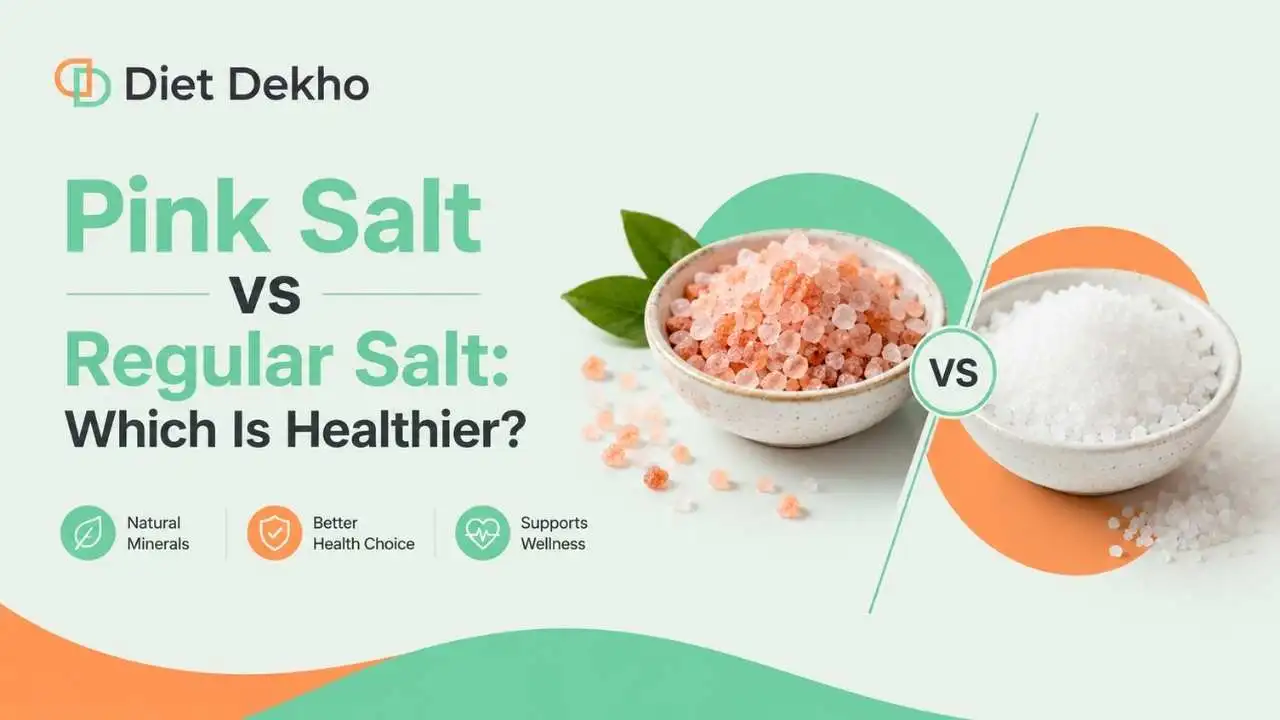
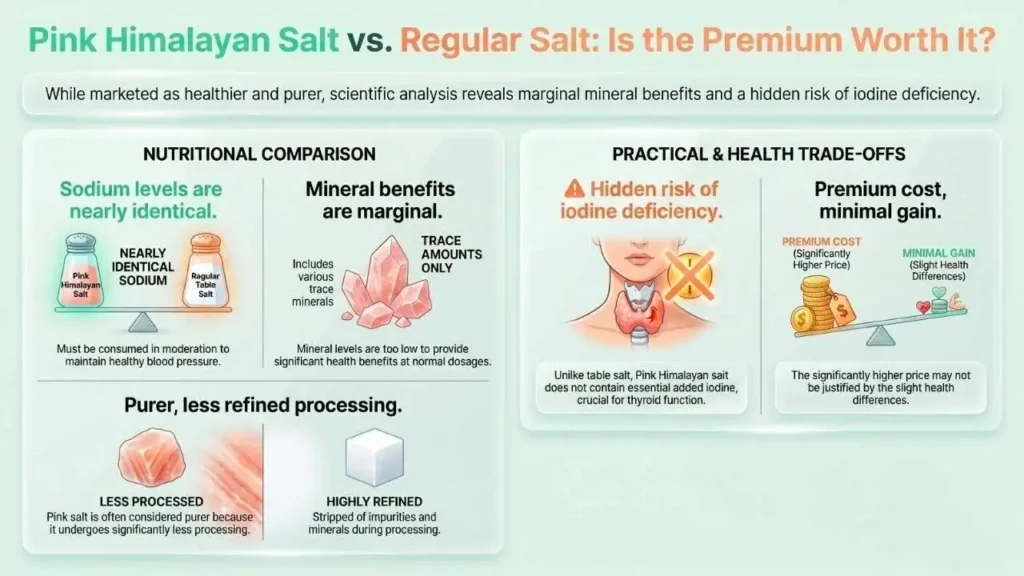
The truth is that pink salt and regular table salt are nutritionally almost identical, both containing about 98% sodium chloride (NaCl). While pink salt offers trace minerals like magnesium and potassium, these amounts are too small to impact your health significantly. Table salt remains the only reliable source of iodine, which is essential for a healthy thyroid and metabolism.
The Geological and Historical Origins of Our Daily Seasoning
To understand why so many people are drawn to pink salt, we have to look back millions of years. Himalayan pink salt is essentially a fossilized rock salt, harvested from ancient sea beds that were trapped deep within the earth long before modern pollutants existed. These deposits are primarily located in the Khewra Salt Mine in the Punjab region of Pakistan. This mining process is often less industrial than the methods used for table salt, which is why many perceive it as a more natural option.
Table salt, on the other hand, usually comes from underground salt deposits or is evaporated from seawater. It undergoes more processing to remove impurities and ensure it flows freely from your shaker. While this sounds less natural, this refinement process was originally designed to create a consistent, pure product for mass consumption. What this means for your daily routine is that while one salt comes from a mountain and the other from a factory, their core job in your body remains the same.
The distinct rose-to-amber color of pink salt comes from trace amounts of iron oxide (Fe2O3) trapped inside the salt crystals. When you see those beautiful pink grains, you are looking at minerals that have been preserved for over 250 million years. This historical weight adds to the health halo surrounding the product, leading many to believe it possesses magical healing properties.
| Feature | Himalayan Pink Salt | Regular Table Salt |
| Origin | Khewra Salt Mine, Pakistan | Mined or evaporated seawater |
| Color | Pink, Reddish, Amber | Pure White |
| Processing | Minimal, hand-mined | Refined, industrial |
| Iodine | Trace only | Fortified (Iodized) |
| Texture | Coarse, dense crystals | Fine, uniform grains |
| Additives | Usually none | Anti-caking agents |
Breaking Down the Nutritional Matrix and Mineral Myths
I know it is hard to find time to read every scientific paper, but let’s simplify the mineral argument. Proponents often list dozens of pink salt advantages, claiming it contains 84 different minerals. While it is true that trace elements like calcium, potassium, and magnesium are present, the concentrations are incredibly low.
Research shows that the minerals making up the pink part of the salt account for only about 2% of its total weight. A study conducted on pink salt samples found that you would have to consume nearly six times the recommended daily limit of sodium just to get a meaningful amount of potassium or iron from it. This is a dangerous trade-off, especially for busy professionals who might already be struggling with high blood pressure.
| Nutrient | Table Salt (per tsp) | Pink Salt (per tsp) |
| Sodium | ~2,300 mg | ~2,200 mg |
| Calcium | Negligible | ~1.6 mg |
| Potassium | Negligible | ~2.8 mg |
| Magnesium | Negligible | ~1.06 mg |
| Iron | Negligible | ~0.03 mg |
As you can see, the differences are microscopic. If you are looking for magnesium or potassium to help with your heart health or energy, you are much better off eating a handful of spinach or a banana. Using salt as a mineral supplement is a bit like trying to put out a house fire with a water pistol-it’s just not enough to make a difference.
Why Iodine is a Game Changer for Your Metabolism
For homemakers and professionals dealing with unexplained fatigue or weight gain, the iodine factor is crucial. Regular table salt in India and the US is typically fortified with iodine. This was a public health decision made decades ago to prevent goiter and support brain development. Iodine is the fuel your thyroid gland uses to produce hormones that control your metabolism.
Pink salt, because it is unrefined, usually lacks this added iodine. If you switch exclusively to pink salt and don’t eat a lot of seafood or dairy, you might be putting your thyroid at risk. I have seen many clients who felt sluggish after making the switch, not realizing they were missing out on this tiny but mighty nutrient.
Iodine is particularly important for pregnant people and growing children. It supports fetal brain development and helps prevent cognitive issues. If you are a vegetarian or vegan, table salt might be one of your only consistent sources of iodine. What this means for your daily routine is that a blend of both salts might be the smartest path forward.
Hypertension, Blood Pressure, and Heart Realities
If you are managing blood pressure, you have probably been told to cut back on salt. Many marketing campaigns suggest that pink salt is better for hypertension because it contains less sodium. However, this is mostly a trick of physical volume. Because pink salt often comes in larger, coarse crystals, fewer of them fit into a teaspoon.
If you were to weigh out 5 grams of table salt and 5 grams of pink salt, the sodium content would be almost identical. Excessive sodium, regardless of its color, pulls water into your bloodstream. This increases the volume of blood flowing through your arteries, which pushes your blood pressure up. Over time, this extra pressure can damage your heart and kidneys.
| Condition | Risk Factor | Impact of Sodium (Na+) |
| High Blood Pressure | Fluid Retention | Sodium pulls water into the blood, increasing pressure. |
| Heart Disease | Arterial Strain | Chronic high pressure stiffens blood vessels over time. |
| Kidney Disease | Filtration Load | Excess sodium forces kidneys to work harder to filter blood. |
| Osteoporosis | Calcium Loss | High salt intake causes the body to lose calcium through urine. |
Scientific studies have directly compared the effects of pink salt and table salt on people with hypertension. A trial published in 2022 showed no significant difference in blood pressure readings between those using pink salt and those using regular salt. This means that for your heart, the total amount of salt you eat matters far more than whether it came from a mine or the sea.
Managing Diabetes: Beyond the Sugar Bowl
For my friends living with diabetes, the salt conversation is often secondary to sugar, but it shouldn’t be. While sodium doesn’t directly spike your blood sugar levels, it plays a sneaky role in your overall metabolic health. High salt intake is linked to weight gain and increased insulin resistance in some studies.
If you are diabetic, your risk for heart disease is already higher, which makes controlling your blood pressure even more vital. One of the most talked-about pink salt advantages is that it balances electrolytes. While it can help with hydration if you’ve been sweating a lot, it isn’t a replacement for proper medication or a fiber-rich diet.
Interestingly, a study on rats showed that while certain flavor enhancers like MSG raised blood glucose, pink salt did not cause significant metabolic changes in the short term. This suggests that as long as you stay within the recommended limits, pink salt is safe for diabetics, but it won’t act as a hack to lower your readings. What this means for your daily routine is that you should treat all salt with the same caution.
The Indian Context: Sendha Namak and Traditional Wisdom
In India, we have a long and beautiful history with rock salt, which we call Sendha Namak. In Ayurveda, Sendha Namak is considered the purest form of salt because it is unrefined and chemical-free. It is often used during fasting periods like Navratri because it is thought to be more Sattvic or pure.
Ayurvedic practitioners often suggest that rock salt has a cooling effect on the body, unlike regular salt which is considered heating. It is also believed to stimulate digestive enzymes and help with bloating. While modern science hasn’t proven all these claims, the lack of anti-caking agents in Sendha Namak might make it gentler on some people’s stomachs.
| Perspective | Table Salt | Sendha Namak (Rock Salt) |
| Ayurvedic View | Heating, may aggravate Pitta | Cooling, balances all three Doshas |
| Digestion | Standard | Believed to reduce bloating and gas |
| Purity | Refined with additives | Natural, unrefined, chemical-free |
| Fasting | Generally avoided | Primary salt used in Vrat food |
Many of us grew up seeing our grandmothers use Sendha Namak in home remedies for sore throats or as a digestive aid after a heavy meal. There is a lot of comfort in these traditions, and if using pink salt makes you more mindful of your cooking, that is a huge win. Just remember that even a pure salt still contains sodium.
Hidden Sodium: The Real Villain in Your Pantry
I want to talk to you about the hidden salt that we don’t even realize we are eating. In the Indian kitchen, the real sodium overload doesn’t usually come from the salt shaker; it comes from our beloved accompaniments like pickles (Achar), papads, and chutneys.
A single spoonful of pickle or one crispy papad can contain more sodium than an entire home-cooked meal. For a busy professional grabbing a quick lunch, these hidden sources are what push us over the 5-gram daily limit. What this means for your daily routine is that even if you switch to the most expensive pink salt, your health won’t improve if you’re still eating highly salted packaged snacks.
| Indian Food Item | Sodium Content (per 100g) |
| Table Salt | ~38,000 mg |
| Pickles | 4,600 – 4,900 mg |
| Papad | 840 – 1,745 mg |
| Namkeens (Sev, Bhujia) | 200 – 1,060 mg |
| Instant Noodles | 1,242 – 1,932 mg |
| Bread/Buns | 265 – 501 mg |
Most Indians consume nearly double the recommended safe limit of salt every day. This excess quietly strains our blood vessels and causes our bodies to hold on to extra water, making us feel puffy and bloated. If you often feel like your rings are tight in the evening or your face looks swollen in the morning, hidden sodium is likely the culprit.
Practical Tips for the Busy Homemaker and Professional
Let’s simplify this. You don’t need to be a chemist to manage your salt intake. Here are some home-based solutions you can start following today:
- The Potato Trick: If you accidentally over-salt a curry, drop in a peeled, raw potato. It will act like a sponge and soak up the excess salt.
- Rinse Your Canned Goods: If you use canned beans or vegetables, rinse them thoroughly under running water. This can wash away up to 40% of the sodium used in the canning process.
- Taste Before You Salt: It sounds simple, but many of us add salt out of habit before even tasting the food. Try one bite first; you might find it doesn’t need any more.
- The 5% and 20% Rule: When looking at food labels, remember that 5% or less of the Daily Value (DV) for sodium is considered low, and 20% or more is considered high.
- Expand Your Spice Horizon: Use lemon juice, garlic, ginger, and fresh herbs like coriander to add flavor. These give your food a kick without the health risks of extra sodium.
I know it’s hard to change the way you cook, especially when your family is used to certain flavors. But making these small shifts can protect your heart and kidneys in the long run. Start by not adding salt to your chapati dough or rice-the curry already has enough.
Guidelines from the Experts: WHO and ICMR 2024
To keep us safe, the World Health Organization (WHO) and the Indian Council of Medical Research (ICMR-NIN) have set clear limits. Their 2024 guidelines suggest that an average adult should consume less than 5 grams of salt per day-that is roughly one level teaspoon.
For people with high blood pressure, the American Heart Association suggests aiming even lower, around 1,500 mg of sodium per day. These numbers can feel overwhelming, but they are there to help us avoid life-threatening conditions like stroke and heart failure. The ICMR specifically recommends reducing processed foods and reading labels more carefully to identify high-sodium items.
| Organization | Recommended Salt Limit | Recommended Sodium Limit |
| WHO | < 5 g / day | < 2,000 mg / day |
| ICMR-NIN (2024) | < 5 g / day | ~2,300 mg / day |
| AHA (for Hypertension) | < 3.75 g / day | < 1,500 mg / day |
Reducing salt is one of the most cost-effective ways to improve your health. It doesn’t cost a rupee to use a little less salt, and the benefits for your blood vessels are almost immediate. What this means for your daily routine is that mindfulness is your best medicine.
Myths, Weight Loss, and the Salt Trick
You might have seen videos online talking about the pink salt trick for weight loss-drinking lemon water with a pinch of pink salt every morning. I have to be honest with you: salt does not burn fat. While this drink might help you stay hydrated, the salt itself won’t melt calories.
In fact, too much salt can cause you to hold on to water weight, making the scale go up instead of down. If you feel lighter after switching to pink salt, it might be because you are paying more attention to your diet and eating fewer processed foods. That is a great result, but it is not a magic property of the salt.
There are also claims about pink salt helping with sleep or libido. While some people find a warm salt bath relaxing, there is no solid scientific evidence that eating pink salt will transform your bedroom life. For better sleep and energy, focusing on your overall stress levels and consistent meal times is a much more effective strategy.
Conclusion: Making the Right Choice for Your Family
At the end of the day, whether you choose the pink crystals or the white grains is less important than how much you use. Himalayan pink salt is a beautiful, less processed alternative that can add a wonderful crunch and earthy flavor to your meals. It connects us to our traditional roots and makes cooking feel like a more mindful ritual.
However, if you choose pink salt, please ensure you are getting enough iodine from other sources like milk, curd, or seafood. And if you have high blood pressure or diabetes, remember that your body sees all salt as sodium. The real pink salt advantages lie in using it as a tool to become more aware of what you are putting into your body.
Let’s take this one step at a time. Maybe today you try cooking your rice without salt, or you swap your evening bag of chips for some roasted makhana with just a tiny pinch of Sendha Namak. You have the power to protect your health, and I am here to support you in making these simple, everyday changes.
If you are feeling overwhelmed and need a personalized plan to manage your diabetes or weight, I would love to help you. We can look at your routine together and find the small shifts that will make the biggest difference for your health.
Ready to start your journey? Fill out our health assessment form here and let’s work together to find your perfect balance.
Frequently Asked Questions
1. Are there any real pink salt advantages for high blood pressure?
While pink salt contains trace minerals like potassium, which is good for blood pressure, the amounts are too small to make a clinical difference. The primary benefit is that its coarse texture may lead you to use less by volume, but sodium levels remain virtually the same as table salt.
2. Can I use pink salt instead of Sendha Namak during Navratri?
Yes, Himalayan pink salt is essentially the same as Sendha Namak. It is a rock salt mined from the earth rather than evaporated from seawater, making it suitable for traditional fasting rituals that require unrefined ingredients.
3. Does switching to pink salt help with weight loss?
Switching salt alone will not cause weight loss because salt contains zero calories. However, it may reduce bloating if it helps you cut back on highly processed, hidden sodium sources. Sustainable weight loss still requires a balanced diet and regular movement.
4. Is it safe to give pink salt to children?
Yes, but children need very little sodium overall. Also, keep in mind that children are at a higher risk for iodine deficiency, so ensuring they have access to iodized table salt or other iodine-rich foods is very important for their brain development.
5. Why is table salt often criticized compared to pink salt?
Table salt is criticized because it is highly refined and often contains anti-caking agents like sodium aluminosilicate. Pink salt is seen as more natural because it is minimally processed and free from these additives. However, both are still primarily sodium chloride.
Contact Us
We understand how overwhelming nutrition and weight loss information can feel. With so many opinions and confusing advice online, it’s easy to feel stuck or unsure about what to do next.
At Diet Dekho, you never have to figure it out alone. You can contact us anytime with any questions or concerns. Our expert dietitians are available 24/7 to guide, support, and help you stay on track. Whether your goal is weight loss or building healthier habits, we’re here to make the journey simpler and more sustainable for you.
Disclaimer
This blog is intended to help readers make healthier food choices. Your health should always be the top priority. Before starting any restrictive or special diet, especially if you have a medical condition or health concern, please consult a doctor or a qualified dietitian. Each body responds differently to food and lifestyle changes. Always choose what is safe and suitable for you.

Abhinav is the Founder of Diet Dekho, helping people manage weight and lifestyle health through simple, practical nutrition and personalized diet plans.