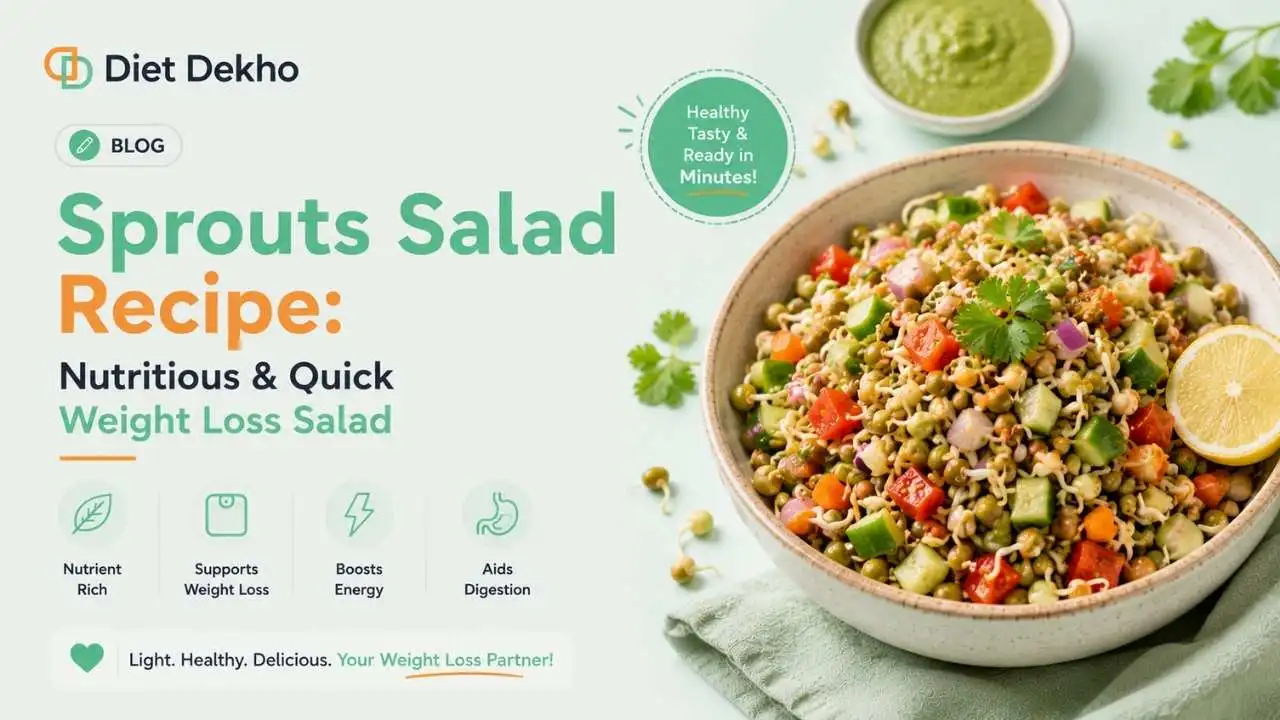
Have you ever felt like you’re doing everything right-eating home-cooked meals and avoiding sweets-but the weight just won’t budge? I hear this every day from my clients at our sprouts salad company. They are often busy professionals or homemakers who feel trapped by their own metabolism. Let’s simplify this journey together. The answer isn’t a restrictive starvation diet, but rather a simple, protein-packed bowl of moong sprouts.
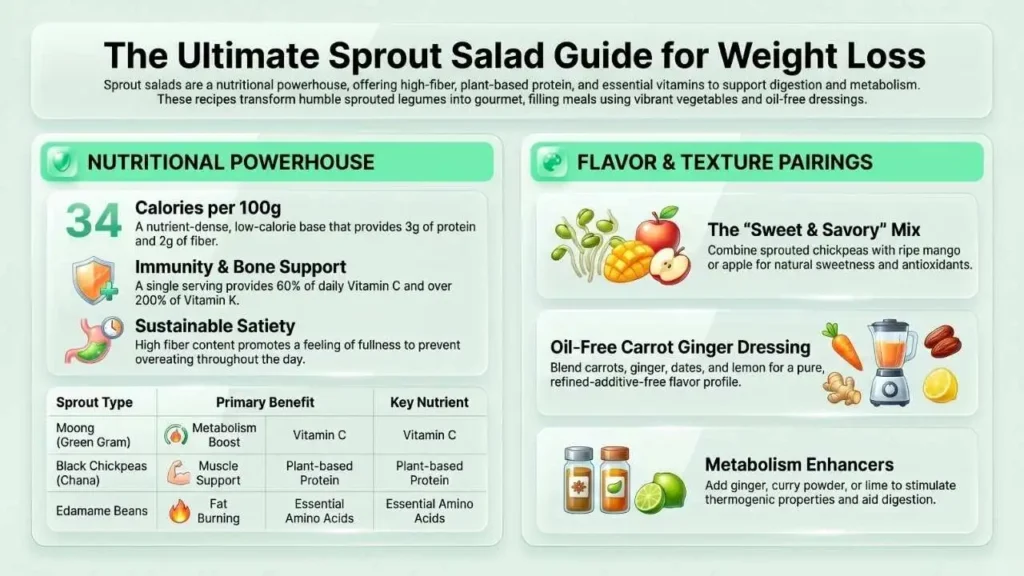
A moong sprouts salad is an ideal weight-loss meal because it is exceptionally low in calories (30 kcal/100g) yet high in fiber and protein. Consequently, it promotes long-term satiety, prevents insulin spikes, and improves gut health. By replacing just 5% of your daily carbohydrates with plant-based protein like sprouts, you can significantly reduce the risk of diabetes and accelerate fat loss.
The Indian Metabolic Crisis: Why We Are Struggling
The metabolic health of our population has reached a critical juncture. By 2025, approximately 21.8 crore men and 23.1 crore women in India are estimated to be higher weight people, which accounts for nearly one-third of the entire population. This isn’t just about appearance; it is a systemic health crisis. Specifically, the ICMR-INDIAB 2025 analysis reveals that only 26.6% of Indian adults are truly metabolically healthy.
What this means for your daily routine is that even if you look lean, you might be carrying dangerous visceral fat. Furthermore, more than seven in 10 Indians possess at least one metabolic abnormality, such as elevated fasting glucose or hypertension. Because of these hidden risks, choosing nutrient-dense foods like sprouts is no longer optional-it is essential for survival in a world dominated by processed flours.
Visceral Fat: The Skinny-Fat Phenotype
I know it’s hard to understand why the scale doesn’t move when you feel thin. This is often due to the skinny-fat phenotype, where individuals carry excess fat around their organs. Consequently, traditional Indian diets-often deriving 60% of energy from low-quality carbohydrates like white rice-exacerbate this issue. Therefore, the first step to reversing this trend is reducing the total carbohydrate quantity on your plate, rather than just switching from rice to wheat.
The Science of Sprouting: More Than Just a Seed
When you soak a moong bean, you aren’t just getting it ready to eat; you are initiating a biochemical transformation. Specifically, the process of sprouting transforms a dormant seed into a living plant, which increases protein bioavailability by 15-20%. This is particularly important for my vegetarian friends who struggle to find high-quality protein sources.
Moreover, sprouting significantly reduces anti-nutrients like phytic acid and tannins. These compounds usually bind to minerals and prevent your body from absorbing them. However, once the bean sprouts, minerals like iron, zinc, and magnesium become much easier for your body to utilize. As a result, you feel more energized because your body is finally getting the micronutrients it has been craving.
Enzyme Activation and Gut Health
In addition to mineral absorption, sprouting activates vital enzymes like amylase and protease. These enzymes help break down complex starches and proteins before they even reach your stomach. Because of this pre-digestion, many people find that sprouts cause far less bloating than raw beans. Furthermore, the antioxidant content-specifically polyphenols like vitexin-increases during the sprouting process, helping to fight systemic inflammation.
| Nutrient Component (per 100g) | Moong Sprouts Value | Key Metabolic Role |
| Calories | 30 – 31 kcal | Supports caloric deficit |
| Protein | 3.2 g | Preserves muscle mass |
| Glycemic Index (GI) | 25 – 32 | Stabilizes blood sugar |
| Dietary Fiber | 1.9 – 2.0 g | Promotes satiety |
| Vitamin K | 34.3 mcg | Bone and heart health |
The Hormonal Magic of Satiety
One of the biggest hurdles for busy professionals is the mid-afternoon energy crash. Usually, this is followed by mindless snacking on biscuits or namkeen. However, a sprouts salad provides the protein and fiber necessary to curb these impulses. Specifically, high-fiber plant diets stimulate the secretion of Glucagon-like Peptide-1 (GLP-1), a hormone that sends signals of fullness to your brain.
Therefore, when you eat a bowl of sprouts for breakfast or lunch, you aren’t just filling your stomach. You are actually rewiring your hunger hormones. Consequently, you feel satisfied for hours. In contrast, refined carbohydrates cause a rapid spike and crash in blood sugar, leaving you hungry again within sixty minutes.
The GLP-1 Connection: Why You Feel Full
Research suggests that the fiber in sprouts undergoes colonic fermentation, which releases short-chain fatty acids (SCFAs). These SCFAs are the secret heroes of weight loss because they reinforce your gut lining and mitigate low-grade inflammation. Specifically, they help regulate your metabolism at a molecular level. What this means for you is a flatter stomach and a more consistent mood throughout the workday.
Diabetes Management: Reversing the Trend
For those managing diabetes, the goal is always to keep blood sugar levels stable. Legumes, particularly moong, have some of the lowest glycemic indices (GI) available, typically ranging from 25 to 32. Furthermore, a landmark study showed that incorporating one cup of legumes daily into a low-GI diet reduced HbA1c values significantly over three months.
As a senior dietitian, I often tell my clients that it’s not just what you eat, but how you balance your plate. Substituting just 5% of your carbohydrate calories with plant-based protein from sprouts can lower your risk of developing diabetes-related complications. This is a small shift that yields massive long-term results for your heart and kidneys.
The Ultimate Moong Sprouts Salad Recipe
Creating an effective meal at a sprouts salad company involves more than just tossing beans together. We use a framework that balances flavor with metabolic function. This Kachumber-style recipe is perfect for your home routine because it requires zero cooking.
Ingredients You’ll Need:
- 1.5 Cups Fresh Moong Sprouts: Your high-protein base.
- 1 Medium Cucumber (Diced): For hydration and volume.
- 1 Large Tomato (De-seeded & Diced): For Vitamin C.
- 1 Grated Carrot: For beta-carotene and extra crunch.
- 1-2 Tbsp Roasted Peanuts: For healthy fats to stabilize blood sugar.
- Dressing: Lemon juice, black salt (kala namak), and roasted cumin powder.
Step-by-Step Instructions:
- Preparation: Rinse your sprouts thoroughly. If you have a sensitive stomach, blanch them in hot water for 2 minutes first.
- Combine: In a large glass bowl, mix the sprouts with your chopped vegetables.
- Seasoning: Add the lemon juice and spices. Specifically, lemon juice is vital because it increases the absorption of iron from the sprouts.
- Garnish: Top with peanuts or even a few pomegranate seeds for a burst of antioxidants. Serve immediately.
Standard Ingredients and Pro-Tips
In addition to the basics, you can customize your bowl to meet specific health needs. For instance, if you are managing thyroid issues, try grating one Brazil nut over your salad to meet your daily selenium requirement. Alternatively, if you are looking for a Mumbai Chaat vibe, add a dollop of green mint chutney and a sprinkle of chaat masala to keep things exciting.
Safety and Digestibility: To Steam or Not to Steam?
A common question I get is whether sprouts should be eaten raw. While raw sprouts offer the highest enzyme activity and heat-sensitive Vitamin C, they do carry a small risk of bacterial contamination. Therefore, for older people, pregnant people, or those with weaker digestion, I always recommend light steaming.
Why Steaming is Safer for Some
Lightly steaming your sprouts for just 60 to 120 seconds kills potential bacteria like Salmonella without destroying the nutrients. Specifically, this process retains 80-90% of the vitamins while breaking down complex sugars that cause gas. Consequently, you get all the benefits of the sprouts salad company experience without any of the digestive discomfort.
Professional Tips for Meal Prepping
I know it’s hard to find time to sprout beans every day. However, you can easily prep a large batch on Sundays. Simply soak the green grams for 8-12 hours, drain them, and keep them in a damp muslin cloth or an airtight container. Within 24-48 hours, you will have fresh, crunchy sprouts ready for the week.
To keep them fresh, store them in a ziplock bag with a paper towel to absorb excess moisture. Moreover, always place them in the front section of your refrigerator. Because the back of the fridge is often too cold, it can freeze the delicate sprouts and ruin their texture.
Small Steps, Big Results
Let’s simplify this journey. You don’t need to spend hours at the gym to start seeing changes. By integrating this moong sprouts salad into your daily routine-perhaps as a mid-morning snack-you are taking a powerful step toward metabolic freedom.
For a personalized diet plan tailored to your health goals, fill out our assessment form here.
Frequently Asked Questions
Can I eat moong sprouts salad every day if I have diabetes?
Yes, moong sprouts are excellent for a daily diabetes diet. They have a very low glycemic index (25-32) and contain fiber that slows glucose absorption, preventing blood sugar spikes. However, portion control and pairing them with other protein sources like paneer are recommended for optimal balance.
How much protein is in a bowl of sprouts?
A standard 100g serving of moong sprouts contains approximately 3 to 4.5 grams of protein. While this may seem modest, the sprouting process increases the protein’s bioavailability, making it more digestible and efficiently used by the body than unsprouted beans.
What is the best time to eat a sprouts salad for weight loss?
The best time to consume a sprouts salad is during breakfast or as a mid-morning snack. This provides sustained satiety throughout the day, reducing the likelihood of overeating during lunch or indulging in unhealthy snacks later in the evening.
How do I keep my sprouts fresh for longer?
To maintain freshness, rinse and thoroughly dry your sprouts before storage. Place them in a ziplock bag with a paper towel to absorb excess moisture and store them in the front or middle of the refrigerator. Avoid the very back of the fridge, as freezing can ruin their texture.
Contact Us
We understand how overwhelming nutrition and weight loss information can feel. With so many opinions and confusing advice online, it’s easy to feel stuck or unsure about what to do next.
At Diet Dekho, you never have to figure it out alone. You can contact us anytime with any questions or concerns. Our expert dietitians are available 24/7 to guide, support, and help you stay on track. Whether your goal is weight loss or building healthier habits, we’re here to make the journey simpler and more sustainable for you.
Disclaimer
This blog is intended to help readers make healthier food choices. Your health should always be the top priority. Before starting any restrictive or special diet, especially if you have a medical condition or health concern, please consult a doctor or a qualified dietitian. Each body responds differently to food and lifestyle changes. Always choose what is safe and suitable for you.

Abhinav is the Founder of Diet Dekho, helping people manage weight and lifestyle health through simple, practical nutrition and personalized diet plans.