The evening commute often serves as the first warning sign that your eyes are struggling. As the sun dips and streetlights flicker to life, you might find road signs look hazy. Perhaps the glare from oncoming traffic feels overwhelming for you. This struggle isn’t just a sign of a long workday or age. Frequently, it is a physical sign of a nutritional gap. If you are a busy professional or a homemaker, finding time for health feels like a luxury. However, the solution to protecting your vision is waiting in your kitchen. You should start by understanding the role of vitamin a rich food sources. This simple change helps you reclaim visual clarity and gives your eyes the essential fuel they need.
The most effective vitamin a rich food sources for your eye health include orange vegetables like carrots and sweet potatoes. You should also eat dark leafy greens such as spinach and moringa. Animal products like eggs and fortified dairy provide vital retinol. These foods give your body beta-carotene, which protects the eye surface and improves night vision.
How Vitamin A Powers Your Vision
The human eye works through a sophisticated process that converts light into signals for your brain. This process relies heavily on a group of compounds called retinoids. Vitamin A acts as the foundation for a pigment called rhodopsin. This pigment lives in the rod cells of your retina. These cells help you see in dim light. Without enough Vitamin A, your body cannot regenerate rhodopsin quickly enough. Consequently, you may experience night blindness, which is the earliest sign of a deficiency.
Protecting the Surface of Your Eyes
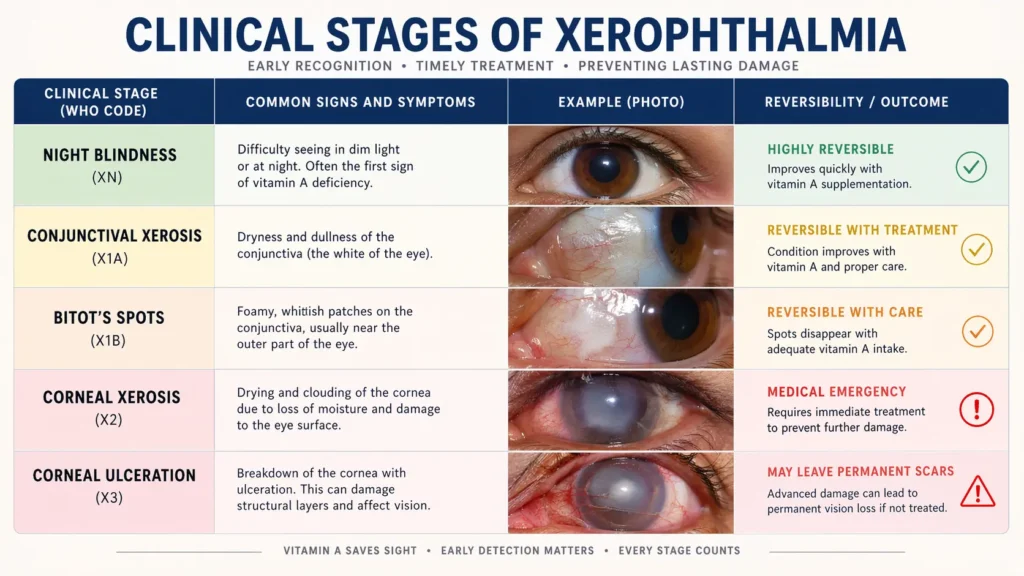
Vitamin A does more than just help you see in the dark. It is also vital for the structural health of your eye’s surface. Your cornea requires a healthy tear film to stay lubricated and safe from damage. Specifically, Vitamin A supports the membranes that produce this moisture. If you lack this nutrient, your eyes can become very dry. This condition is called xerophthalmia. If you don’t treat it, it can lead to permanent vision loss. Additionally, Vitamin A boosts your immune system to prevent ocular infections.

Animal vs. Plant Sources: The RAE Difference
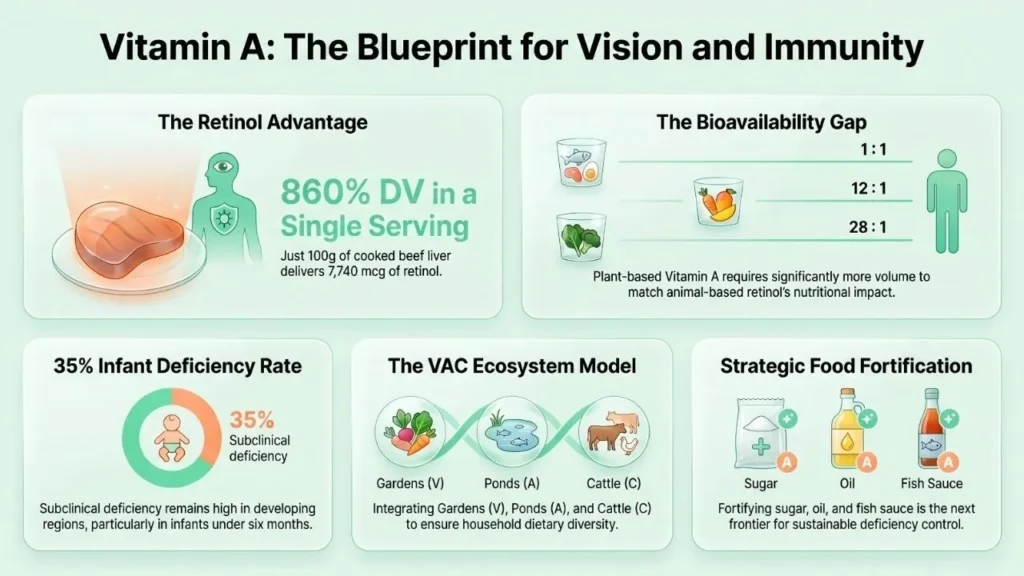
Measuring your intake requires a slightly nuanced approach. Nutritionists use the Retinol Activity Equivalent (RAE) to standardize different food types. Your body absorbs Vitamin A from animal sources more easily than from plant sources. For instance, the conversion of beta-carotene from vegetables is lower than the absorption of pure retinol from meat. This means you need a higher volume of plant foods to get the same benefit as a small serving of liver or eggs.

Understanding Daily Requirements
For the Indian population, understanding these numbers is very important because many follow vegetarian diets. While a small portion of dairy provides retinol, a vegetarian must eat plenty of colorful vegetables to meet their goals. You should aim for a variety of sources to ensure your liver stores enough for times when your diet is limited. Let’s simplify this by looking at the standard daily recommendations for different groups.
| Age and Gender Group | Recommended Daily Allowance (mcg RAE) | Tolerable Upper Intake Level (mcg RAE) |
| Infants (0–12 months) | 400–500 | 600 |
| Children (1–8 years) | 300–400 | 600–900 |
| Adolescent Males (14–18) | 900 | 2,800 |
| Adolescent Females (14–18) | 700 | 2,800 |
| Adult Males (19+ years) | 900 | 3,000 |
| Adult Females (19+ years) | 700 | 3,000 |
| Pregnant People | 770 | 3,000 |
| Lactating Women | 1,300 | 3,000 |
Why Vitamin A Matters in India
Vitamin A deficiency (VAD) remains a major public health challenge in India. It is a leading cause of preventable childhood blindness. Often, poor dietary diversity and economic factors make this problem worse. In many cases, a subclinical deficiency exists. This means you might not see outward signs of damage yet. However, your immune system is already weaker, and your eyes are less sensitive to low light. Dr. Kamal B Kapur, Medical Director at Sharp Sight Eye Hospitals, warns that this can progress to irreversible blindness if you don’t catch it early.
Recognizing the Stages of Eye Damage
You should watch for the early warning signs of deficiency. For example, difficulty seeing at dusk is a primary symptom. If the whites of your eyes look dry or foamy, you must act quickly. While many early stages are reversible with a better diet, severe damage to the cornea is a medical emergency. The table below explains the clinical stages of xerophthalmia to help you stay informed.
The Power of Carrots and Root Vegetables
In Indian kitchens, the carrot is the most famous of all vitamin a rich food sources. One medium carrot provides almost all your daily Vitamin A needs. I know it is hard to find time for complex cooking. Therefore, simply adding grated carrots to your salad is an easy win. For your children, a small bowl of gajar ka halwa prepared with a little ghee is a great way to boost their eye health. Moreover, sweet potatoes are another powerhouse. One baked sweet potato offers over 150% of your daily value.
Leafy Greens: Your Daily Vision Shield
Spinach, or palak, is a staple that offers more than just Vitamin A. It contains lutein and zeaxanthin, which are unique antioxidants for the eye. These compounds filter out harmful blue light from your digital screens. Furthermore, regular consumption of greens protects you from age-related vision decline. I recommend adding finely chopped spinach to your dal or paratha dough. This simple habit ensures your family gets a multifaceted defense against eye diseases.
Moringa: The Miracle Tree in Your Backyard
Moringa, or drumstick leaves, is an underrated superfood in the Indian pantry. Traditional healers have used it for thousands of years. These leaves have a higher density of nutrients than even carrots. Specifically, one cup of fresh moringa leaves provides a significant boost to your Vitamin A and iron levels. If you are a busy professional, you can use moringa powder in your morning smoothie. It is a quick way to improve your visual health without a book lecture on nutrition.
Enjoying Seasonal Yellow and Orange Fruits
The vibrant colors of certain fruits indicate high beta-carotene levels. Mangoes are a seasonal favorite that protects your retina. While people with diabetes must watch their portions, mangoes still provide essential nutrients for the immune system. Similarly, papayas are nutrient-dense and offer digestive enzymes like papain. Additionally, don’t overlook pumpkins. They are high in fiber and beta-carotene, making them perfect for your gut and your eyes.
| Plant Food Source | Portion Size | Vitamin A (mcg RAE) | % Daily Value |
| Baked Sweet Potato | 1 whole | 1,403 | 156% |
| Boiled Spinach | 1/2 cup | 573 | 64% |
| Raw Carrots | 1/2 cup | 459 | 51% |
| Cooked Pumpkin | 1/2 cup | 488 | 54% |
| Raw Mango | 1 medium | 112 | 12% |
Animal-Based Retinol for Fast Absorption
If you eat animal products, you get a more direct form of Vitamin A. Retinol does not require the same enzymatic conversion as plant-based sources. Consequently, your body uses it more efficiently. Beef liver is the richest source, offering over 700% of your daily needs in one serving. However, you should eat liver in moderation to avoid toxicity. For most families, eggs are a much more practical choice. The yolk contains all the Vitamin A and healthy fats your eyes need.

The Role of Dairy and Zinc
Dairy products like milk, cheese, and curd are also important contributors. Many brands fortify milk with extra Vitamin A to replace what is lost during processing. Moreover, dairy contains zinc. This mineral is essential for your body to use Vitamin A. Zinc helps your liver release Vitamin A and transport it to your retina. Therefore, a daily bowl of curd or a glass of milk ensures your eyes actually receive the nutrients you consume.
Oily Fish and Vision Protection
In coastal regions, fish is a vital part of a vision-healthy diet. Oily fish like mackerel (bangda) and sardines contain moderate levels of retinol. These fish also provide Omega-3 fatty acids. These fats are essential for preventing dry eye syndrome. If you don’t eat fish, cod liver oil supplements are a traditional alternative. This combination of nutrients creates a robust defense against the stresses of modern digital life.
| Animal Food Source | Portion Size | Vitamin A (mcg RAE) | Key Benefit |
| Pan-Fried Liver | 3 ounces | 6,582 | Concentrated Retinol |
| Fortified Milk | 1 cup | 149 | Includes Zinc |
| Hard Boiled Egg | 1 large | 75 | Lutein & Zeaxanthin |
| Salmon/Sardines | 3 ounces | 59–219 | Omega-3 Fatty Acids |
Vitamin A and Diabetic Retinopathy
For my friends managing Type 2 diabetes, Vitamin A is even more critical. Diabetic retinopathy (DR) is a serious complication that can cause permanent blindness. Recent studies show that low Vitamin A levels increase the risk and severity of this disease. Vitamin A helps by reducing inflammation and preventing abnormal blood vessel growth in the retina. Specifically, it suppresses certain growth factors that damage your eyes during chronic high blood sugar.

Managing Your Blood Sugar and Eye Health
If your HbA1c levels are above 7.7%, you have a higher risk of deficiency. Moreover, high blood sugar can impair your liver’s ability to release Vitamin A into your blood. However, some research suggests that retinol might help reduce insulin resistance. This means focusing on vitamin a rich food sources is a targeted strategy for your metabolic health. You should prioritize non-starchy vegetables like spinach and carrots to protect your vision without spiking your glucose.
Traditional Indian Wisdom for Your Eyes
Ayurveda has long recognized certain foods as Chakshushya, which means beneficial for the eyes. Amla, or Indian gooseberry, is a prime example. While it is famous for Vitamin C, it also provides antioxidants that protect your retina. Experts like Dimple Jangda recommend drinking amla juice on an empty stomach to support tissue regeneration. Similarly, Triphala and Shatavari are traditional remedies that protect your eyes from oxidative damage.

The Role of Ghee in Nutrient Absorption
Ghee holds a special place in Indian nutrition for its ability to help you absorb vitamins. Since Vitamin A is fat-soluble, you need healthy fats to move it across your intestinal lining. Ayurveda uses ghee to lubricate eye muscles and prevent dryness. Scientifically, a small amount of ghee in your meal significantly improves how much beta-carotene you absorb from vegetables. Adding a simple tadka to your spinach dal is a smart move for your vision.
How to Boost Your Nutrient Absorption
Eating healthy is only half the battle; your body must absorb the nutrients. You should always pair your vegetables with a little fat like oil or nuts. Research shows that adding just 3 to 5 grams of fat can increase carotenoid absorption by several folds. Moreover, light cooking helps too. Heat breaks down plant cell walls in carrots and sweet potatoes, making the Vitamin A more available. I recommend steaming or sautéing rather than eating everything raw.

Lifestyle Hacks for the Busy Professional
I know your schedule is tight, but small changes make a big difference. You can meal prep on weekends by boiling eggs or washing your greens in advance. This makes it easier to eat well during a busy work week. If you have children, grate carrots into their idli or paratha dough. They won’t even notice the taste, but they will get the vision protection they need. Also, remember to stay hydrated to support your eye’s natural moisture.

Common Myths About Eye Health
Let’s simplify the confusion around dietary advice. One common myth is that carrots give you supervision. In reality, they only help you maintain normal vision in the dark. Another myth is that cooking destroys all vitamins. For Vitamin A, light heat actually helps your body absorb more. Finally, don’t believe that you need expensive supplements. A diverse diet of whole foods is usually safer and more effective than high-dose pills.
| Myth | Fact | Scientific Con |
| Carrots cure nearsightedness. | They only support health. | They cannot fix structural lens issues. |
| All fats are bad for you. | Fats are needed for absorption. | Vitamin A is fat-soluble and needs fat to work. |
| Leafy greens have no Vit A. | They are top sources. | Chlorophyll just hides the orange pigment. |
Conclusion: Taking Your First Step
Your journey to better eye health doesn’t require a total life overhaul. You should start by eating the rainbow. Ensure every meal has at least one naturally colorful food. Whether it is the orange of a carrot or the dark green of spinach, your eyes will thank you. Combined with regular eye check-ups and digital screen breaks, these dietary habits create a lasting shield for your vision. For more authority-backed info, you can visit Harvard Health or the National Institutes of Health.

FAQs
1. What are the best vitamin a rich food sources for vegetarians in India?
The top sources are carrots, sweet potatoes, and leafy greens like spinach and moringa. Yellow fruits like mangoes and papayas are also excellent. Remember to eat them with a little ghee or oil to help your body absorb the nutrients.
2. Can Vitamin A prevent complications from diabetes?
Yes, it is very helpful. Vitamin A helps prevent diabetic retinopathy by reducing inflammation and stopping abnormal blood vessel growth in the retina. Maintaining good levels can lower your risk of severe vision loss.
3. Is it possible to take too much Vitamin A?
Yes, you can overdo it with supplements. Since it is fat-soluble, excess Vitamin A stays in your liver and can become toxic. This causes headaches and blurred vision. Stick to whole foods to stay safe.
4. Why should I cook my carrots instead of eating them raw?
Lightly cooking carrots breaks down their tough cell walls. This allows your body to access more of the beta-carotene inside. Pairing them with a healthy fat like ghee increases absorption even more.
5. Are eggs a good source of Vitamin A?
Yes, eggs are a fantastic source of preformed Vitamin A. The yolk contains retinol, which your body uses immediately. Eggs also provide lutein, which protects you from age-related macular degeneration.

Contact Us
We understand how overwhelming nutrition and weight loss information can feel. With so many opinions and confusing advice online, it’s easy to feel stuck or unsure about what to do next.
At Diet Dekho, you never have to figure it out alone. You can contact us anytime with any questions or concerns. Our expert dietitians are available 24/7 to guide, support, and help you stay on track. Whether your goal is weight loss or building healthier habits, we’re here to make the journey simpler and more sustainable for you.
Disclaimer
This blog is intended to help readers make healthier food choices. Your health should always be the top priority. Before starting any restrictive or special diet, especially if you have a medical condition or health concern, please consult a doctor or a qualified dietitian. Each body responds differently to food and lifestyle changes. Always choose what is safe and suitable for you.

Abhinav is the Founder of Diet Dekho, helping people manage weight and lifestyle health through simple, practical nutrition and personalized diet plans.