Meet Sunita, a 42-year-old software engineer in Bangalore. She starts her day at 6:00 AM, juggling school tiffin and client calls, often skipping breakfast only to indulge on biscuits by noon. She wants to lose weight, but the thought of a boiled salad diet makes her miserable. I know it’s hard to find time, but an fat loss diet plan indian doesn’t have to be a chore. In fact, it can be as delicious as your favorite home-cooked meal while melting away that stubborn belly fat.
To follow a fat loss diet plan indian effectively, you should prioritize high-protein, fiber-rich foods like moong dal, millets (ragi, jowar), and green leafy vegetables while limiting refined carbs. Aim for a balanced plate where half consists of non-starchy vegetables, one-quarter is lean protein, and one-quarter is complex carbohydrates. This sustainable approach stabilizes blood sugar and boosts metabolism without requiring a gym.
The Rising Health Crisis in Indian Households
The nutritional landscape in India is currently defined by a significant transition that has led to a dual burden of health crises. While undernutrition remains a concern in specific pockets, the surge in generalized and abdominal obesity has become a primary driver of non-communicable diseases. Consequently, a structured diet is no longer just a cosmetic choice but a medical necessity for a large segment of the population.
Shocking Numerical Trends in National Health
Recent data from the Indian Council of Medical Research (ICMR) and the National Institute of Nutrition (NIN) paints a sobering picture. The ICMR-INDIAB study estimated that as of 2021, the prevalence of generalized obesity and abdominal obesity had reached epidemic proportions. Notably, statistics show that 24% of Indian women are now classified as higher weight persons.
Health & Obesity Statistics
| Demographic Category | Metric | Statistical Value |
|---|---|---|
| Generalized Obesity (BMI ≥ 25 kg/m2) | Total Individuals | 254 Million |
| Abdominal Obesity (WC ≥ 90cm M / ≥ 80cm F) | Total Individuals | 351 Million |
| Disease Burden due to Unhealthy Diet | Percentage of Total | 56.4% |
Why Our Thin-Fat Phenotype Matters
The physiological implications of these numbers are exacerbated by the thin-fat phenotype prevalent among Asian Indians. This profile is characterized by a relatively normal BMI but a high percentage of visceral fat around the organs. Specifically, this means even if you don’t look heavy, your internal health might be at risk. For this reason, focusing on fat loss rather than just weight loss is essential for long-term vitality.
The Impact of the Nutritional Transition
Furthermore, the rapid shift from traditional, fiber-rich diets to those high in refined carbohydrates and simple sugars has fueled this crisis. Analysis indicates that the average Indian household now consumes a significantly higher proportion of calories from processed foods than from fruits. In fact, research suggests that 62% of calories in the typical Indian diet are derived from carbohydrates, primarily refined cereals like white rice and maida. This imbalance is a loaded gun, with genetic predisposition and sedentary behavior acting as the trigger for metabolic dysfunction.
The 2024 ICMR-NIN Guidelines: Your Scientific Foundation
In May 2024, the ICMR-NIN released a revised set of 17 dietary guidelines that represent a paradigm shift in how we approach nutrition. These guidelines move away from merely counting calories and instead emphasize the quality of the food. Specifically, the focus is on its long-term impact on chronic disease prevention.
Core Shifts in Your Daily Recommendations
The 2024 updates highlight a critical need for increased micronutrient density and a reduction in high-fat, sugar, and salt (HFSS) foods. What this means for your daily routine is a dramatic increase in the volume of vegetables you consume.
| Food Group / Nutrient | 2011 Guideline | 2024 Guideline | Strategic Importance |
| Total Vegetables | 300 g/day | 400 g/day | Addresses micronutrient deficiencies |
| Green Leafy Vegetables | 50 g/day | 100 g/day | 100% increase for iron and folate |
| Added Sugar | General restriction | <5% of total calories | Targets diabetes and obesity rates |
| Whole Grains | Preference advised | 50% of cereal intake | Ensures fiber and satiety |
Rebalancing Your Plate for Satiety
The guidelines emphasize that a balanced fat loss diet plan indian must derive no more than 45% of its total calories from cereals and millets. In contrast, at least 15% should come from pulses, beans, and meat. Ultimately, the remainder should be sourced from nuts, vegetables, fruits, and dairy. This structure is designed to counteract the carbohydrate-heavy nature of the contemporary Indian plate.

Macronutrient Optimization for Maximum Fat Burning
For effective fat loss, understanding the mechanism of macronutrients is essential. Let’s simplify this: your body requires a specific balance of proteins, fats, and carbohydrates to maintain muscle mass while oxidizing stored fat.
The Critical Role of Protein in Your Kitchen
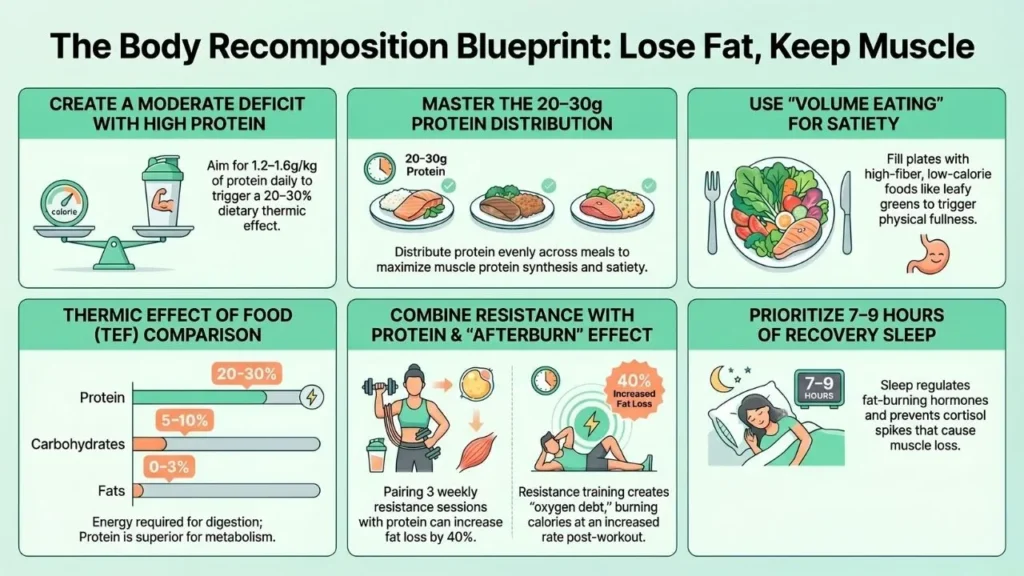
Protein is often the most neglected component of the Indian diet, yet it is the most vital for fat loss. Specifically, protein has a high thermic effect of food (TEF), meaning the body burns more energy to digest it compared to other nutrients. It also promotes satiety by regulating hunger hormones like ghrelin.
| High-Protein Indian Food | Protein Content (approx.) | Additional Metabolic Benefits |
| Soybeans/Soya Chunks | 28g per cooked cup | Complete protein, cholesterol-lowering |
| Paneer (Low-fat) | 18g per 100g | Calcium-rich, high satiety |
| Moong Dal / Lentils | 18g per cooked cup | High fiber, low glycemic index |
| Chicken Breast | 25g-30g per 100g | Lean muscle preservation |
Choosing Lente Carbohydrates Over Refined Grains
In addition, carbohydrate management in a fat loss diet plan indian does not mean a zero-carb approach. Instead, the focus is on lente carbohydrates-those that are absorbed slowly by the body. These include whole grains and legumes that contain viscous fiber, which blunts the post-meal blood glucose response. Consequently, you feel energetic for longer without the dreaded mid-afternoon crash.
Healthy Fats and Hormonal Balance
While fat is calorie-dense, it is essential for absorbing vitamins and maintaining hormonal health. The ICMR 2024 guidelines recommend a shift toward unsaturated fats and the inclusion of Omega-3 rich foods. For example, monounsaturated fats are found in nuts and seeds, while Omega-3s are abundant in flaxseeds (alsi) and walnuts (akhrot).
Diabetes Management Through Smart Eating
The relationship between fat loss and diabetes management is bidirectional. Specifically, excess adipose tissue increases insulin resistance, while high insulin levels can inhibit fat burning. Therefore, your diet must be a low-glycemic index plan.
The Power of the Healthful Plant-Based Diet
Research from the Harvard T.H. Chan School of Public Health suggests that adherence to high-quality plant-based diets can lower the risk of Type 2 diabetes by 23%. This is particularly relevant for India, where 30–40% of the population follows a vegetarian lifestyle. A healthful plant-based diet emphasizes whole grains, fruits, vegetables, nuts, and legumes while minimizing refined grains.
The Visual Plate Method for Success
For individuals managing blood sugar, the Plate Method is a simple visual tool to manage portions without complex math. To begin with:
- Fill Half the Plate with Non-Starchy Vegetables: Spinach, okra (bhindi), or bottle gourd (lauki) are excellent choices.
- Fill One-Quarter with Protein: Lean chicken, fish, paneer, or a thick bowl of dal.
- Fill One-Quarter with Complex Carbs: A small portion of brown rice or a single multigrain roti.
More detailed information on diabetes prevention can be found through resources provided by the National Institutes of Health (NIH) and Harvard

The 7-Day Fat Loss Diet Plan Indian
This 7-day plan is built on a foundation of 1,200–1,500 calories per day, focusing on nutrient density and ease of preparation.
Monday : Activating Your Metabolism
- Breakfast: Two moong dal chillas stuffed with grated carrots and spinach.
- Lunch: A bowl of rajma with half a cup of brown rice and a large salad.
- Evening Snack: A handful of roasted makhana (fox nuts).
- Dinner: Grilled paneer or lean chicken with sautéed broccoli and beans.
Tuesday : The Fiber Boost for Satiety
- Breakfast: Vegetable oats upma. Notably, oats are high in beta-glucan, which helps stabilize blood sugar.
- Lunch: Two multigrain rotis with palak (spinach) dal.
- Evening Snack: One medium apple with 5-6 soaked almonds.
- Dinner: A bowl of vegetable daliya khichdi.
Wednesday: Nutrient Density and Regional Staples
- Breakfast: Ragi (finger millet) dosa or porridge. In fact, ragi is exceptionally high in calcium.
- Lunch: Jowar (sorghum) bhakri with a sprout-based sabzi.
- Evening Snack: A cup of buttermilk (chaas) with roasted cumin.
- Dinner: Tofu or paneer bhurji with clear vegetable soup.
Thursday : The Protein Powerhouse
- Breakfast: Poha with a generous amount of peanuts and green peas.
- Lunch: Chickpea (chole) salad with plenty of raw vegetables.
- Evening Snack: Sprouts chaat with onion and tomato.
- Dinner: Soya chunk curry with steamed beans.
Friday: Anti-Inflammatory Focus
- Breakfast: Besan chilla with ginger and turmeric. Turmeric contains curcumin, which has potent anti-inflammatory effects.
- Lunch: Baked or grilled fish (or tofu) with stir-fried leafy greens.
- Evening Snack: A small bowl of papaya to aid digestion.
- Dinner: Methi (fenugreek) paratha cooked without oil, served with curd.
Saturday : Convenience for the Busy Professional
- Breakfast: Vegetable omelette or paneer bhurji on a single slice of whole wheat toast.
- Lunch: Quinoa pulao with mixed vegetables.
- Evening Snack: Coconut water and a handful of walnuts.
- Dinner: Vegetable millet khichdi.
Sunday : Mindful Conclusion
- Breakfast: Idli with sambar. Similarly, steamed idlis are naturally low in fat.
- Lunch: One multigrain roti with masoor dal and sautéed okra (bhindi).
- Evening Snack: Roasted chana.
- Dinner: Grilled vegetable kebabs with a side of mint chutney.
Regional Adaptations: Traditions as a Tool for Fat Loss
The beauty of a fat loss diet plan indian lies in its regional diversity. Traditional dishes, when slightly modified, can be extremely effective for weight management.
The Farmer’s Meal: Pithla Bhakri
The combination of Pithla (chickpea flour curry) and Bhakri (millet flatbread) is a nutritional powerhouse. Specifically, Pithla is high in protein and iron, especially when cooked in a traditional iron kadai. When paired with Bhakri made from jowar or bajra, it provides a high-fiber, low-GI meal that keeps you full for hours.
South Indian Staples with a Swap
Traditional South Indian breakfasts can be high in glycemic load due to white rice. However, swapping rice for millets or oats in idli and dosa batters significantly improves the nutritional profile. For example, Pesarattu (made from green gram) is naturally higher in protein than rice-based dosas.
Lifestyle Engineering for the Non-Gym Audience
For those who cannot attend a gym, fat loss is achieved through NEAT (Non-Exercise Activity Thermogenesis) and circadian rhythm optimization.
The Power of Incidental Movement
Non-exercise movements can account for a significant portion of daily calorie expenditure. Specifically, researchers link higher levels of NEAT with reduced abdominal fat.
- Daily Habits: Climbing stairs, pacing during phone calls, and stretching during breaks.
- Morning Rituals: Even 20 minutes of brisk walking in the morning can lead to 20% more weight loss than irregular timing.
The Circadian Rhythm and Meal Timing
Moreover, the timing of meals is just as important as the content. Consuming dinner at least three hours before sleep improves fat metabolism and balances insulin. A consistent sleep schedule-ideally between 10:30 PM and 6:30 AM-is essential for managing cortisol, the stress hormone that promotes fat storage.
Meal Prep Hacks for Busy Professionals
The primary reason a diet fails is a lack of time. Fortunately, structured meal prep can reduce decision fatigue and prevent unhealthy takeout orders.
| Prep Category | 15-Minute Action | Long-Term Benefit |
| Proteins | Boil chickpeas or dal in bulk for the week | Ensures high-protein options are ready |
| Vegetables | Wash and chop spinach, carrots, and beans | Reduces daily cooking time and fatigue |
| Grains | Cook a large batch of brown rice or millets | Prevents reaching for refined white rice |
| Snacks | Portion out nuts and makhana into small bags | Prevents mindless overeating of snacks |
Consequently, by prepping components-washing vegetables, cooking grains, or preparing proteins-you save hours during the week.

Conclusion: Your Sustainable Path to Health
Achieving fat loss within the Indian con does not require extreme measures. Instead, it involves a return to foundational principles: variety, portion control, and the intelligent use of local ingredients. By following a structured fat loss diet plan indian, busy professionals and homemakers can reclaim their health and manage their blood sugar effectively.
Consistency, rather than intensity, remains the most powerful tool for sustainable fat loss. Take the first step toward a healthier you by joining our supportive community. For a customized plan that fits your unique lifestyle, visit Form to consult with an expert today.

Frequently Asked Questions
1. How can a busy professional stick to a fat loss diet plan indian?
The key is meal preparation. Specifically, spending just 15 minutes a week chopping vegetables and boiling proteins like chickpeas can save hours during the work week.
2. Is it possible to lose abdominal fat without going to the gym?
Yes. Abdominal fat is highly sensitive to diet and daily movement. By prioritizing a plan that is low in sugar and high in fiber, and by increasing incidental movement, you can effectively target visceral fat.
3. What are the best protein sources for an Indian vegetarian?
Vegetarians should focus on paneer, moong dal, soya chunks, and sprouts. Combining different plant-based proteins, such as lentils with millets, ensures you get all essential amino acids.
4. Can this diet plan help if I have a family history of diabetes?
Absolutely. The focus on low-glycemic index foods and fiber-rich vegetables is specifically designed to stabilize blood sugar levels. Adhering to a healthful plant-based diet has been shown to reduce risk by 23%.
5. How much weight can I realistically lose on this plan?
A safe and sustainable rate is 0.5 to 1 kg per week. Ultimately, a steady approach ensures you are losing fat rather than muscle, making the results last longer.

Contact Us
We understand how overwhelming nutrition and weight loss information can feel. With so many opinions and confusing advice online, it’s easy to feel stuck or unsure about what to do next.
At Diet Dekho, you never have to figure it out alone. You can contact us anytime with any questions or concerns. Our expert dietitians are available 24/7 to guide, support, and help you stay on track. Whether your goal is weight loss or building healthier habits, we’re here to make the journey simpler and more sustainable for you.
Disclaimer
This blog is intended to help readers make healthier food choices. Your health should always be the top priority. Before starting any restrictive or special diet, especially if you have a medical condition or health concern, please consult a doctor or a qualified dietitian. Each body responds differently to food and lifestyle changes. Always choose what is safe and suitable for you.

Abhinav is the Founder of Diet Dekho, helping people manage weight and lifestyle health through simple, practical nutrition and personalized diet plans.