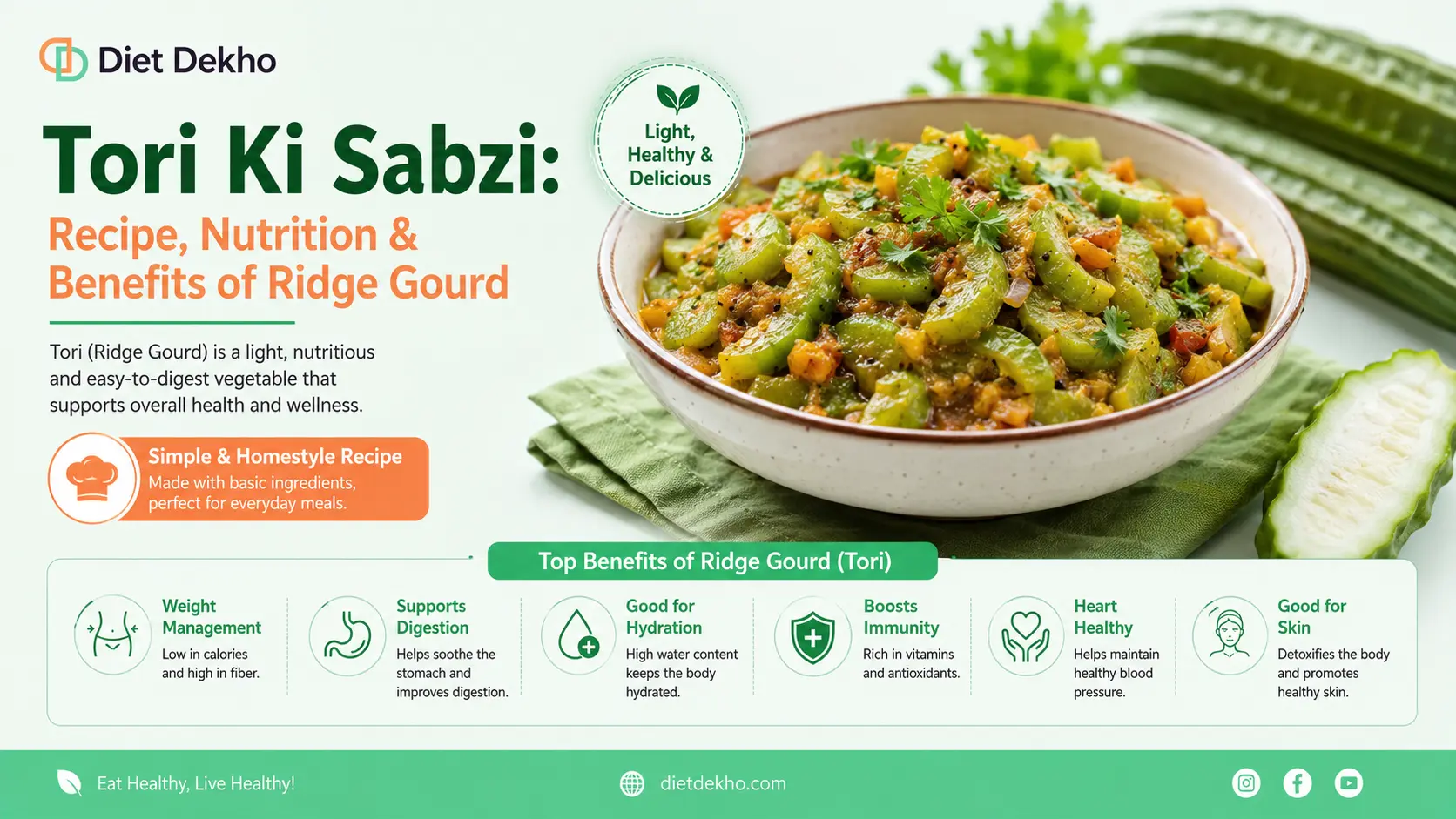
Managing a busy schedule often makes health feel like a secondary priority, especially when trying to balance work and home life. Finding a simple, trustworthy meal that helps stabilize blood sugar without requiring hours in the kitchen is a common challenge. For many, a bowl of tori ki sabzi is the answer, offering a practical way to manage diabetes and weight while fitting into a hectic daily routine. This vegetable is not just a traditional staple but a scientifically backed solution for long-term metabolic health.
Tori ki sabzi is a low-calorie, high-fiber Indian dish made from ridge gourd (Luffa acutangula) that helps regulate blood sugar levels, supports weight loss, and aids digestion. It contains insulin-like peptides and antioxidants like Vitamin C and Vitamin A, making it an ideal, simple, and effective dietary solution for diabetics and busy professionals seeking immediate health benefits.

The Nutritional Foundation of Ridge Gourd
Ridge gourd, frequently referred to as tori, turai, or gilki across various Indian regions, is a nutritional powerhouse that belongs to the Cucurbitaceae family. The analysis of its composition reveals that it is primarily composed of water, which accounts for approximately 92% to 94% of its total weight. This high moisture content is the primary reason the vegetable is considered a cooling food in traditional medicine, helping to maintain hydration and lower body heat during the summer months. The remaining dry matter is dense with dietary fiber, essential vitamins, and a variety of bioactive phytochemicals that provide therapeutic benefits.
The caloric density of the vegetable is remarkably low, providing only about 15 to 20 calories per 100-gram serving. This makes tori ki sabzi an essential component for any calorie-restricted diet intended for weight management or metabolic correction. For individuals who struggle to find time for intensive gym sessions, incorporating such high-volume, low-calorie foods allows for satiety without excess energy intake. The macronutrient profile is characterized by low fat (0.1g to 0.2g) and modest protein levels (0.6g to 1g), ensuring that the metabolic burden on the body remains minimal.

Macro and Micronutrient Distribution in Luffa Acutangula
The nutritional value of ridge gourd is best understood by examining its specific vitamins and minerals. It is particularly rich in Vitamin C, which is crucial for immune system support and collagen synthesis. Furthermore, the presence of beta-carotene, a precursor to Vitamin A, supports ocular health and skin integrity.
| Nutrient Component | Value per 100g (Raw) | Relevance to Daily Routine |
| Energy | 15 – 20 kcal | Ideal for weight management |
| Moisture Content | 90.47% – 94.14% | Sustains hydration levels |
| Dietary Fiber | 1.5g – 2.5g | Improves gut motility |
| Vitamin C | 8.64mg – 14.13mg | Boosts immunity and skin health |
| Iron | 0.4mg – 0.6mg | Helps prevent anemia and fatigue |
| Potassium | 139mg – 806mg | Regulates blood pressure |
| Magnesium | ~18mg – 20mg | Supports muscle and nerve function |
Phytochemical Diversity and Antioxidant Potential
Beyond standard vitamins, ridge gourd contains over 50 isolated phytochemicals, including flavonoids, saponins, and anthraquinones. These compounds are responsible for the vegetable’s ability to reduce oxidative stress and inflammation. Research into various genotypes, such as JRG-05-6, has shown significant levels of ascorbic acid and carotenoids, which help neutralize free radicals in the body. The skin of the ridge gourd is particularly potent, containing higher levels of phenolic acids compared to the inner pulp, which is why minimal peeling is often recommended by nutritionists.
The structural components include seven specific saponins known as Acutosides A to G. These triterpene saponins have been studied for their ability to form complexes with cholesterol, potentially reducing its absorption and supporting heart health. For the home cook, what this means for your daily routine is that the simple act of preparing tori ki sabzi is providing a complex array of biological protectors that shield the cardiovascular and digestive systems.
Diabetes Management and Insulin Regulation
The most critical health application of tori ki sabzi is its role in managing blood glucose levels. India is currently facing a massive diabetes challenge, with the ICMR-INDIAB-17 study estimating that over 101 million people are living with the condition and 136 million are prediabetic. For busy professionals who cannot always monitor every meal, ridge gourd offers a reliable, low-glycemic option that prevents the dangerous sugar spikes associated with high-carb Indian diets.
Insulin-Like Peptides and Glycemic Control
Ridge gourd contains specific peptides and a compound known as charantin, which possess insulin-regulatory properties. These bioactive substances act similarly to insulin, aiding in the reduction of blood and urine sugar levels. By mimicking the hormone responsible for glucose uptake, these compounds help the body utilize sugar more effectively, which is especially important for individuals with insulin resistance.
The 2025 study by Lucknow University scientifically validated the traditional use of ridge gourd for diabetes management. The research demonstrated that ridge gourd extracts significantly lower glucose levels in various experimental models, including fasting and post-meal scenarios. This provides a safe, low-cost, food-based intervention that can help manage the chronic metabolic burden faced by millions of people.
The Role of Dietary Fiber in Glucose Absorption
Fiber is a fundamental tool for anyone managing Type 2 diabetes. Ridge gourd is rich in both soluble and insoluble fiber. Soluble fiber dissolves in water to form a gel-like substance in the gut, which slows down the digestion of carbohydrates and the subsequent absorption of glucose.
- Slowing Gastric Emptying: By delaying the time it takes for food to leave the stomach, fiber ensures a more gradual release of sugar into the bloodstream.
- Improving Insulin Sensitivity: Regular intake of high-fiber vegetables is linked to better long-term glycemic control and improved insulin effectiveness.
- Low Glycemic Load: Because ridge gourd has very few carbohydrates to begin with, its impact on blood sugar is minimal, making it a safe choice for any time of the day.
For a person with diabetes, replacing a portion of rice or wheat with a hearty serving of tori ki sabzi can significantly reduce the overall glycemic load of the meal. This simple substitution is a practical step that busy individuals can start following today to protect their health.

Digestive Health and Natural Detoxification
Digestive comfort is often the first thing to suffer when stress levels are high and time is limited. Tori ki sabzi is a gentle yet effective remedy for various gastrointestinal issues. Its high fiber content, particularly roughage, acts as a natural laxative. This adds bulk to the stool and helps it pass through the digestive tract more easily, preventing constipation and bloating.
Gut Microbiome and Prebiotic Effects
The fiber in ridge gourd does more than just move things along; it also acts as a prebiotic. Prebiotics serve as food for the beneficial bacteria in your gut microbiome. A healthy gut microbiome is essential for nutrient absorption, immune function, and even mental health. By nourishing these good bacteria, ridge gourd helps maintain a balanced internal environment, which reduces the risk of digestive disorders like irritable bowel syndrome (IBS).
Liver and Kidney Support
Traditional Indian medicine has long used ridge gourd as a natural detoxifier for the liver and kidneys. It is known to help purify the blood and remove harmful toxins from the body. In cases of jaundice or liver congestion, ridge gourd juice or cooked sabzi is often recommended to support recovery.
- Hepatoprotection: Antioxidants in the vegetable protect liver cells from oxidative damage and help lower elevated liver enzymes.
- Diuretic Action: Ridge gourd encourages the production of urine, which helps the kidneys flush out excess sodium, uric acid, and other waste products.
- Preventing Stones: Regular consumption may assist in reducing the risk of kidney stone formation by ensuring proper hydration and waste excretion.
I know it’s hard to prioritize these functions when you’re busy, but choosing tori ki sabzi for dinner is an easy way to give your liver and kidneys the support they need to keep you feeling energized throughout the week.
Weight Management and Appetite Control
Weight loss is a common goal for many, but the traditional approach of eating less often leads to hunger and frustration. Ridge gourd offers a different strategy: eating smart. Because of its high water and fiber content, you can consume a large portion of tori ki sabzi without taking in many calories.
The Science of Satiety
The dietary fiber in ridge gourd increases the feeling of fullness and satiety. It takes longer for the body to process fiber, which means you stay satisfied for a longer period after your meal. This naturally reduces the urge to snack on unhealthy, calorie-dense foods between meals. Furthermore, some studies suggest that the compounds in ridge gourd may prevent the accumulation of fat in the body tissues, directly supporting weight loss efforts.
Comparison with Other Gourds
While both ridge gourd and bottle gourd (Lauki) are great for weight loss, ridge gourd provides slightly more dietary fiber and essential minerals like iron. This makes it particularly useful for busy professionals who need to maintain their energy levels while reducing their calorie intake.
| Vegetable | Calories (per 100g) | Water Content | Key Advantage |
| Ridge Gourd (Tori) | 15 – 20 kcal | ~94% | High fiber and iron |
| Bottle Gourd (Lauki) | 14 – 16 kcal | ~96% | Maximum hydration |
| Bitter Gourd (Karela) | 21 kcal | ~90% | Strongest glucose control |

Dermatological Benefits and Skin Hydration
Your skin is a reflection of your internal health. The high water content and antioxidant profile of ridge gourd make it a natural skincare solution. Regular consumption helps keep the skin hydrated from within, which is far more effective than just applying topical moisturizers.
Collagen and Anti-Aging
Vitamin C is essential for the synthesis of collagen, the protein that gives skin its elasticity and structure. As we age, collagen production naturally decreases, leading to wrinkles and sagging. The Vitamin C in tori ki sabzi helps support the body’s natural collagen production, maintaining a youthful glow. Additionally, the presence of Vitamin E and various flavonoids protects skin cells from the damage caused by free radicals and environmental pollution.
Managing Acne and Rashes
In Ayurveda, ridge gourd is used to balance Pitta dosha, which is often responsible for inflammatory skin conditions like acne, eczema, and rashes. Its cooling nature and blood-purifying properties help reduce skin irritation and promote a clear complexion. For those who suffer from periodic breakouts due to heat or stress, including this vegetable in the diet can provide noticeable relief.

Traditional Ayurvedic Wisdom and Dosha Balance
In the world of Ayurveda, ridge gourd is known as Koshataki or Jaalini. It is highly valued for its ability to balance all three doshas: Vata, Pitta, and Kapha. Understanding these properties allows us to use tori ki sabzi as a form of food as medicine.
- Pitta Balance: Its cooling energy (Hima) is perfect for reducing excess heat, acidity, and inflammation in the body.
- Kapha Balance: Its light (Laghu) and diuretic properties help reduce water retention and excess mucus, which are common Kapha issues.
- Vata Balance: While it is light, its slightly unctuous (Snigdha) nature, when cooked with a small amount of oil, helps soothe the dryness and irregularity often associated with Vata imbalances.
Ayurvedic manuscripts also mention the use of the dried fibrous skeleton of the mature gourd as a tool for skin exfoliation, improving microcirculation when used as a body sponge. This holistic use of the plant demonstrates its deep-rooted value in both internal and external health care.

Culinary Science: Preparing the Perfect Tori Ki Sabzi
Many people avoid tori ki sabzi because they find it bland or struggle with its texture. However, with the right techniques, this vegetable can be transformed into a delicious and satisfying meal. The key is to select tender gourds and cook them in a way that preserves their natural sweetness and nutrients.
Selecting and Peeling Tips
When shopping, look for ridge gourds that are firm and bright green. Avoid those that feel spongy or have thick, dark ridges, as they are likely overripe and will be unpleasantly fibrous.
- Minimal Peeling: Do not peel the vegetable excessively. Use a sharp peeler or knife to lightly scrape off only the sharp, fibrous ridges. The rest of the green skin is edible and contains the majority of the vegetable’s fiber and antioxidants.
- Bitterness Test: Always taste a small piece from the stem end before cooking. If it tastes bitter, it contains high levels of cucurbitacins, which can cause digestive upset. To reduce bitterness, you can rub the sliced pieces with salt, let them sit for 20 minutes, and then rinse them under running water.
Healthy Cooking Techniques
For busy professionals, time is of the essence. Fortunately, tori ki sabzi cooks very quickly, usually within 10 to 15 minutes.
- Low Oil Sautéing: Use minimal oil (mustard or olive oil is best) to keep the dish light.
- No Added Water: Ridge gourd is inherently watery. Covering the pan with a lid allows the vegetable to cook in its own juices, which preserves the water-soluble vitamins.
- Spicing: Use simple Indian spices like cumin seeds, turmeric, and coriander powder. Adding fresh ginger and garlic not only enhances the flavor but also provides additional anti-inflammatory benefits.
DietDekho Special: Methi Turai Ki Sabzi Recipe
This variation combines the benefits of ridge gourd with fenugreek leaves (Methi), which are also excellent for managing blood sugar.
Ingredients:
- 500g Ridge Gourd (Turai), lightly scraped and cubed
- 2 cups Fresh Fenugreek leaves (Methi), chopped
- 1 tbsp Oil (Mustard oil preferred)
- 1 tsp Cumin seeds
- 1 medium Onion, sliced
- 1/2 tsp Turmeric, 1 tsp Coriander powder
- Salt to taste
Instructions:
- Heat oil in a pan and add cumin seeds. Let them crackle.
- Sauté the onions until soft and translucent.
- Add the turmeric and coriander powder, followed by the cubed ridge gourd.
- Cover and cook on medium heat for 5 minutes. The gourd will release its moisture.
- Add the chopped methi leaves and salt. Cook uncovered for another 3-4 minutes until the water evaporates and the sabzi is dry.
- Serve hot with whole wheat roti or millets.
Practical Solutions for Busy Professionals and Homemakers
I know it’s hard to find time to cook from scratch every day, but tori ki sabzi is one of the most meal-prep friendly dishes in Indian cuisine. What this means for your daily routine is that you can spend just 20 minutes on a Sunday evening and have a healthy lunch or dinner ready for the next two days.
- Pre-cutting: You can wash, scrape, and chop the ridge gourd in advance and store it in an airtight container for up to 3 days.
- One-Pot Variation: If you’re short on time, try cooking ridge gourd with yellow moong dal in a pressure cooker. It creates a filling, high-protein meal that requires very little active cooking time.
- Chutney from Peels: If you do peel the gourd, don’t throw the skins away! Sauté them with some green chilies and coconut to make a quick, nutrient-dense chutney that goes perfectly with any meal.
Let’s simplify this: health isn’t about making massive changes all at once. It’s about making the right choices when you’re standing in the grocery aisle or deciding what to cook for dinner. Choosing tori ki sabzi is a practical step that fits into your existing lifestyle.

Common Mistakes to Avoid
Even with the best intentions, certain cooking habits can reduce the health benefits of this vegetable.
- Overcooking: Do not cook the vegetable until it becomes mushy. Overcooking can destroy heat-sensitive vitamins like Vitamin C.
- Excessive Peeling: Removing all the skin deprives you of the fiber and specific antioxidants concentrated in the outer layer.
- Heavy Masalas: Using too much oil or heavy cream-based gravies defeats the purpose of a light, metabolic-friendly meal. Keep it simple and let the natural flavors of the vegetable shine.
- Skipping the Bitterness Test: Cooking a bitter gourd can ruin the entire dish and cause stomach pain. Always taste a piece before you start.
Addressing Specific Health Concerns
While ridge gourd is generally safe for everyone, there are a few things to keep in mind.
- Hypoglycemia: If you are already on strong medication for low blood sugar, monitor your intake, as ridge gourd can further lower glucose levels.
- Kidney Stones: While it helps flush the kidneys, some varieties of gourds contain oxalates. If you have a history of calcium oxalate stones, consult with your dietitian about the appropriate portion size.
- Allergic Reactions: Though rare, some people may experience a mild rash from the sap of the raw vegetable. Washing the gourd thoroughly before peeling usually prevents this.

Conclusion: A Step Toward Balanced Health
Tori ki sabzi is more than just a humble side dish; it is a foundational element of a health-conscious Indian diet. For the busy professional, the homemaker, and anyone navigating the challenges of diabetes, this vegetable provides a trustworthy, research-backed solution for blood sugar control, weight management, and digestive wellness.
By understanding the nutritional science behind ridge gourd and adopting simple, healthy cooking methods, you can take control of your metabolic health without feeling overwhelmed. Remember, your journey to better health doesn’t have to be complicated. It starts with the simple, home-based solutions that have been trusted for generations.
If you’re looking for more immediate, simple, and trustworthy dietary solutions tailored to your specific situation, we’re here to help. You don’t have to navigate this alone.
To receive a personalized diet plan and start your path to a healthier you, please visit: https://dietdekho.com/form/
Frequently Asked Questions (FAQs)
How does tori ki sabzi help in managing diabetes?
Tori ki sabzi contains insulin-like peptides and charantin that help lower blood sugar levels naturally. Additionally, its high fiber content slows down the absorption of sugar from other foods, preventing post-meal spikes.
Can I eat tori ki sabzi daily for weight loss?
Yes, ridge gourd is extremely low in calories (15-20 kcal per 100g) and high in water, making it a perfect daily food for weight loss. The fiber helps you feel full longer, which reduces overall calorie intake.
Is ridge gourd good for skin and hair health?
Absolutely. It is rich in Vitamin C, which supports collagen production for elastic, youthful skin, and antioxidants that protect hair follicles. Its hydrating properties also keep the skin moisturized from within.
What is the best way to cook ridge gourd to retain its nutrients?
The best way is to lightly scrape the ridges rather than peeling it completely and sauté it with minimal oil. Cover the pan while cooking so the vegetable simmers in its own moisture, preserving its vitamins and minerals.
How can I remove the bitterness from the ridge gourd before making tori ki sabzi?
If a ridge gourd is bitter, rub the sliced pieces with salt and let them sit for 20 minutes. Squeeze out the excess juice and rinse thoroughly under running water before cooking to remove the bitter compounds.
Contact Us
We understand how overwhelming nutrition and weight loss information can feel. With so many opinions and confusing advice online, it’s easy to feel stuck or unsure about what to do next.
At Diet Dekho, you never have to figure it out alone. You can contact us anytime with any questions or concerns. Our expert dietitians are available 24/7 to guide, support, and help you stay on track. Whether your goal is weight loss or building healthier habits, we’re here to make the journey simpler and more sustainable for you.
Disclaimer
This blog is intended to help readers make healthier food choices. Your health should always be the top priority. Before starting any restrictive or special diet, especially if you have a medical condition or health concern, please consult a doctor or a qualified dietitian. Each body responds differently to food and lifestyle changes. Always choose what is safe and suitable for you.

Abhinav is the Founder of Diet Dekho, helping people manage weight and lifestyle health through simple, practical nutrition and personalized diet plans.